Megapixels Matter In IP Video Cameras
Yes, megapixels matter in IP video cameras. But they’re only one piece of the performance equation. The right megapixel count improves clarity and digital zoom capability, but too much resolution without the proper infrastructure can create storage, bandwidth, and performance issues.
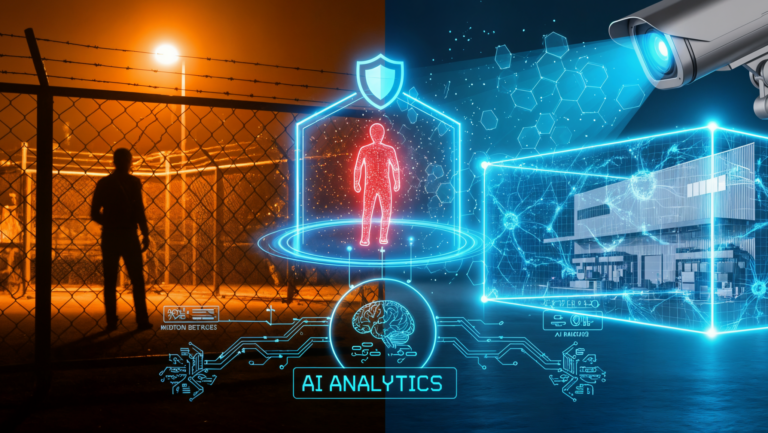
At Vulcan Security Systems, we design AI-powered IP video systems for industrial and commercial clients who cannot afford blind spots, downtime, or unreliable footage.
In this article, we’ll break down what megapixels actually mean, how they impact your surveillance system, and how to choose the right resolution for your environment.
What Does “Megapixel” Mean in IP Cameras?
A megapixel equals one million pixels. Pixels are the tiny dots that form a digital image.
For reference:
- 1080p HD = just over 2 megapixels
- 4MP = roughly double 1080p
- 8MP = 4K resolution
If you’ve ever switched from an old analog feed to HD, you immediately noticed the difference. The jump from 2MP to 6MP or 8MP can be just as significant, especially in commercial security environments where details matter.
Today, most professional IP systems operate in the 2MP–8MP range, with 6MP often being a strong balance point for industrial facilities.
Why Do Megapixels Matter in Real-World Surveillance?
The biggest reason megapixels matter is digital zoom capability.
When reviewing footage after an incident, you often need to:
- Zoom in on a face
- Read a license plate
- Identify a badge
- Verify a safety violation
The more megapixels your camera captures, the more usable detail remains when you zoom in digitally.
Think of it like zooming into a smartphone photo:
- Low resolution = blurry and pixelated when enlarged
- Higher resolution = retains clarity longer
For facilities relying on video to replace physical guards, this detail isn’t a luxury, it’s operationally critical.
How Many Megapixels Do You Actually Need?
Here’s where many buyers get it wrong.
More megapixels are not automatically better. The right answer depends on:
- Field of view (wide warehouse vs. tight entry point)
- Mounting height
- Lighting conditions
- Intended use (overview vs. forensic identification)
- AI analytics requirements
Typical Commercial Use Cases
| Use Case | Recommended Resolution |
|---|---|
| General overview (hallways, perimeters) | 2MP–4MP |
| Parking lots, loading docks | 4MP–6MP |
| Wide warehouse interiors | 6MP |
| Identification-focused views | 6MP–8MP |
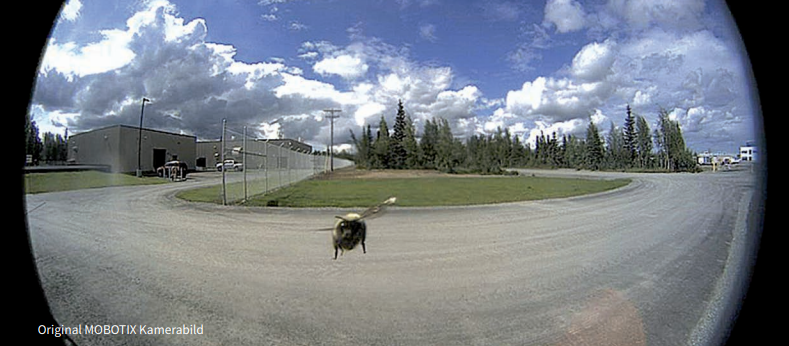
At Vulcan, we frequently deploy 6MP German-engineered Mobotix cameras because they provide exceptional clarity with long-term reliability (often 10-year lifespan vs. 5-year industry average).
What Are the Tradeoffs of Higher Resolution Cameras?
Higher megapixels come with real-world tradeoffs. This is where system design matters.
1. Frames Per Second (FPS)
As resolution increases, frame rate may decrease if hardware isn’t properly sized. You need both:
- Clear images
- Smooth motion capture
2. Storage Requirements
Higher resolution = larger file sizes. That means:
- More hard drive space
- More long-term retention planning
- Higher infrastructure cost if not engineered properly
3. Network Load
Each camera consumes bandwidth. Multiply that across dozens of cameras in a manufacturing facility, and your network can become congested quickly.
This is why wireless systems are rarely ideal for industrial environments. Hardwired infrastructure ensures reliability and performance.
Are More Megapixels Always Better?
No. Too much resolution can:
- Overwhelm storage systems
- Strain networks
- Reduce frame rates
- Increase costs without improving usable outcomes
We’ve seen facilities install 12MP cameras everywhere, only to discover they didn’t need that level of detail in 80% of their views.
Smart system design is about matching resolution to purpose, not chasing spec sheets.
What Other Factors Matter More Than Megapixels?
Here’s the part most security vendors skip. Megapixels are only one variable. Image quality also depends on:
Lens Quality
A poor lens on an 8MP camera can perform worse than a high-quality lens on a 4MP camera.
Image Sensor Size
Larger sensors perform better in low light, critical for 24/7 monitoring.
Dynamic Range (WDR)
Important for scenes with bright sunlight and dark shadows.
AI Processing Capability
Higher resolution improves analytics performance, but only if the AI engine can properly process the data.
System Architecture
Recording servers, compression (H.265), retention strategy, and remote monitoring all impact performance.
At Vulcan, we engineer the full ecosystem, not just sell cameras.
How AI Changes the Megapixel Conversation
In 2016, megapixels were mostly about clarity.
In 2026, they also support:
- AI-powered intrusion detection
- Safety monitoring
- Perimeter protection
- Operational analytics
Higher resolution improves detection accuracy, but only when paired with properly calibrated AI models and professional monitoring.
This is why we emphasize complete system design, not just hardware specs.
How Should You Choose?
Resolution
Choose the highest resolution your:
- Budget supports
- Network can handle
- Storage plan accommodates
But don’t overbuild.
Design Strategy
- Define the problem first (theft, safety, liability, guard replacement).
- Determine identification requirements.
- Engineer camera placement and lens selection.
- Match megapixels to real-world need.
- Ensure infrastructure can support the load.
The Right Megapixel Strategy for Commercial Security
Megapixels absolutely matter, but they are not the only factor that determines image quality or system effectiveness.
Higher resolution improves clarity and digital zoom capability, but it increases storage demands, bandwidth consumption, and overall system requirements. Simply buying the highest megapixel camera available does not guarantee better security. Proper design does.
If you are upgrading your system or replacing physical security guards with AI-powered surveillance, resolution should be engineered around your actual risks, environment, and operational goals.
At Vulcan Security Systems, we design IP video systems that are always on, always supported, and built around your operational reality, not marketing hype.
If you would like a practical recommendation based on your facility layout and security objectives, request a consultation. We will tell you exactly what you need. And if you do not need it, we will tell you that too.