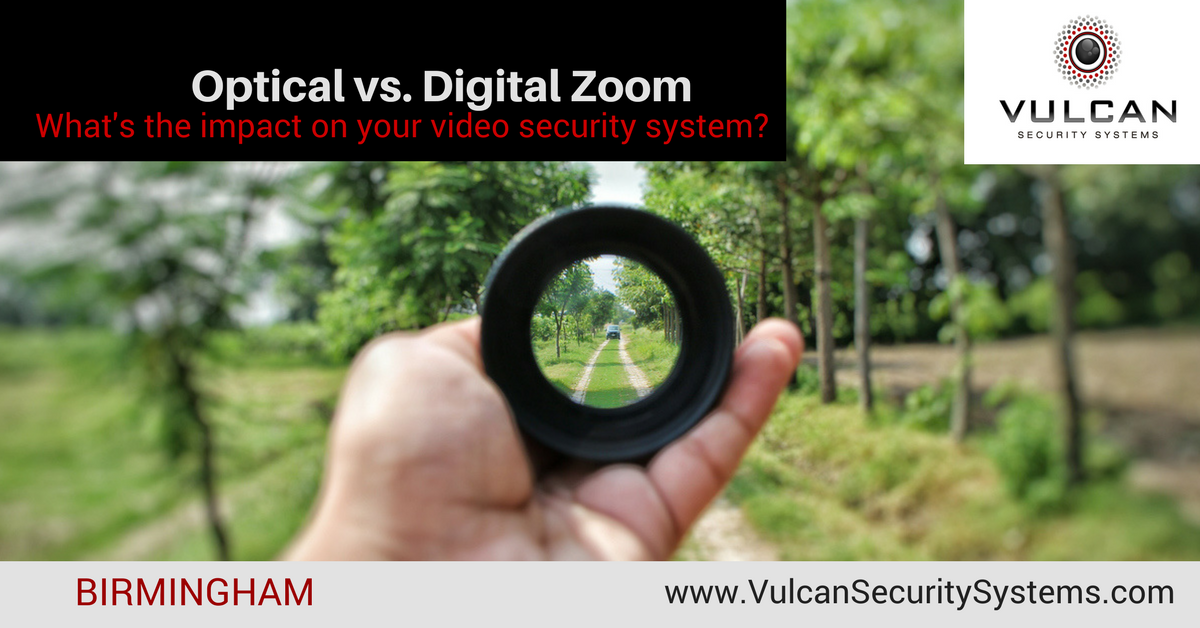
Digital vs Optical Zoom for Security Cameras
Optical zoom produces true magnification and detail clarity, while digital zoom crops into an image but loses resolution. For most businesses, the right answer isn’t either/or it’s a smart combination of both, placed strategically to balance coverage and detail.
If you’ve ever tried to zoom in on grainy footage only to find it useless, you know how frustrating the wrong choice of camera can be. The difference between usable evidence and a blurry outline often comes down to whether your system relies on optical or digital zoom.
At Vulcan Security Systems, we focus solely on IP video and AI-powered monitoring. That means we’ve seen firsthand how zoom capabilities can make or break a system design. We’ll also be transparent about where each type of zoom falls short, because our goal is to guide you toward the right solution, not oversell features.
In this guide, we’ll explain how optical and digital zoom work, the strengths and tradeoffs of each, and how to design a balanced system that delivers both detail and coverage.
What Is Optical Zoom?
Optical zoom uses the camera’s lens to change the focal length, physically adjusting the distance between the lens and the image sensor. As the lens moves, it magnifies the subject in real time without losing image clarity.
Think of it like using binoculars: the closer you zoom, the more detail you capture. Optical zoom is the gold standard for high-quality close-ups because it preserves resolution, contrast, and detail.
What Is Digital Zoom?
Digital zoom works differently. Instead of using the lens, it crops into the image from the camera sensor and enlarges it digitally. This gives the appearance of magnification but reduces clarity as pixels are stretched.
Think of digital zoom like cropping and enlarging a photo on your phone, it looks closer, but the details get fuzzy.
Optical vs Digital Zoom: Side-by-Side Comparison
| Feature | Optical Zoom | Digital Zoom |
|---|---|---|
| How it works | Lens physically adjusts focal length | Crops and enlarges image digitally |
| Image quality | High clarity, no loss of detail | Quality decreases as zoom increases |
| Field of view | Narrows as you zoom in | Full field of view remains |
| Recorded footage | Cannot apply retroactively | Can zoom after recording |
| Best use case | Identifying faces, plates, IDs | Reviewing wide coverage areas |
Why the Difference Matters for Security
For security applications, detail matters. The ability to distinguish between a blurry outline and a clear face or license plate can mean the difference between resolving an incident and being left with unusable evidence.
Example: Retail Point-of-Sale
A fraud attempt occurs at checkout. With only digital zoom, footage may blur when trying to read the suspect’s credit card or ID. With optical zoom, the detail is sharp enough to capture identifying information.
Example: Industrial Yard
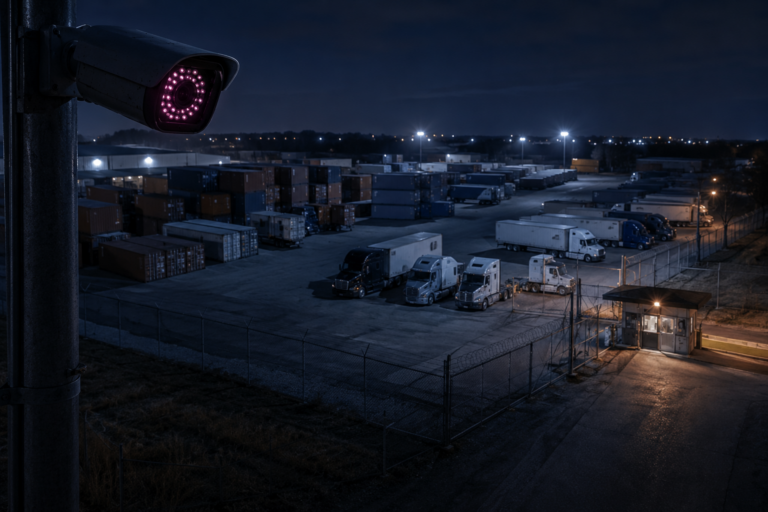
A suspicious vehicle enters a large fenced yard. Digital zoom provides general coverage of the entire yard, but only optical zoom allows you to clearly identify the license plate and vehicle details.
Practical Examples in Business Settings
- Shopping Centers: Use optical zoom on entry/exit points to capture faces clearly while digital zoom cameras cover parking lots.
- Industrial Facilities: Position optical zoom cameras at choke points (like gates) to capture license plates, while digital zoom cameras monitor broader operations.
- Office Buildings: Digital zoom can provide full lobby coverage, while optical zoom focuses on key areas like reception desks for ID verification.
Which Is Better: Optical or Digital Zoom?
The short answer: neither is inherently better, it depends on the goal.
- Optical Zoom = Best for detail. You’ll need it anywhere small identifiers (faces, IDs, plates) must be captured clearly.
- Digital Zoom = Best for coverage. It maintains awareness of large areas but sacrifices fine detail.
The tradeoff: Optical zoom narrows the field of view as it magnifies. Without other cameras covering the area, zooming in optically may leave blind spots.
Why a Hybrid Approach Works Best
The strongest security systems don’t rely on just one zoom type. Instead, they combine both:
- Optical zoom cameras for areas where detail is critical.
- Digital zoom cameras for wide coverage and recorded review.
This layered approach ensures businesses don’t have to choose between detail and coverage, you get both.
At Vulcan, we often design systems with overlapping coverage: wide digital zoom for overall surveillance, plus strategically placed optical zoom cameras for investigative detail.
Let’s Design a System for Your Business
Optical and digital zoom aren’t competitors, they’re complementary tools. Optical zoom ensures you can capture the critical details when they matter most, while digital zoom provides broad coverage and flexibility during review. The strongest security systems are designed with both in mind, eliminating blind spots and delivering reliable, usable footage.
At Vulcan Security Systems, our mission is to guide you toward the right solution for your facility, balancing coverage, detail, and long-term reliability. With our expertise in IP video and AI-powered monitoring, we’ll help you build a system that works seamlessly today and scales with your business tomorrow.
Next Step: Ready to design a smarter system with the right mix of optical and digital zoom cameras? Request a consultation with Vulcan Security Systems.
FAQ: Common Questions About Zoom in Security Cameras
Can I zoom in on recorded footage with optical zoom?
No. Optical zoom only works during live viewing. For recorded footage, you’ll use digital zoom.
Are cameras with both optical and digital zoom available?
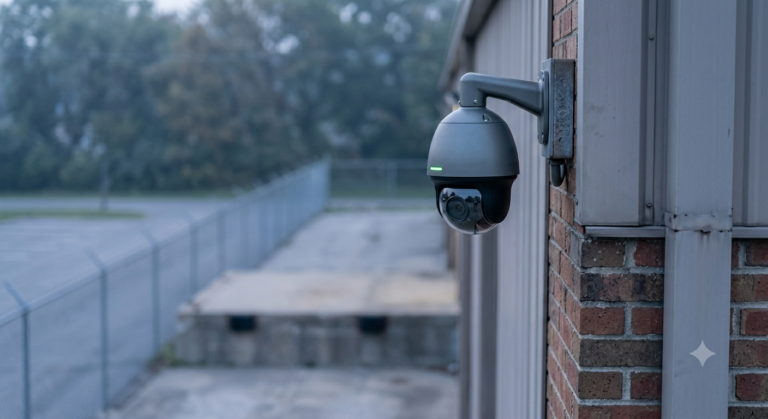
Yes. Many PTZ (pan-tilt-zoom) cameras combine both, allowing operators to zoom in optically live and digitally afterward.
Does higher resolution make digital zoom more effective?
Yes, to a point. A 6MP camera will hold up better under digital zoom than a 2MP camera, but clarity still decreases as you zoom further.
How do I know where to use optical vs. digital zoom in my facility?
It depends on your risks and priorities. Entry points, cash handling areas, and parking lots often require optical zoom. General monitoring areas work well with digital zoom.
References:
For more on the difference between optical and digital zoom, including the impact of focal length of lens: https://www.lifewire.com/understand-camera-zoom-lenses-493015