How to Define the Scope of Your Premises Security System
Defining the scope of your project is the crucial first step toward purchasing or upgrading a premises security system that actually protects your business and reduces risk.
At first glance, scoping may seem straightforward, but once you dive into the technology options, you’ll quickly find more questions than answers. That’s where having a framework is essential.
At Vulcan Security Systems, we’ve guided countless industrial and commercial clients through this process.
In this article, we’ll walk you step by step through how to define the scope of your security system—so you can make informed decisions, avoid costly mistakes, and design a system that meets today’s needs and scales for tomorrow.
Step 1: What Do You Want From Your Security System?
Before you even think about cameras or software, start by asking: what do I want my security system to accomplish?
Depending on your operation, your system may need to:
- Reduce insurance claims and liability for injury (legitimate or fraudulent).
- Prevent property loss from theft, trespassing, or vandalism.
- Enable workplace monitoring for safety and efficiency.
- Support remote site monitoring and rapid response.
- Improve inventory control and reduce shrinkage.
- Help manage workplace violence risks or emergency preparedness.
- Faster emergency response time.
Clarity here sets the stage for everything that follows.
Step 2: Define a Realistic Investment Range
The reality is that security systems are not one-size-fits-all. The right solution depends on your risks, site layout, and operational needs.
While Vulcan doesn’t publish pricing online, what’s important at this stage is recognizing that:
- A professional-grade video surveillance system is an investment, not a commodity.
- High-quality systems reduce long-term costs by minimizing downtime, liability, and recurring failures.
- Cheap or DIY systems often lead to gaps in coverage, false confidence, and costly replacements down the line.
Instead of fixating on upfront cost, frame this as a risk management decision—balancing protection, liability, and ROI.
Step 3: Identify Relevant Personnel
Scoping a system isn’t a solo project. The right people need to weigh in:
- Facilities Management – for building layout and infrastructure.
- IT – for networking, storage, and cybersecurity considerations.
- Operations – to align with workflow and efficiency.
- Safety & HR – to ensure compliance, training, and incident response.
- Maintenance – if separate from facilities, to plan for upkeep.
Bringing these perspectives in early prevents blind spots and ensures the system fits your operations.
Step 4: Conduct a Detailed Site Audit
A physical site walk-through is one of the most important steps. This identifies blind spots, lighting challenges, and other practical realities that floorplans won’t reveal.
Exterior Audit:
- How many points of ingress/egress exist?
- How do customers, employees, and vendors access the facility?
- Is outdoor storage or equipment exposed to theft or vandalism risks?
- What’s the visibility like after dark?
Interior Audit:
- Which spaces require restricted access (labs, data centers, high-value storage)?
- Are there safety-sensitive zones where only trained personnel should enter?
- How does lighting impact camera performance—are infrared cameras needed?
Infrastructure Considerations:
- Where are power and network connections available?
- How will aesthetics matter in customer-facing areas?
A thorough audit ensures the system matches real-world conditions—not assumptions.
Step 5: Identify the Right Security Technology
With your goals, budget framework, and site realities defined, you can now outline the technologies that will deliver results.
Access Control Technology
Access control is an important part of modern security. While Vulcan doesn’t directly provide access control systems, we frequently advise clients and connect them with trusted partners who do. Options range from basic keypads and fobs to advanced biometrics and panic-button integrations.
Intrusion Detection Systems
These include motion sensors, glass-break detection, and environmental sensors (for water, chemicals, or smoke). They are most effective when integrated with video systems for verification and response.
Video Surveillance Systems
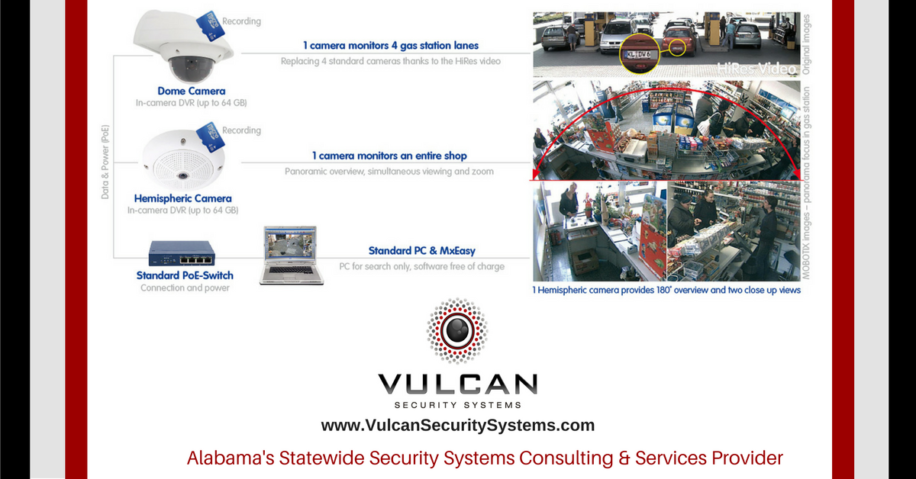
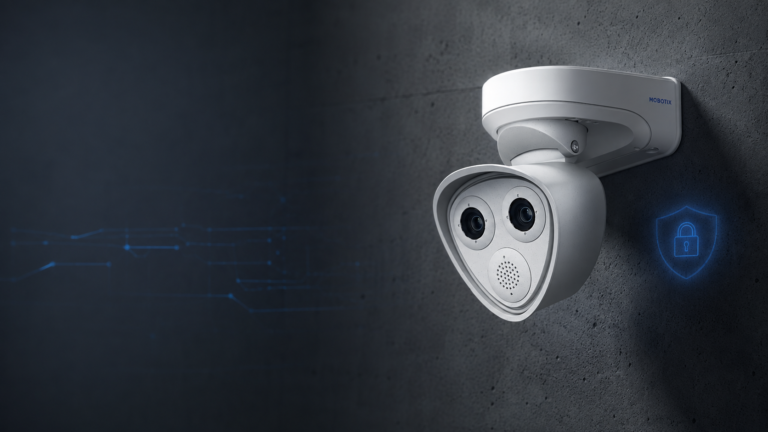
Video surveillance is the backbone of most industrial and commercial security systems—and where Vulcan specializes.
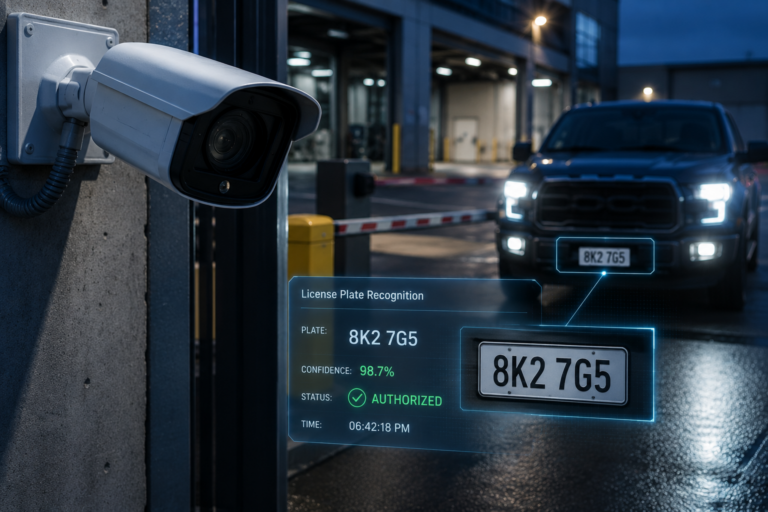
Today’s industry standard is 4K (Ultra HD) video or better. Anything less risks missing critical details like license plates or facial recognition.
Modern IP-based cameras also offer:
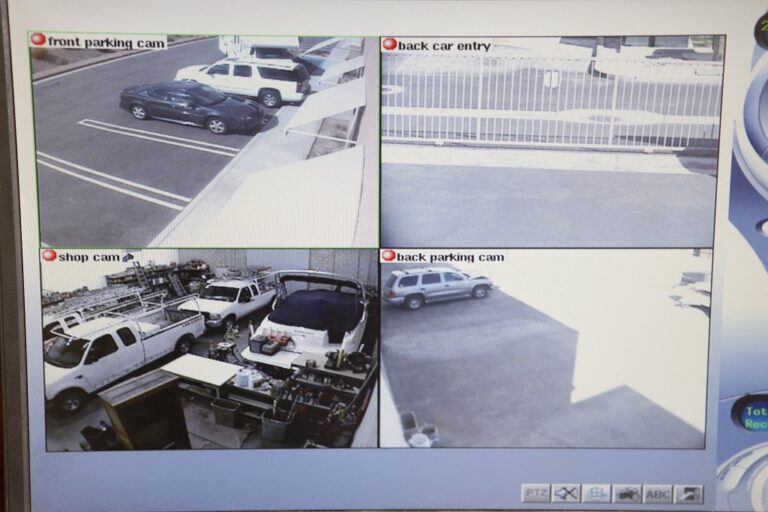
- Remote access and real-time monitoring.
- Integration with AI analytics (heat mapping, people counting, facial recognition).
- Multi-sensor and thermal options for challenging environments.
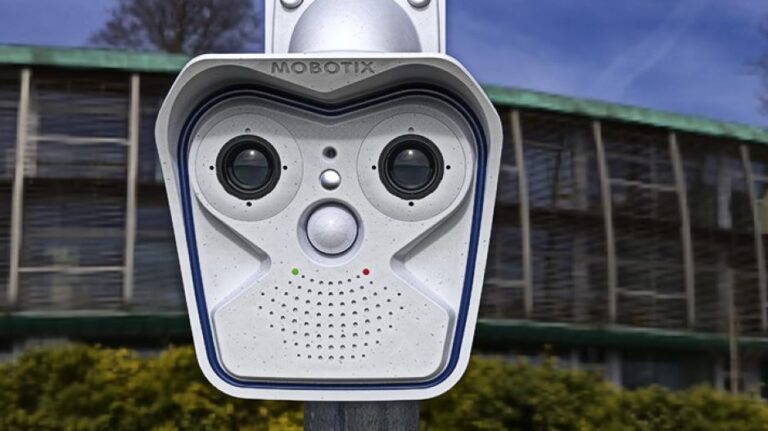
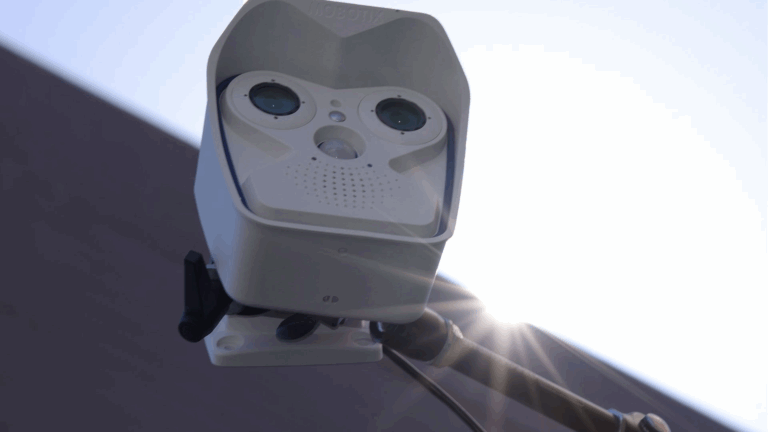
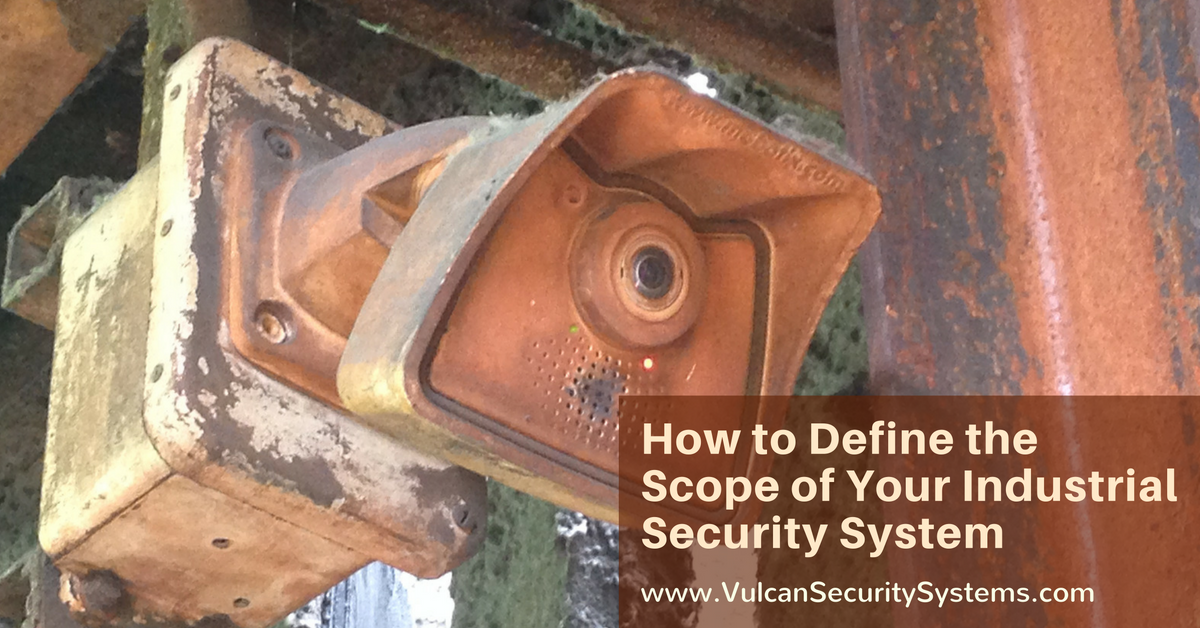
- Long-term reliability—our preferred German-engineered cameras last up to a decade, far beyond industry averages.
When it comes to video, quality and reliability matter more than ever.
Inventory Control Systems
RFID and other tagging technologies can provide automated alerts if inventory moves outside of designated areas. These systems pair well with video surveillance for full visibility.
Smarter Security Starts With Better Planning
Planning the right video security system isn’t about buying cameras—it’s about creating a strategic, reliable solution that protects your business for years to come. By defining your objectives, involving the right stakeholders, conducting a thorough site audit, and choosing proven technology, you’re laying the groundwork for a system that delivers real security and measurable ROI.
With the right plan, your security system becomes more than surveillance—it becomes a strategic advantage for safety, efficiency, and peace of mind. Vulcan offers free assessments to help businesses design systems that cut costs, reduce liability, and keep sites secure.