Two-Way Audio: One of the Most Overlooked Features in Security Cameras
Most commercial security systems today include two-way audio, yet very few businesses know it exists or understand what it can actually do. In the right environment, two-way audio transforms a camera from a passive recording device into an active security tool that can deter crime, protect employees, and resolve incidents long before they escalate.
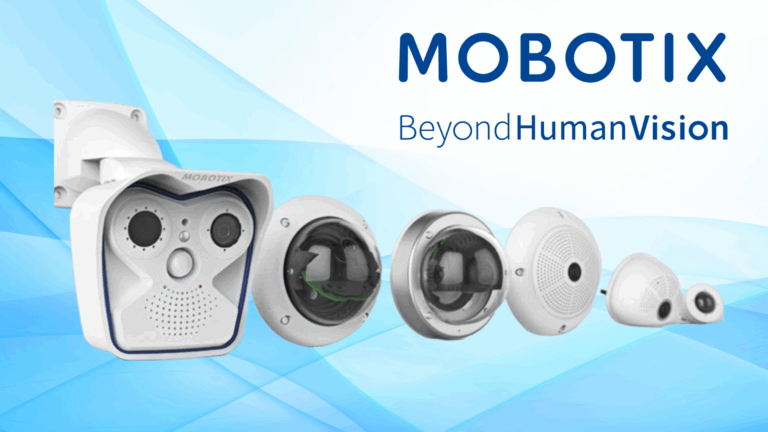
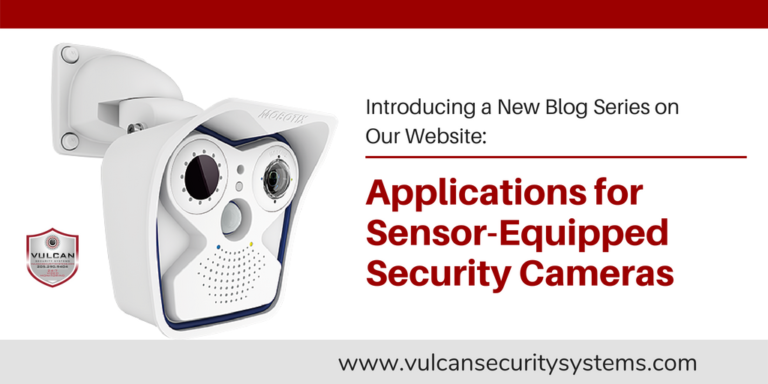
At Vulcan, we specialize in IP video and AI-powered monitoring, and we see firsthand how underutilized this feature is. Almost every MOBOTIX camera we install already comes equipped with two-way audio, but unless someone explains its value or shows how to use it, most companies never take advantage of it.
This guide explains what two-way audio is, why it matters, and how it creates real business value across multiple industries.
What Is Two-Way Audio in Security Cameras
Two-way audio allows someone monitoring the camera to listen to what is happening on-site and speak back through the camera in real time. With MOBOTIX systems, this capability is built in from the start. The speaker is enabled by default, and the microphone can be turned on depending on the client’s needs and legal requirements.
Many end users don’t realize they already have this feature. They assume security cameras only capture video, not audio, and they’ve rarely been shown the potential value. When Vulcan installs a system, we walk clients through where two-way audio can help, how to turn it on or off, and what is appropriate for their local laws.
Audio Triggers
Beyond simple listening, an enabled microphone can detect unusual loud noises. If an explosion, break-in, or disruptive event exceeds a certain decibel level, the system can send an alert through our monitoring platform. This adds a layer of intelligence that video alone cannot provide.
Why Two-Way Audio Matters More Than Most People Realize
Two-way audio turns a camera into a prevention tool rather than a documentation tool. Instead of simply recording a trespasser, the system allows a monitoring agent to speak directly to them. This is especially powerful after hours or at remote locations where guard response times are unpredictable.
Voice Downs During 24/7 Monitoring
A live voice-down is significantly more effective than a prerecorded alarm. When an operator says something specific, such as “You in the red pickup truck, law enforcement has already been notified,” the intruder understands the message is directed at them. This specificity often stops the incident immediately.
In contrast, a generic siren or repeated alarm tone is easy to ignore. People assume no one is actively watching or responding. When a human voice delivers a clear, relevant message, trespassers tend to take it seriously and leave before any theft or damage occurs.
Reducing Loss Before Police Arrive
Even in the best-case scenario, law enforcement response times can range from ten to forty-five minutes. If an intruder can be run off within the first minute, the risk drops dramatically. In many cases, stopping an event early is the difference between a minor incident and a major loss.
Business Use Cases Where Two-Way Audio Makes a Real Difference
Two-way audio is valuable in almost any industry that needs accountability, safety, or dispute resolution. Some of the most impactful examples come from environments where perception and reality often differ.
Schools and Classrooms
Teachers sometimes fear cameras because they feel watched. Once two-way audio is used to confirm what actually happened in a situation, many begin to see it as protection rather than surveillance.
For example, if a student claims a teacher said something inappropriate, the combination of video and audio provides clarity. It removes the gray area. Many teachers feel relieved knowing that clear evidence exists in their favor.
Retail, Industrial Sites, and Warehouses
Disputes between customers and employees can be resolved quickly with audio. If someone claims a staff member said something they did not say, reviewing the footage provides closure without escalating the issue.
In industrial environments, audio can also help identify escalating situations, heated arguments, or safety concerns before they become incidents.
High-Security Environments
Whether it is a correctional facility or a sensitive operations area, audio provides a level of accountability that video alone cannot. It protects both staff and the individuals they interact with.
Legal Considerations and Best Practices
Laws governing audio recording vary by state. This is why Vulcan leaves microphones off by default unless a client requests otherwise and understands their requirements.
Generally, the following rules apply:
Microphone Recording
Recording audio typically requires some form of notice, especially if employees or the public could be recorded. Clients must follow local laws and workplace policies.
Speaking Through the Camera
Using the speaker to perform a voice-down does not carry the same legal complexity. Monitoring agents can speak to trespassers, issue warnings, and communicate events without violating privacy regulations.
Audio-Based Alerts
Systems that detect loud noises without recording speech generally fall into a simpler category, though rules still vary by region.
Vulcan’s role is to help clients understand their options and remain compliant while still benefiting from the technology.
Why Two-Way Audio Is So Overlooked
Despite being included in many modern security cameras, two-way audio is rarely explained or emphasized. There are several reasons:
- Many integrators sell hardware, not outcomes, and never discuss proactive capabilities.
- Clients assume cameras only record video, so they never ask about audio.
- Without a 24/7 monitoring component, two-way audio seems unnecessary to most users.
- The real value only becomes obvious when someone sees a voice-down stop an incident in progress.
When clients see the first real-time deterrence event, they immediately understand its value. It turns a camera into an active layer of protection rather than a forensic tool. For organizations concerned about safety, theft, accountability, or employee protection, two-way audio can be one of the most important features they did not know they had.
What This Means for Your Security Strategy Moving Forward
Two-way audio is one of the most overlooked features in modern security cameras, yet it delivers some of the highest-impact benefits in commercial and industrial security. It can deter intruders, protect employees, resolve disputes, detect unusual sounds, and give monitoring agents a way to intervene long before police arrive.
The key takeaway is that two-way audio shifts your system from passive recording to proactive prevention. Most businesses already have the capability built into their cameras; they simply have not been shown how to use it or why it matters.
If you want to understand whether your existing system supports two-way audio or see how live voice-downs work in a real monitoring environment, Vulcan can walk you through a simple demonstration. It is one of the fastest ways to increase the effectiveness of your security system without adding new guards or complex equipment.