
How Video Security Protects Vehicle Lots in More Ways Than One
Video security is often associated with stopping theft at vehicle lots. While that is an important benefit, it is far from the only one. When designed correctly and paired with live monitoring, modern video security systems protect vehicle lots in multiple ways, including reducing liability, improving response times, replacing overnight guards, and keeping operations running smoothly after hours.
At Vulcan Security Systems, we work with commercial and industrial properties where vehicles are parked overnight and no legitimate activity should be taking place.
In this article, we’ll break down how video security protects vehicle lots beyond theft prevention, so you can understand what it realistically does, what it doesn’t do, and when it makes sense to use it.
Why Vehicle Lots Are a Common Target After Hours
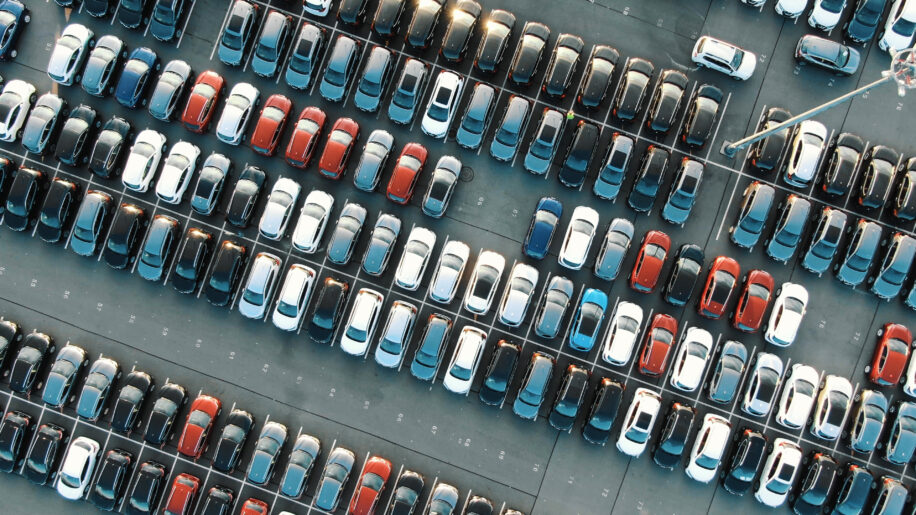
Vehicle lots are predictable environments. After business hours, there is typically no reason for anyone to be present. That predictability makes them attractive targets.
Common characteristics include:
- High-value assets left outdoors
- Large, open perimeters
- Limited lighting in certain areas
- No overnight staff
- No activity on weekends or late nights
This applies to more than just car dealerships. Fleet yards, school bus lots, equipment storage yards, and service vehicle depots all face similar risks. Anywhere vehicles are parked overnight with minimal supervision becomes vulnerable once the gates close.
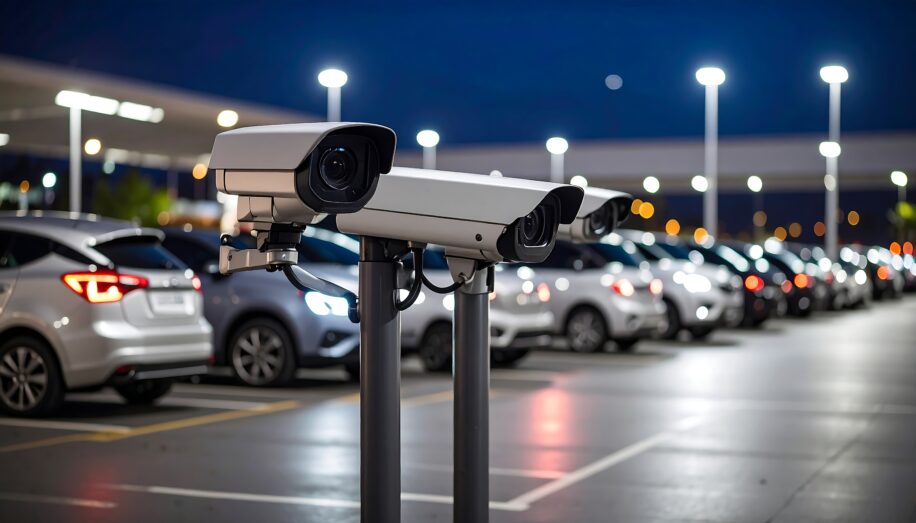
Theft and Vandalism Prevention Is Only the Starting Point
The most obvious role of video security is theft prevention. This includes:
- Vehicle break-ins
- Catalytic converter theft
- Equipment and parts theft
- Vandalism and property damage
- Trespassing after hours
However, cameras alone do not stop these issues. Unmonitored cameras simply record what happened and are reviewed after the fact. Footage may help with insurance claims, but it does not prevent loss.
When video is paired with AI detection and 24/7 monitoring, the outcome changes. Instead of reacting later, incidents can be identified and addressed in real time. That shift from recording to intervention is where real protection begins.
Replacing Overnight Guards Without Losing Coverage
Many vehicle lots rely on overnight guards or have considered them at some point. Guards can be effective in certain situations, but they also introduce challenges.
Common issues with guards include:
- High ongoing costs
- Staffing shortages
- Fatigue during long overnight shifts
- Inconsistent coverage
- Liability concerns
AI-powered video monitoring offers an alternative. Instead of relying on a single individual walking a large property, cameras provide consistent coverage across the entire lot. Monitoring professionals verify activity when it occurs and respond based on what is actually happening.
This approach allows vehicle lots to maintain visibility and response without the costs and risks that come with overnight guard staffing.
Reducing Liability and False Claims
One of the most overlooked benefits of video security is liability protection.
Vehicle lots regularly deal with claims such as:
- Damage to vehicles while parked
- Allegations of employee misconduct
- Disputes over when damage occurred
- Insurance investigations after incidents
Clear video documentation helps resolve these situations quickly. It shows what happened, when it happened, and who was involved. Just as importantly, it can prove when something did not happen on your property.
For many businesses, preventing a single false claim or prolonged dispute can justify the investment in a properly designed video system.
Faster, More Accurate Response When Incidents Occur
When an incident happens after hours, response time matters. False alarms waste resources and slow down real responses.
Modern video monitoring improves response by:
- Verifying events visually before action is taken
- Distinguishing between people, vehicles, and non-threats
- Reducing unnecessary law enforcement calls
- Providing clear information when dispatch is required
This leads to better outcomes for property owners and responding authorities. Instead of guessing based on a triggered sensor, decisions are made based on verified activity.

Protecting Operations, Not Just Parked Vehicles
Vehicle lots are not just storage areas. They are part of daily operations.
For fleet operators, downtime can be costly. A damaged or stolen vehicle can disrupt schedules, deliveries, or services the next day. Video security helps protect operational continuity by reducing incidents that lead to delays or unexpected repairs.
In many cases, the value is not just in preventing theft, but in keeping vehicles available and ready when business resumes.
Keeping Security Systems Online Without Constant Service Calls
A security system is only effective if it is working. One common frustration with traditional systems is discovering a camera has been offline for weeks without anyone noticing.
Proactive system monitoring changes that. Camera health, connectivity, and performance can be monitored remotely, allowing issues to be addressed quickly, often without an on-site service visit.
This reduces downtime, service costs, and blind spots, which is especially important for large outdoor lots where coverage gaps can go unnoticed.
When Video Security Makes Sense for Vehicle Lots
Video security protects vehicle lots in more ways than theft prevention. When designed properly, it reduces liability, improves response, supports operations, and replaces less reliable overnight coverage.
That said, it is not a universal solution. It works best when:
- The lot is closed after hours
- There is minimal legitimate nighttime activity
- Assets are valuable and exposed
- The goal is prevention, not just documentation
For vehicle lots, fleet yards, and equipment storage areas that fit this profile, video security with live monitoring can provide measurable, long-term value.
If you’re evaluating options, the most important step is understanding how the system will actually be used after installation. Cameras alone are not the solution. How they are monitored, maintained, and supported makes the difference.