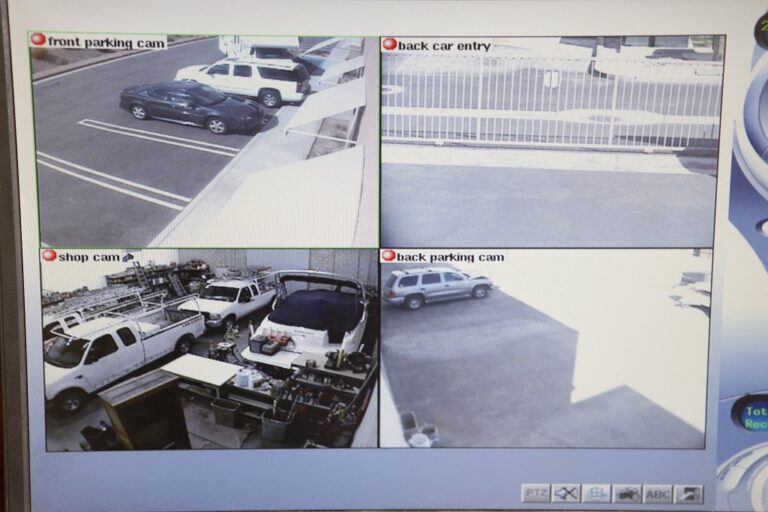

The Downsides to Proprietary Security Equipment
Proprietary security systems might look appealing at first, especially when bundled into a “complete package” by large national providers, but they can quickly become expensive and restrictive. Many businesses find themselves locked into long-term contracts, limited to one service provider, and unable to upgrade or integrate newer technology.
At Vulcan, we’re often called by frustrated business owners who feel stuck in systems that no longer serve them. One client was paying over $1,000 per month for a proprietary setup that couldn’t integrate with modern analytics. Within two years of switching to open IP-based equipment, their system paid for itself and delivered the reliability and control they needed.
Because we focus solely on IP video, not alarms or access control, we’ve seen firsthand how proprietary systems create long-term challenges. Security should empower your operations, not restrict them.
In this guide, we’ll break down what proprietary systems are, why they cause frustration, and how open, standards-based IP video systems keep your business in control of its technology and budget.
What Is a Proprietary Security System?
A proprietary security system is an electronic system, such as video surveillance, access control, or alarms, produced under exclusive legal rights by one manufacturer. Only that brand (and often only their authorized service partners) can sell, repair, or expand the system.
In practice, this means businesses using proprietary systems are locked into the original manufacturer’s software, service contracts, and pricing structures. Large national integrators often prefer this model because it creates long-term dependency and predictable revenue.
The Real Downsides of Proprietary Security Equipment
Proprietary systems often sound convenient, but they come with long-term consequences that hurt flexibility, cost control, and reliability.
1. Limited Service Options = Vendor Lock-In
Most proprietary systems can only be serviced by authorized providers and in many regions, that means just one company. If that provider is slow, overpriced, or unresponsive, there’s little recourse. Businesses are forced to wait, pay, and hope for the best.
We’ve seen multi-site clients go days without working cameras because the manufacturer’s only authorized technician was unavailable. With open systems, any qualified IP video professional can step in to help.
2. Expansion Challenges
When your business grows, your system should grow with it. Proprietary systems often make expansion difficult or expensive. You may need to purchase additional hardware directly from the same manufacturer at a fixed price, with no ability to source better deals or integrate modern technology.
Example: If you add a new warehouse or office, you can’t just plug in compatible IP cameras, you’re locked into the same proprietary ecosystem and must follow the manufacturer’s terms.
3. Technology Limitations & Compatibility Issues
Innovation in security moves fast; AI analytics, thermal detection, remote monitoring, and health diagnostics are now standard. Proprietary systems tend to lag behind, and they rarely integrate seamlessly with other modern platforms. You’re at the mercy of that manufacturer’s product roadmap.
And when upgrades finally come, they may not be backward compatible, forcing expensive hardware replacements.
In short: proprietary systems age faster, integrate worse, and cost more to maintain.
4. The Risk of Obsolescence
If your provider discontinues support or changes ownership, your system may suddenly become obsolete. Businesses end up paying for forced upgrades or worse, face downtime because their “locked” system can no longer receive updates or replacement parts.
This is similar to choosing the wrong technology format, like being stuck with Betamax while the rest of the world moves to streaming.
A Better Approach: Open IP Video Systems
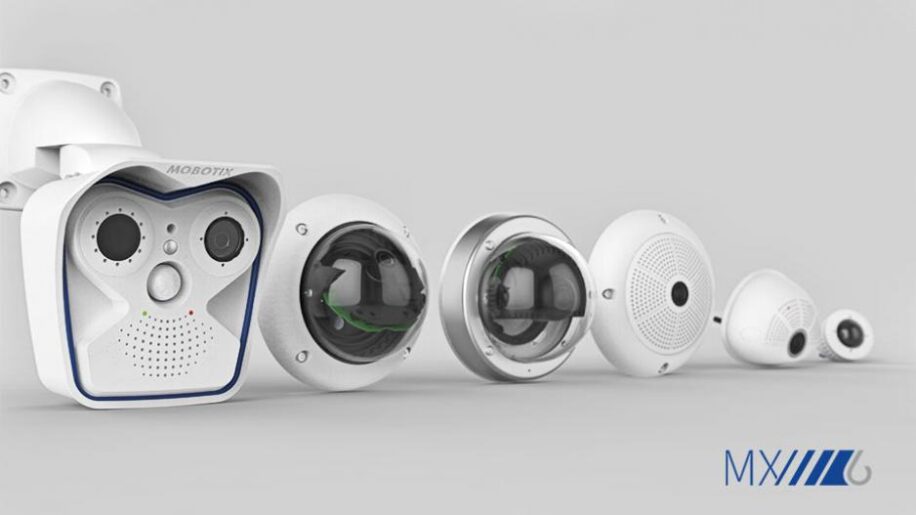
Open systems, like the IP-based MOBOTIX technology Vulcan installs, operate on universal standards (such as ONVIF, MQTT and H.264). They integrate easily with third-party software, analytics, and cloud solutions. This gives you full ownership of your infrastructure and the flexibility to upgrade on your own terms.
Advantages of Open Systems:
- Freedom to choose who services your system.
- Seamless integration with AI analytics, monitoring, and automation tools.
- Lower lifetime costs through competition and component availability.
- Longer usable life, hardware and software evolve together without lock-in.
- Transparency in pricing and support.
Why Vulcan chooses MOBOTIX: There are many camera brands on the market, but MOBOTIX is unmatched for reliability and lifespan. Their systems are engineered for performance in harsh environments and designed to be open and future-proof, no hidden dependencies or forced upgrades.
How to Avoid Getting Locked Into a Proprietary System
1. Ask upfront: Always ask potential vendors if their equipment is proprietary or open-standard.
2. Review service terms: Look for clauses that limit your ability to use third-party providers.
3. Prioritize interoperability: Choose systems that support ONVIF and open video management software.
4. Think lifecycle: Evaluate how long the system will be supported and whether updates will remain compatible.
5. Consult before signing: A quick review with a qualified IP video specialist can save years of frustration.
The Vulcan Difference: Freedom = Control
At Vulcan Security Systems, we don’t sell lock-in, we sell peace of mind. Our systems are open, transparent, and fully supported. We don’t require long-term contracts or proprietary hardware. If we can’t meet a client’s needs, we’ll help them find someone who can. That’s how we do business.
Choosing open, standards-based technology isn’t just about flexibility, it’s about freedom. Businesses deserve the ability to maintain, expand, and modernize their systems without being held hostage by a single provider.
With Vulcan’s open IP video approach, you own your equipment, control your data, and get the support you need, without the fine print.
Ready to see where you stand? Schedule a free onsite assessment with Vulcan today. We’ll evaluate your current system, identify vulnerabilities, and map out a plan for reliability and independence.