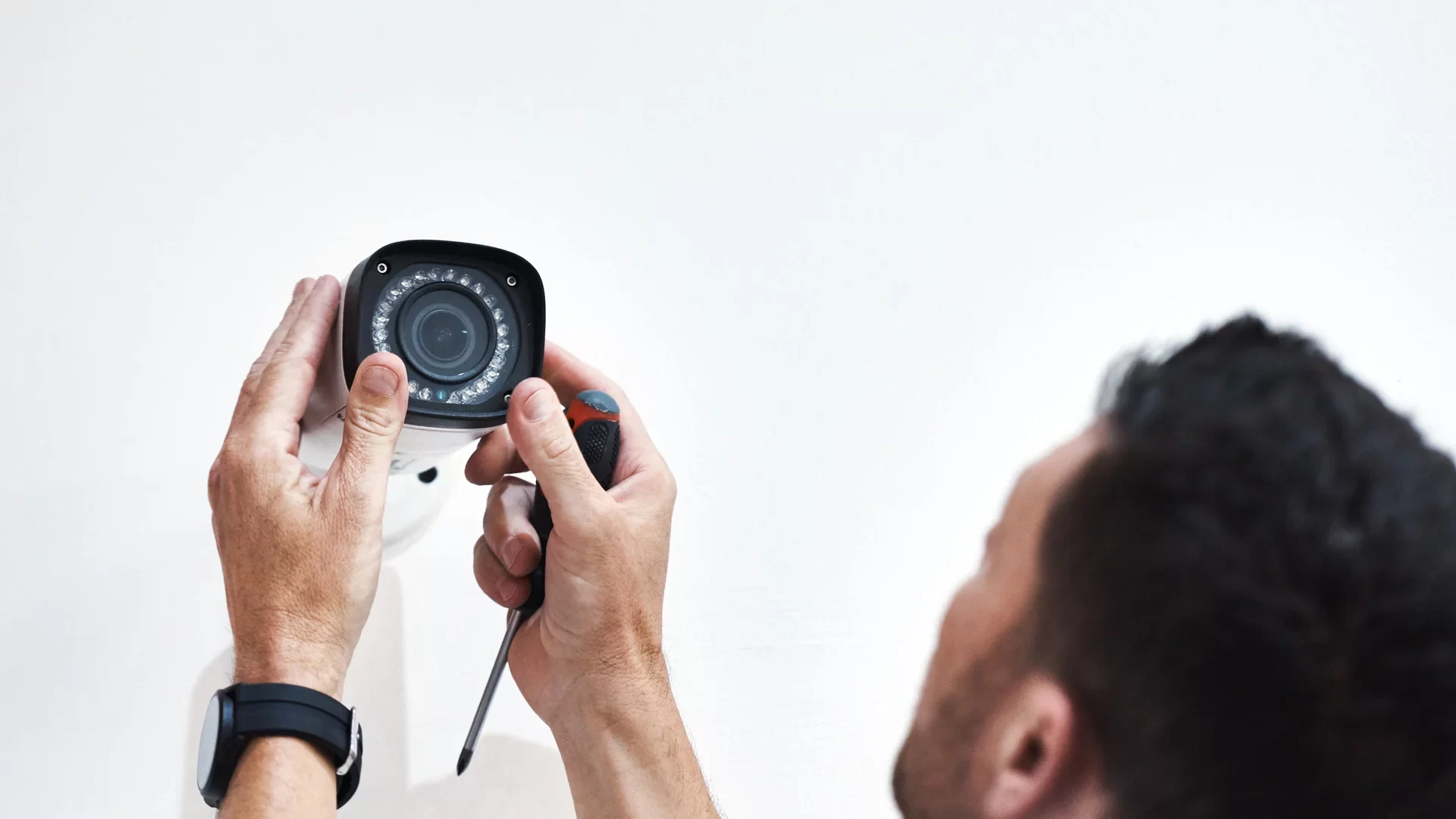
How to Plan the Right Video Camera Security System for Your Business
Planning a video camera security system isn’t about picking cameras off a shelf, it’s about designing a tailored solution that protects your people, property, and operations today, while scaling with your business tomorrow. The right plan keeps your facility secure, reduces liability, and provides the clarity and evidence you need when incidents happen.
Imagine walking into your facility one morning to find that critical equipment is missing or that an incident went unrecorded because a camera failed to capture what happened. Unfortunately, this is a reality for many businesses that rely on poorly planned systems.
At Vulcan Security Systems, we’ve seen too many companies waste money on systems that seemed fine on paper but failed under real-world conditions. The result? Blind spots, unreliable coverage, false confidence, and costly replacements. On the other hand, businesses that approach security as a strategic investment consistently see stronger protection, fewer disruptions, and measurable ROI.
In this guide, you’ll learn how to plan a professional-grade video security system step by step, from defining your goals and auditing your site, to choosing the right technology and building a system designed to last.
Table of Contents
- Step 1: What Are Your Security Objectives?
- Step 2: How Much Should You Invest in Security?
- Step 3: Who Needs to Be on Your Project Team?
- Step 4: How Do You Audit Your Site Effectively?
- Step 5: What Technology Do You Really Need?
- Step 6: How Do You Plan for Monitoring & Growth?
Step 1: What Are Your Security Objectives?
Before selecting technology, clarify why you need a system. Common objectives include:
- Reducing theft, vandalism, and trespassing.
- Protecting employees and visitors from harm.
- Improving liability protection for injury claims.
- Monitoring workflow for safety and operational efficiency.
- Supporting rapid response with remote visibility.
- Enhancing inventory and equipment control.
- Faster emergency response time.
Pro Tip: Think beyond security. Many clients also use video systems to improve safety compliance and optimize operational workflows.
Step 2: How Much Should You Invest in Security?
Video security is an investment in risk management, not a commodity. While DIY and low-cost systems may seem attractive, they often fail under real-world conditions. A professional-grade system:
- Provides crystal-clear, court-admissible video evidence.
- Reduces downtime and operational disruptions.
- Lasts significantly longer (up to 10 years with the right hardware).
- Lowers liability and insurance costs over time.
Instead of focusing on upfront costs, frame security as a long-term value decision. A well-planned system saves far more than it costs by preventing losses, liability, and downtime.
Step 3: Who Needs to Be on Your Project Team?
Security planning isn’t a one-person job. Involve key stakeholders early:
- Facilities Management: ensures cameras align with building layout.
- IT: oversees networking, storage, and cybersecurity.
- Operations: identifies workflow and productivity risks.
- Safety & HR: ensures compliance and employee protection.
- Maintenance: plans for ongoing care and infrastructure needs.
A cross-functional team ensures the system is effective, efficient, and supported long-term.
Step 4: How Do You Audit Your Site Effectively?
A professional site audit reveals risks that floorplans or memory can’t. Look at:
Exterior:
- Entry and exit points.
- Vehicle access and delivery zones.
- Outdoor storage areas.
- Lighting conditions after dark.
Interior:
- High-value or sensitive zones (labs, IT rooms, inventory storage).
- Production and workflow bottlenecks.
- Safety-sensitive areas needing restricted access.
Infrastructure:
- Existing power and networking availability.
- Blind spots where cameras may be ineffective.
- Customer-facing spaces where aesthetics matter.
Example: A manufacturing client once discovered through an audit that a major blind spot existed over a loading dock. Fixing it prevented repeated equipment losses and tightened shipping security.
Step 5: What Technology Do You Really Need?
Not all cameras are created equal. Today’s standard is 4K (Ultra HD) or better—anything less risks missing critical details.
Modern IP video systems deliver:
- Remote access for real-time monitoring.
- AI-powered analytics (license plate recognition, heat mapping, facial recognition).
- Multi-sensor and thermal imaging for complex environments.
- Long lifespans, our preferred German-engineered Mobotix cameras last up to 10 years.
When paired with professional design, these systems maximize coverage, clarity, and uptime.
Step 6: How Do You Plan for Monitoring & Growth?
A great design is only effective if it stays operational. Build a plan for:
- 24/7 Monitoring: AI-powered surveillance detects threats in real time—no human guard required.
- Proactive Maintenance: Health monitoring ensures cameras stay online; problems are often fixed remotely before you even notice.
- Scalability: Choose hardware and storage that allow easy expansion as your business grows.
Future-proofing your system ensures today’s investment keeps delivering tomorrow.
Smarter Security Starts With Better Planning
Planning the right video security system isn’t about buying cameras, it’s about creating a strategic, reliable solution that protects your business for years to come. By defining your objectives, involving the right stakeholders, conducting a thorough site audit, and choosing proven technology, you’re laying the groundwork for a system that delivers real security and measurable ROI.
With the right plan, your security system becomes more than surveillance, it becomes a strategic advantage for safety, efficiency, and peace of mind. Vulcan offers free assessments to help businesses design systems that cut costs, reduce liability, and keep sites secure.