Our Complete Guide to Video Security for Alabama Businesses
If you’re responsible for protecting people, property, or operations, security planning can feel overwhelming. There are endless technology options, conflicting advice, and no shortage of vendors pushing equipment before understanding your actual risk. Let’s cut through that noise.
At Vulcan Security Systems, we help Alabama businesses plan video and premises security systems that are practical, defensible, and built around real-world operations, not marketing promises.
This article brings together the most important concepts we walk through with clients every day, so you can approach security planning with clarity and confidence.
Table of Contents
- Start With Risk, Not Cameras
- How Video Security Is Used in Modern Alabama Businesses
- Choosing the Right Cameras for the Job
- Planning for Safety, Compliance, and Liability
- Thinking Beyond Traditional Surveillance
- Privacy and Legal Considerations in Alabama
- AI, Event-Based Monitoring, and After-Hours Protection
- Designing a Security System That Can Evolve Over Time
Start With Risk, Not Cameras
The most common mistake businesses make is starting security planning with equipment. Cameras, analytics, and monitoring only make sense after you understand your risk profile.
Effective security planning starts with clear answers to questions like:
- What incidents are you trying to prevent, deter, or document?
- When is your site most vulnerable?
- Which areas create the most liability if something goes wrong?
- What level of response is actually required, and how fast?
Defining the scope of your premises security system early helps avoid both underbuilding and overbuilding. It also ensures your budget is aligned with real priorities, not guesswork. We outline this approach in detail when discussing how to define the scope of a premises security system, because clarity at this stage impacts every decision that follows.
Understand How Video Security Is Used in Modern Businesses
Video security today is not just about recording incidents after the fact. Modern AI-Powered video systems play an active role in operations, safety, and accountability.
Businesses across Alabama are using video systems to:
- Improve workplace safety and compliance
- Reduce theft, vandalism, and trespassing
- Investigate incidents quickly and accurately
- Support HR, insurance, and liability claims
- Gain visibility into after-hours activity
- Monitor remote or unmanned areas
This broader role is especially clear in workplace environments where visibility and documentation matter. Video surveillance has become a foundational tool in many facilities, not just a security add-on.
Choose the Right Cameras for the Job
Not all cameras serve the same purpose, and choosing the wrong type can limit the effectiveness of even the best-designed system.
Security planning should account for:
- Fixed vs PTZ camera placement
- Indoor vs outdoor environmental conditions
- Lighting and low-light performance
- Field of view and distance requirements
- Mounting height and coverage overlap
Camera capability directly affects what can be detected, identified, and responded to. Understanding camera options early helps avoid blind spots and unnecessary replacements later.
Zoom capability is another area that often gets misunderstood. In real-world investigations, especially outdoors or in parking areas, the difference between digital zoom and true optical zoom can determine whether footage is actually usable.
Plan for Safety, Compliance, and Liability
Security planning is closely tied to safety and compliance. Video systems are increasingly used to support safety programs, incident reporting, and regulatory requirements.
When properly deployed, video can:
- Reinforce safety procedures and training
- Document incidents objectively
- Reduce false claims and disputes
- Support OSHA and internal investigations
This is particularly relevant in industrial, manufacturing, and commercial environments where safety expectations are high, and downtime is costly.
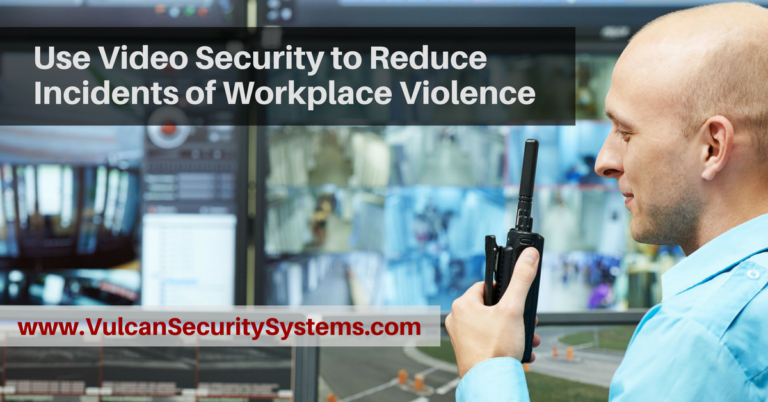
Video also plays a growing role in reducing threats of workplace violence by improving visibility, deterrence, and response capability.
Think Beyond Surveillance Alone
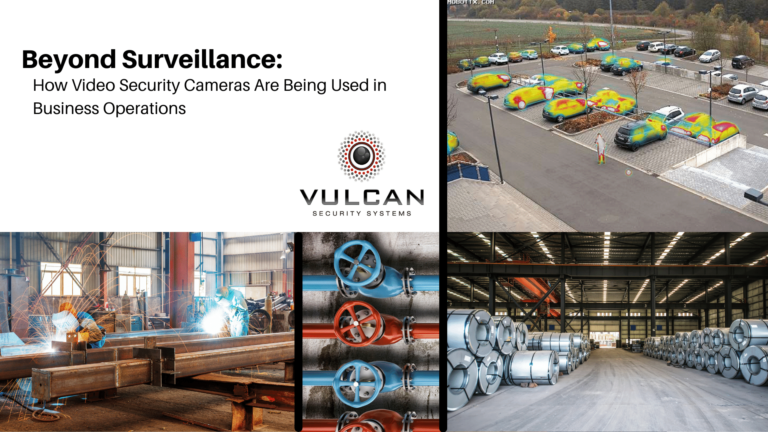
One of the biggest shifts in security planning over the past several years is how businesses are using security camera technology.
Businesses are leveraging video systems to:
- Improve operational awareness
- Resolve disputes faster
- Monitor workflows and site usage
- Support management decisions
This expanded use case changes how systems should be designed, supported, and maintained. Video becomes a long-term operational asset, not just a security expense.
Address Privacy and Legal Considerations in Alabama
Security planning must also account for privacy expectations and legal considerations, especially in workplace and customer-facing environments.
In Alabama, businesses need to think carefully about:
- Camera placement in sensitive areas
- Employee notification and policy alignment
- Audio recording restrictions
- Data retention and access controls
Addressing these considerations early helps prevent compliance issues and employee friction later.
Consider AI and Event-Based Monitoring
Modern security planning increasingly includes AI-driven detection and event-based monitoring, especially for after-hours protection.
Rather than relying on constant human observation, AI-enabled systems detect real activity and trigger a response only when needed. This approach improves coverage, reduces false alarms, and lowers long-term costs.
AI-based surveillance is particularly effective for:
- Unmanned facilities
- Overnight and weekend protection
- Large or distributed sites
- Guard replacement or reduction strategies
Understanding how AI improves workplace safety and response capability is now a core part of modern security planning.
Design for Longevity and Adaptability
Security needs change over time. Facilities expand, operations evolve, and risk profiles shift.
That’s why effective security planning favors open architecture systems that allow for:
- Future expansion without starting over
- Integration of new camera technology
- Upgrades to analytics and monitoring
- Long-term serviceability and support
This approach protects your investment and keeps your system relevant well beyond the initial install.
Start With a Plan, Not a Product
Strong security systems are built on good decisions, not just good hardware.
Whether you’re planning a new deployment or reevaluating an existing system, the goal is the same: create visibility, reduce risk, and support your operations without unnecessary complexity.
If you approach security planning with a clear understanding of risk, technology, and long-term needs, the system itself becomes much easier to design.
That’s how we approach security at Vulcan, and it’s why we focus on education first and equipment second.
If you’re ready to have that conversation, we’re always happy to help.