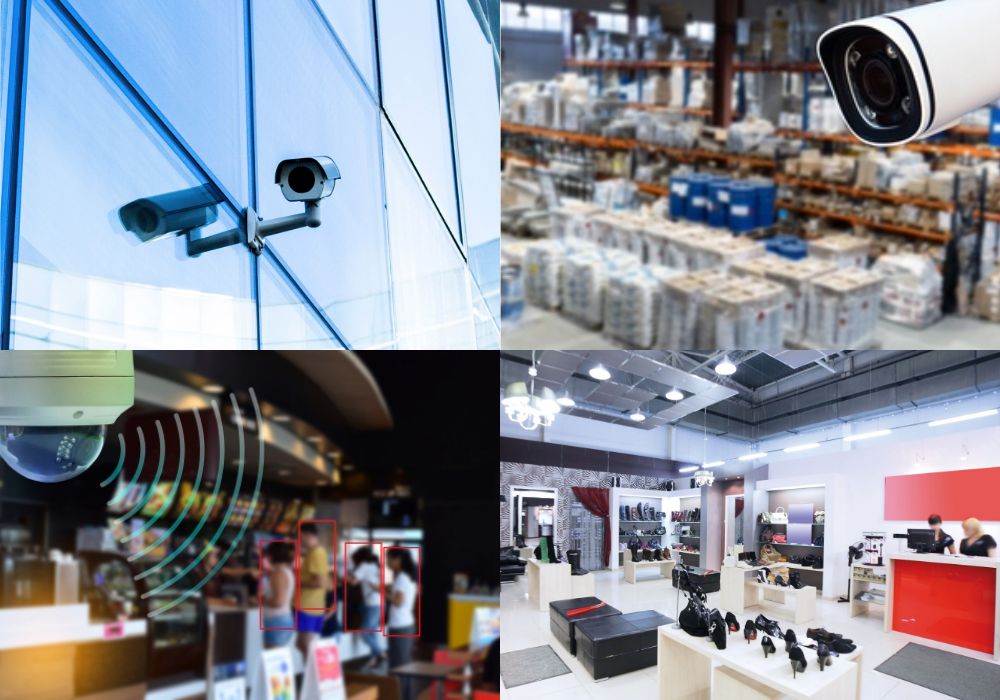
How Can IP Video Security Systems Help Your Business?
Are you trying to determine whether IP video security systems can strengthen your company’s risk management strategy?
Are you looking for a clearer understanding of how modern business security systems actually work?
Or are you responsible for protecting people and property at a church, daycare, private school, or similar organization and need a practical, affordable way to add visibility and accountability?
IP video security systems are no longer just about recording footage. When designed and used correctly, they support safety, operations, risk management, and real-world decision-making across a wide range of organizations.
What Is an IP Video Security System?
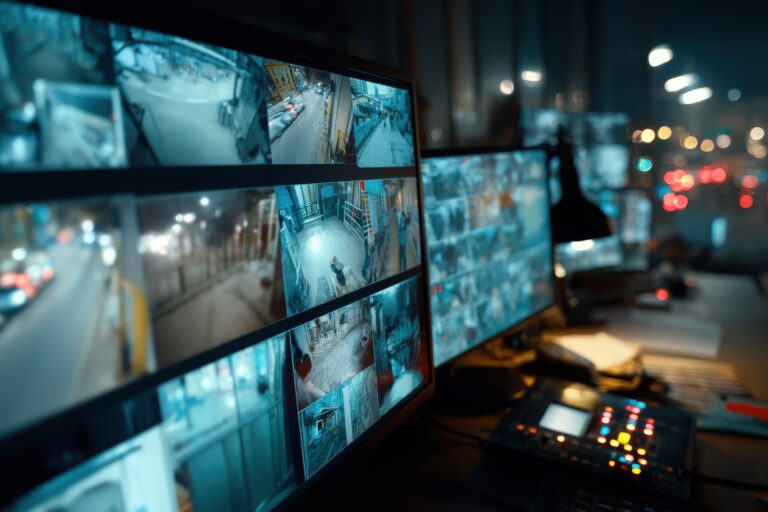
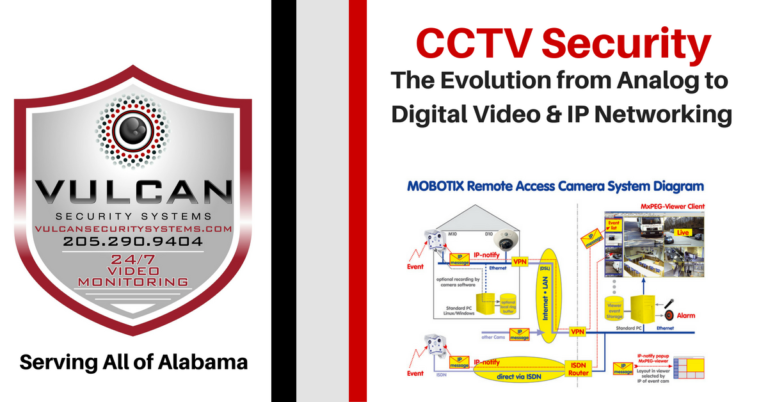
An IP video security system uses network-connected cameras to capture, transmit, and store video digitally. Unlike older analog systems, IP video allows authorized users to securely access live and recorded footage from computers, tablets, or mobile devices.
More importantly, modern IP systems can do far more than record. They can trigger alerts, integrate with analytics, and support proactive monitoring, making them a foundational tool for many organizations.
Improving Visibility and Situational Awareness
One of the most immediate benefits of IP video is visibility.
High-definition cameras allow organizations to see who is coming and going, when activity occurs, and how spaces are actually being used. This visibility applies across a wide range of environments, from commercial properties and industrial sites to schools, churches, and recreational facilities.
Remote access allows managers or security personnel to check on locations without being physically present, which is especially valuable for multi-site operations or facilities that are unattended after hours.
Improving Business Efficiency and Reducing Labor Costs
IP video systems can significantly improve efficiency by reducing the need for constant physical presence.
Instead of dispatching staff to investigate every alert, unusual noise, or reported issue, teams can quickly review video footage remotely and determine whether action is actually required. This saves time, reduces unnecessary labor, and allows staff to focus on higher-value tasks.
When an incident does require escalation, video context improves response speed and accuracy, whether that response involves internal staff, security personnel, or law enforcement.
Supporting Risk Management and Reducing Claims
IP video systems play an increasingly important role in risk management.
Video footage provides objective documentation that can help organizations:
- Investigate incidents accurately
- Resolve disputes more quickly
- Reduce false or exaggerated claims
- Support insurance and liability reviews
In many cases, the presence of cameras alone discourages theft, vandalism, and unsafe behavior. In others, video evidence helps clarify what happened and why, reducing long-term exposure and cost.
Protecting Children and Vulnerable Populations
Organizations responsible for children or vulnerable individuals carry an elevated duty of care.
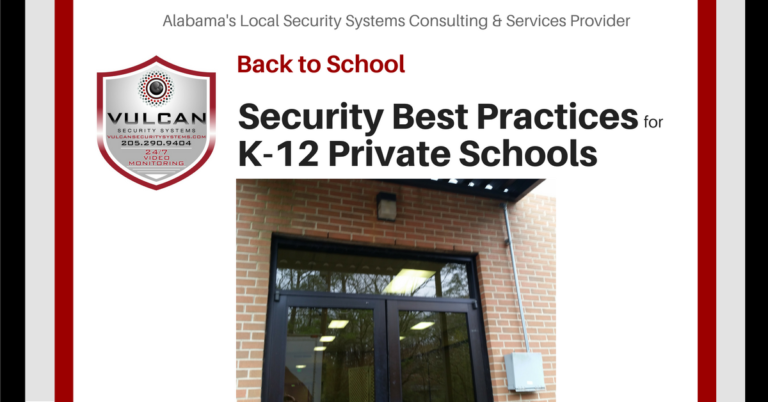
For daycares, private schools, churches, and similar organizations, IP video systems provide:
- Documentation of who enters and exits facilities
- Visibility at key access points
- Time-stamped evidence if concerns or claims arise
- Added reassurance for staff, leadership, and families
When used appropriately, video security enhances accountability while supporting a safer environment for everyone involved.
Supporting Remote and Outdoor Properties
IP video security is also well-suited for remote or difficult-to-monitor properties.
Farming operations, hunting lodges, construction sites, and similar environments often lack constant on-site staffing. IP video systems allow these locations to be monitored remotely, providing visibility without requiring full-time personnel on site.
Modern systems can operate over wired or wireless networks depending on site conditions, though reliability and system design remain critical factors in these environments.
Beyond Security: A Broader Business Tool
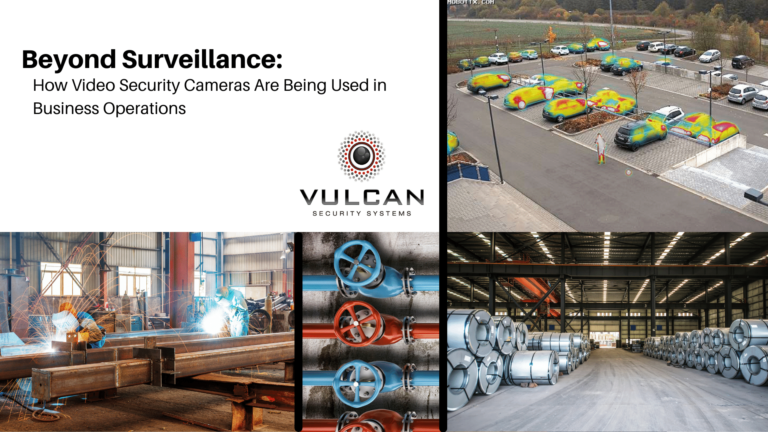
Today’s IP video systems are used for far more than traditional security.
Businesses increasingly rely on video to:
- Improve safety and compliance
- Review workflows and site usage
- Investigate near-miss incidents
- Support training and process improvement
This expanded role changes how systems should be designed. Video becomes an operational asset, not just a reactive security measure.
IP Video Works Best as Part of a Broader Strategy
It’s important to be clear about what video security can and cannot do.
IP video systems do not replace good management, training, or policies. They support those efforts by providing visibility, documentation, and insight into real-world conditions.
When integrated into a broader safety and risk management strategy, video security helps organizations make better decisions and reduce preventable issues over time.
Is IP Video Security Right for Your Organization?
For most businesses and organizations, the question is no longer whether video security is useful, but how it should be deployed.
The right system depends on your environment, risk profile, and operational needs. When IP video is planned with those factors in mind, it delivers value far beyond simple recording.
That’s how we approach video security at Vulcan, with clarity, practicality, and long-term use in mind.