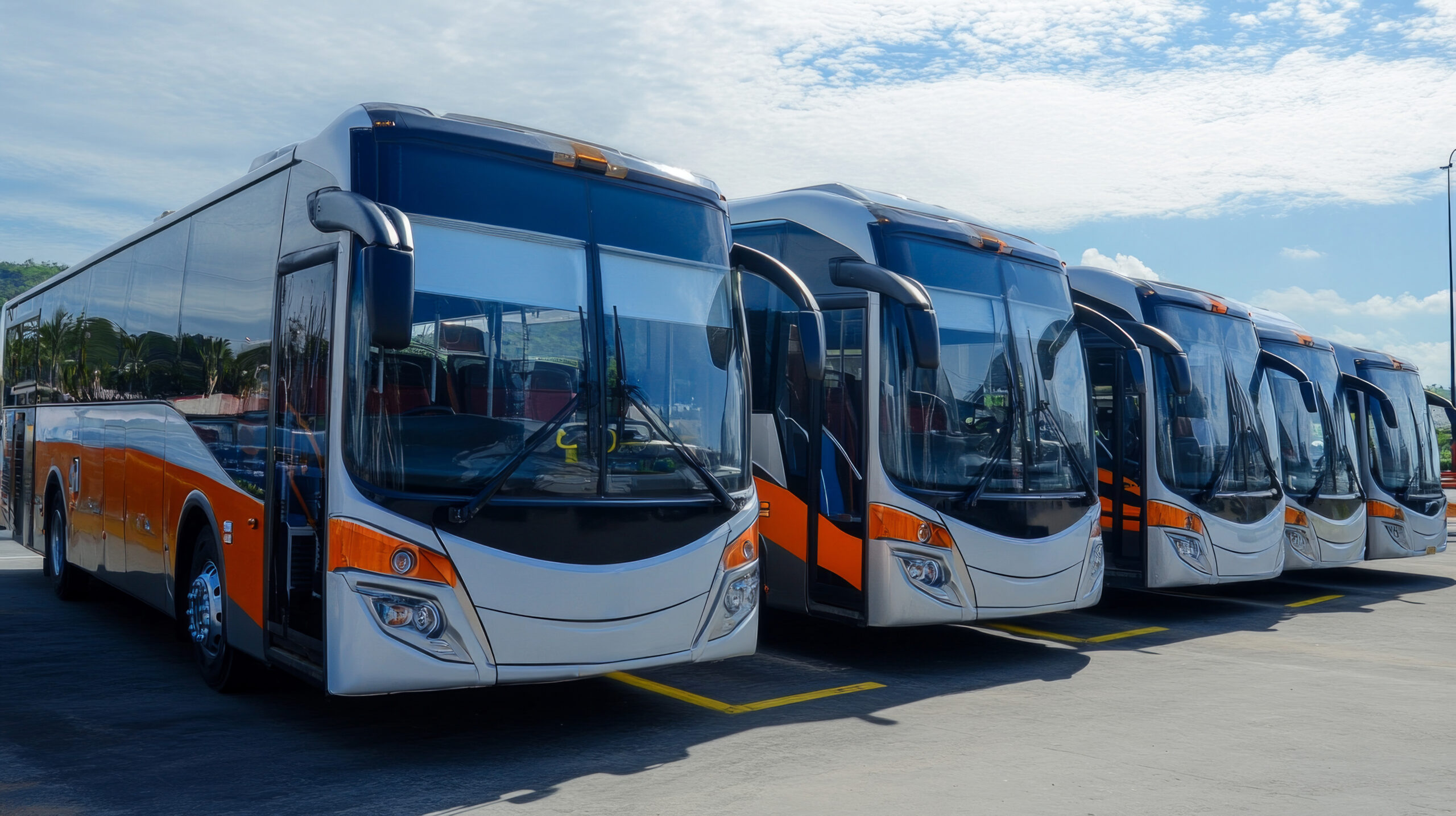
How Fleet Companies Use Video Monitoring to Reduce Loss and Downtime
Fleet companies depend on vehicles being available, functional, and ready to deploy. When a vehicle is damaged, stolen, or taken out of service unexpectedly, the impact goes far beyond replacement costs. Video monitoring helps fleet companies reduce loss and downtime by providing real-time visibility, faster response to incidents, and accountability when vehicles are parked or staged after hours.
In this article, we explain how fleet companies use video monitoring to protect vehicles, reduce operational disruptions, and keep assets moving without unnecessary interruption.
Table of Contents
- Why Fleet Operations Are Vulnerable After Hours
- The True Cost of Loss and Downtime in Fleet Operations
- Why Traditional Security Approaches Fall Short
- How Video Monitoring Works for Fleet Yards
- Reducing Theft, Damage, and Unauthorized Use
- Minimizing Downtime Through Faster Response
- Improving Accountability and Incident Resolution
- When Video Monitoring Makes Sense for Fleet Companies
Why Fleet Operations Are Vulnerable After Hours
Fleet yards are designed for efficiency, not security. Vehicles are often parked in large outdoor areas with wide access points and minimal overnight staffing. Once operations shut down for the day, these locations become predictable and quiet.
Common characteristics include:
- Vehicles parked overnight in open areas
- Limited lighting or perimeter control
- No staff on site during late night hours
- Repetitive schedules that are easy to observe
These conditions make fleet yards attractive targets for theft, vandalism, and unauthorized use.
The True Cost of Loss and Downtime in Fleet Operations
For fleet companies, loss is not limited to stolen property. Downtime often has a greater financial impact.
Loss and downtime can lead to:
- Missed routes or delayed service
- Rental replacements or emergency repairs
- Increased insurance claims
- Customer dissatisfaction
- Operational bottlenecks
A single damaged or missing vehicle can disrupt schedules across an entire operation. Preventing incidents before they escalate is often more valuable than recovering losses afterward. See how video security protects vehicle lots in more ways than one.
Why Traditional Security Approaches Fall Short
Many fleet companies rely on basic cameras or periodic patrols. These approaches have limitations.
Unmonitored cameras only provide footage after an incident has already occurred. Patrols cover limited ground and cannot provide continuous visibility across large yards.
Motion-based alerts are often disabled due to frequent false alarms caused by weather, animals, or passing traffic. Over time, these systems become background noise rather than active protection.
Fleet operations require clarity and response, not just recordings. Learn more about security guard replacement services that provide continuous, verified coverage.
How Video Monitoring Works for Fleet Yards
Video monitoring adds an active layer to traditional camera systems. AI is used to detect relevant activity, such as people or vehicles entering restricted areas after hours.
When activity is detected, trained monitoring professionals verify what is happening in real time. This verification allows for appropriate action instead of assumptions.
Responses may include:
- Observing and documenting activity
- Issuing live audio warnings
- Contacting law enforcement with verified details
- Escalating situations based on behavior and risk
This approach focuses attention only when something matters.
Reducing Theft, Damage, and Unauthorized Use
Actively monitored video changes outcomes. The presence of visible cameras combined with real-time response discourages trespassing and theft.
For fleet companies, this means:
- Fewer break-ins and vandalism incidents
- Reduced parts and fuel theft
- Prevention of unauthorized vehicle use
- Lower repair and replacement costs
Early intervention helps stop minor issues from becoming major disruptions. See how video security protects car dealerships and vehicle lots after hours using the same approach.
Minimizing Downtime Through Faster Response
Downtime increases when incidents go unnoticed for hours or days. Video monitoring shortens the time between detection and response.
By identifying incidents as they happen, fleet managers can:
- Address damage immediately
- Secure affected areas
- Coordinate repairs sooner
- Avoid compounding delays
Faster response often translates directly into reduced downtime and lower operational impact. Proactive camera maintenance ensures your system is ready when you need it most.
Improving Accountability and Incident Resolution
Fleet companies frequently deal with questions about what happened and when. Damage claims, insurance investigations, and internal reviews all require clear information.
Video surveillance provides objective documentation. It shows vehicle movements, access patterns, and activity during after-hours periods. This clarity helps resolve disputes quickly and reduces uncertainty.
Accountability is not about blame. It is about understanding events accurately so operations can move forward. Learn how video documentation reduces liability compared to traditional security approaches.
When Video Monitoring Makes Sense for Fleet Companies
Video monitoring is most effective when:
- Vehicles are parked overnight
- There is minimal after-hours activity
- Loss or damage has occurred in the past
- Downtime has a measurable business impact
- Guard staffing is impractical or costly
It may not be the right solution for facilities with constant overnight traffic or shared public access. As with any security investment, fit matters.
Keeping Fleets Operational When No One Is On Site
Fleet companies succeed when vehicles are available, and operations run without interruption. After-hours incidents threaten that stability.
Video monitoring provides visibility when no staff are present. By reducing loss, shortening response times, and supporting accountability, it helps fleet companies protect assets and minimize downtime.
For operations where every vehicle matters, understanding how video monitoring works and where it adds value is an important step toward long-term efficiency and resilience.