How Security Cameras Can Help With Hospital Security and Patient Care Monitoring
Spend a single shift in a busy emergency department, and you’ll quickly understand why hospital safety has become a national crisis. Nurses are shouted at. Doctors are threatened. Patients lash out, often out of fear or confusion.
For years, hospitals have relied on security guards and incident reports to manage these situations. But today, many healthcare leaders are realizing that intelligent video systems can do far more than record what happened, they can help prevent it.
At Vulcan Security Systems, we’ve seen how modern video surveillance helps hospitals protect staff, de-escalate tense situations, and even improve patient care.
This article explores how that’s happening right now and why it matters more than ever.
The Real Problem: Safety That’s Breaking Down
Ask almost any nurse or ER tech, and they’ll tell you: violence has become part of the job.
Over the past few years, the emotional toll has been immense. The American Nurses Foundation reported that more than half of nurses have experienced physical or verbal violence while on duty and many are considering leaving the profession because of it.
Additional data paints an equally concerning picture:
- 44% of hospital nurses reported being physically attacked on the job between February and May 2020.
- 67% of nurses reported experiencing verbal attacks during that same period.
Behind every statistic is a story: the nurse who stopped coming to work nights, the respiratory therapist who changed jobs after a patient’s family member lunged at her, the administrator who feels she’s constantly reacting instead of preventing.
That’s the moment many hospitals reach out to us, not because they want “more cameras,” but because they need control, visibility, and accountability.
The Turning Point: Seeing Problems Before They Escalate
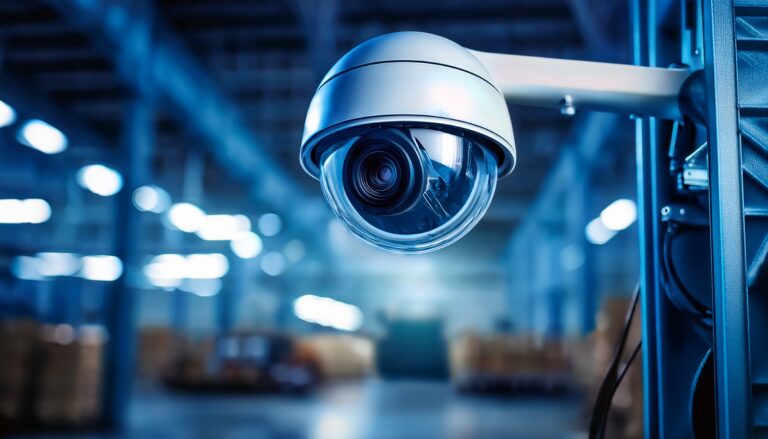
Traditional security cameras were designed for after an incident, to review what went wrong. But today’s AI-powered IP systems are proactive tools. They can detect movement patterns, identify restricted access breaches, and alert staff before a situation turns violent.
Here’s what this looks like in practice:
A patient in the behavioral health wing begins pacing near the nurses’ station. The Mobotix camera system, equipped with AI analytics, recognizes erratic movement and notifies the charge nurse. Security arrives before the situation escalates. The nurse feels supported instead of exposed.
That’s the power of prevention.
Hospitals using intelligent video are not only improving safety, they’re also reducing burnout, lowering turnover, and demonstrating to staff that leadership is investing in their well-being.
The Compliance Connection: Meeting Safety Mandates with Visibility
Hospital security isn’t just about protection, it’s also about compliance. Both OSHA and The Joint Commission require hospitals to maintain secure environments that protect patients and staff.
The Joint Commission continues to mandate that hospitals:
- Report and investigate all safety or security incidents (EC.04.01.01, EP 6).
- Identify and correct safety and security risks in their physical environments (EC.02.01.01, EP 3).
In 2025, the Joint Commission refined these Environment of Care standards to align more closely with CMS Conditions of Participation, putting added emphasis on proactive risk assessment and leadership accountability.
Meanwhile, OSHA is finalizing its first enforceable Workplace Violence Prevention in Healthcare Rule, which will require hospitals to implement comprehensive prevention programs and staff training.
Several states—including California, Texas, and Kentucky—have also strengthened workplace violence laws, and the Workplace Violence Prevention for Health Care and Social Service Workers Act (H.R. 2663) continues to gain bipartisan traction in Congress.
By deploying intelligent video systems, hospitals not only align with these evolving safety requirements but also create verifiable records that support accreditation, compliance, and a culture of accountability.
More Than Security: Cameras That Support Patient Care
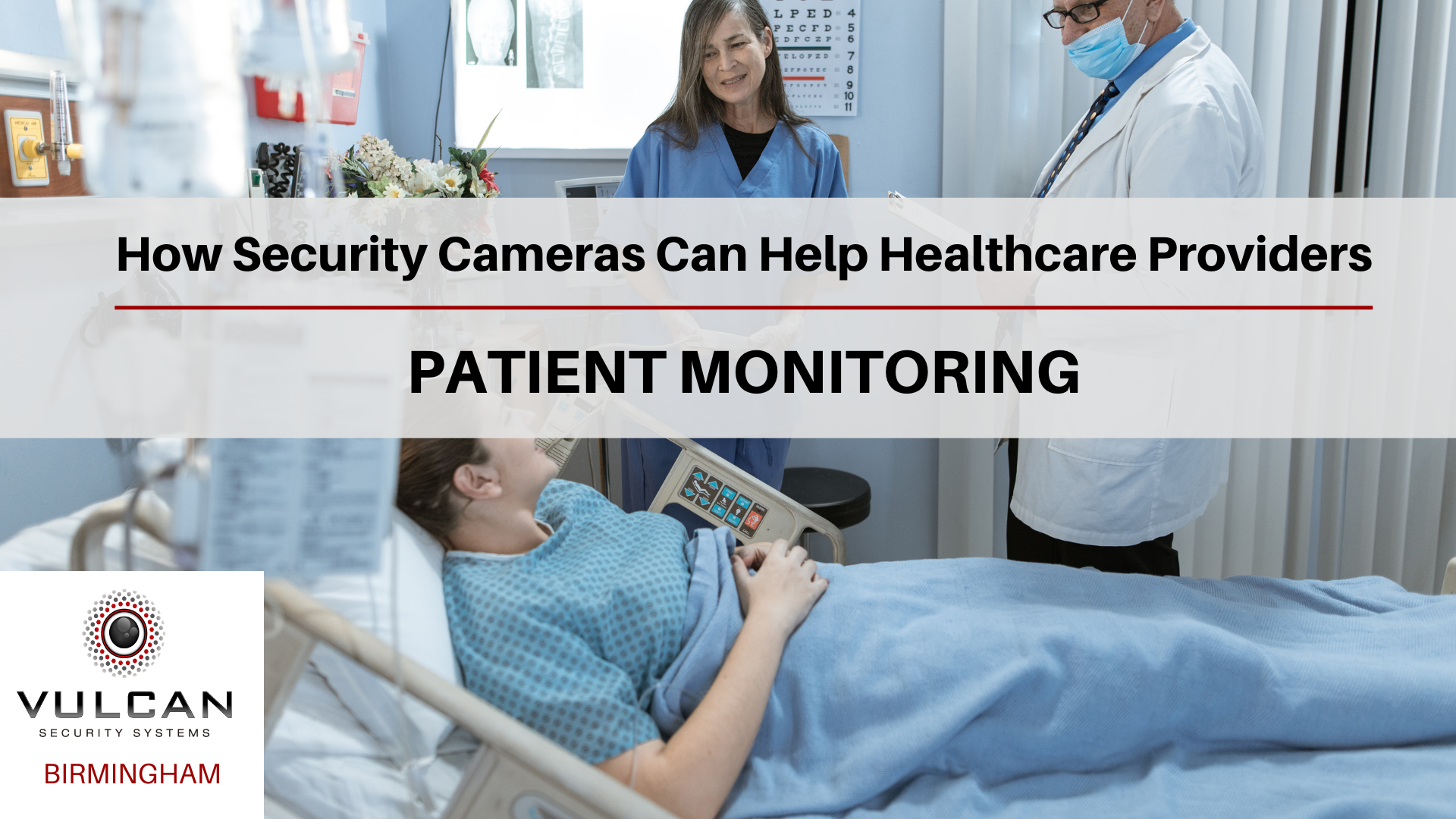
One of the most exciting evolutions in hospital video use is patient-engaged monitoring, systems designed to enhance patient care as much as protect it.
Imagine a single technician monitoring 15 high-risk patients simultaneously. Using two-way communication, they can gently redirect a patient trying to climb out of bed, call for a nurse when someone looks disoriented, or spot a wandering dementia patient before a fall occurs.
Hospitals using remote video monitoring programs have reported dramatic drops in patient falls and restraint use. In many cases, nurses say these systems give them peace of mind: “I can’t be everywhere, but now I can see everywhere.”
When safety tools double as care tools, everyone wins.
Why Leadership Can’t Ignore Visibility
Hospital executives face pressure from every direction: compliance audits, safety committees, patient experience metrics. But one area where investment pays immediate dividends is visibility.
Intelligent video systems help hospitals meet Joint Commission standards for maintaining a secure environment of care and OSHA’s guidance on workplace violence prevention. They also provide the digital recordkeeping that regulators increasingly expect.
Beyond compliance, though, video creates clarity. Leadership can review an incident objectively, understand root causes, and make policy or training changes that prevent repeats.
In short, video tells the truth and truth builds accountability.
The Technology Behind Reliability
At Vulcan Security Systems, we recommend Mobotix IP cameras for healthcare environments for three main reasons:
- Privacy and cybersecurity: Each camera operates as its own secure, encrypted server, with no required cloud connection. That means fewer data vulnerabilities and simpler HIPAA compliance.
- Durability: Mobotix hardware is German-engineered and built to last roughly ten years—twice the industry norm.
- Flexibility: The same system can be used for security, patient monitoring, or operational analytics without adding new infrastructure.
That reliability matters. Hospitals can’t afford downtime, and we can often resolve issues remotely within hours, no on-site technician required.
Building a Safer, Smarter Hospital
Technology alone doesn’t solve workplace violence, but it gives hospitals the tools to act faster, smarter, and more confidently.
When cameras are installed with purpose, they don’t just record, they reassure. They remind staff that someone is watching out for them. They help leadership make better decisions. And they allow hospitals to focus on what matters most: caring for patients safely.
At Vulcan Security Systems, we help hospitals design and support camera systems that do exactly that. From proactive monitoring to remote diagnostics and long-term maintenance, our goal is simple: to keep your people and patients safer than they were yesterday.
Contact us for a free consultation to discuss hospital security and patient monitoring solutions.