How Intrusion Detection Systems Stop Break-Ins Before They Happen
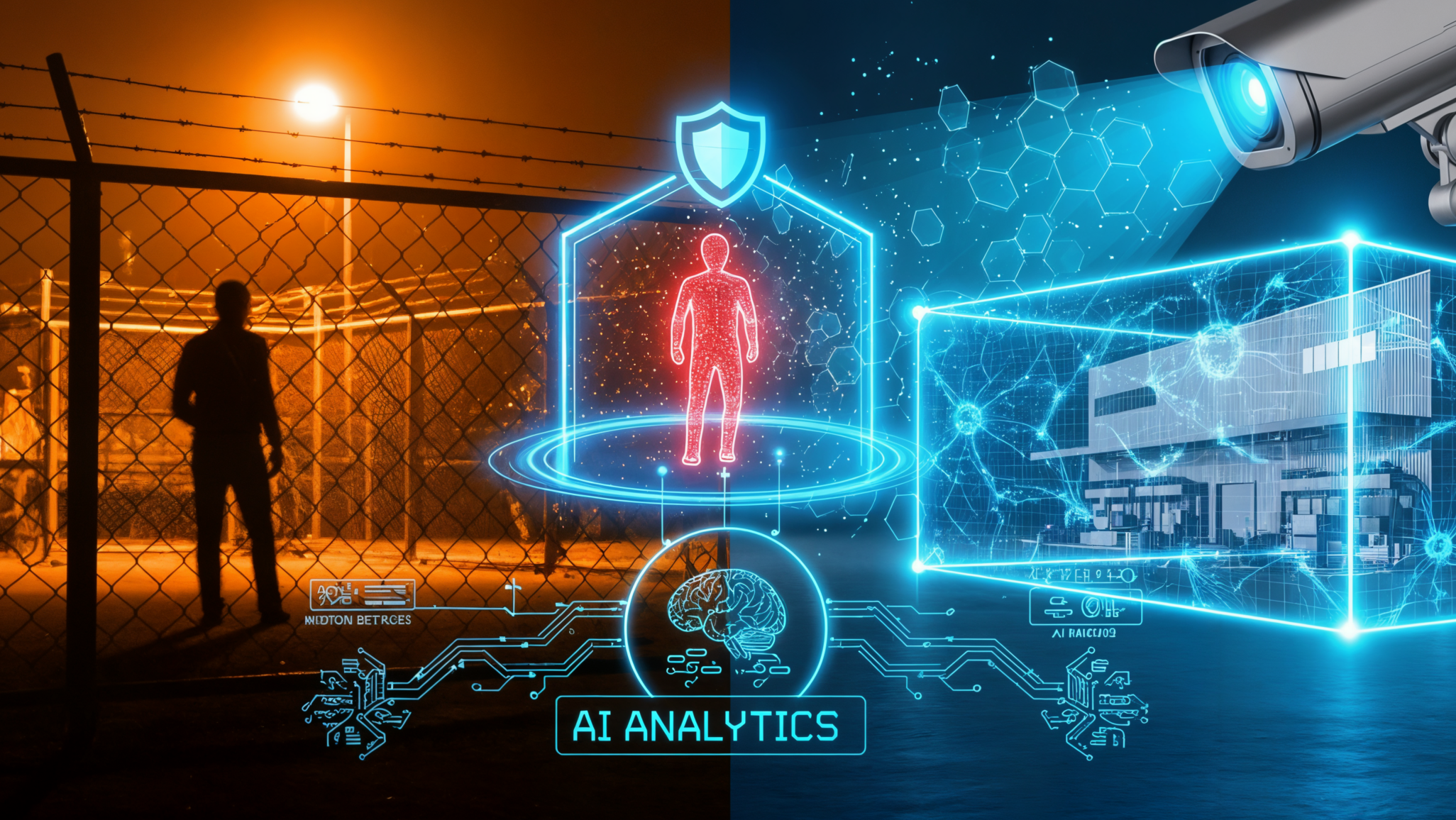
Video Intrusion detection systems (IDS) use sensors, cameras, and AI analytics to detect and deter unauthorized access before it happens. In simple terms, IDS keeps watch for potential intrusions and triggers alerts or deterrent actions in real time, helping businesses prevent break-ins instead of reacting to them.
Every business faces the risk of after-hours theft, vandalism, or trespassing. Whether you manage a warehouse, a plant, or an office park, you know traditional alarm systems often alert you too late. Modern IDS solutions, however, combine intelligent video analytics and remote monitoring to catch suspicious activity early and stop incidents before they escalate.
This article is meant to raise awareness, not provide legal advice. Always consult an attorney for site-specific legal guidance.
In this guide, you’ll learn what intrusion detection really means, how it works, and how modern AI-powered systems can help Alabama businesses strengthen security while cutting costs and improving peace of mind.
Table of Contents
- What Is Intrusion Detection?
- How Modern Intrusion Detection Works
- Video vs. Traditional Alarm Systems
- Key Components of an IDS
- Benefits of AI-Powered Intrusion Detection
- Common Use Cases in Industrial and Commercial Sites
- Best Practices for Implementation
- Choosing the Right Partner
- Turning Security into Strategy
What Is Intrusion Detection?
At its core, intrusion detection means identifying when someone or something enters a protected area without authorization.
Historically, this meant alarm systems that triggered when doors or windows were opened. Today, intrusion detection has evolved into a broader, smarter layer of protection that uses networked video, AI analytics, and 24/7 monitoring to detect real threats, not false alarms.
Think of it as the difference between a smoke detector and a fire marshal. One simply reacts; the other verifies, responds, and prevents escalation.
How Modern Intrusion Detection Works
Modern intrusion detection combines three key layers:
- Detection: Sensors or cameras recognize motion, perimeter breaches, or unauthorized presence.
- Verification: AI software or human operators confirm if the activity is a genuine threat or a false alarm.
- Response: If a verified threat is detected, alerts are sent to security personnel, local authorities, or remote monitoring teams for immediate action.
At Vulcan, these systems often integrate directly with IP video surveillance, so every alert includes visual confirmation with no guessing or unnecessary dispatches.
Video vs. Traditional Alarm Systems
Traditional alarms are reactive; they alert you after someone breaks in. Modern video-based intrusion detection is proactive; it helps stop an incident before damage occurs.
| Feature | Traditional Alarm | AI Video Intrusion Detection |
| Trigger Source | Door/motion sensors | Smart video analytics |
| Verification | None or manual | AI + live operator confirmation |
| False Alarms | Frequent | Significantly reduced |
| Deterrence | Minimal | Visible deterrence (lights, alerts, audio warnings) |
| Response | Reactive | Proactive, visual verification |
| Cost Efficiency | Lower upfront | Lower total cost (no guard payroll) |
When combined with 24/7 monitoring, video intrusion detection replaces the need for expensive on-site guards while increasing situational awareness.
Key Components of an Intrusion Detection System
Every high-performance IDS includes several integrated layers:
- Perimeter Detection: Cameras, thermal sensors, or motion analytics that monitor entry points or fence lines.
- AI Video Analytics: Software that identifies specific movement types, like humans or vehicles, and filters out false positives (like animals or wind).
- Remote Monitoring: Trained security specialists or AI systems that review alerts in real time.
- Automated Deterrence: Audible or visual alarms, two-way audio, or lighting cues that deter trespassers on the spot.
- System Health Monitoring: Tools that help minimize downtime, a key differentiator in Vulcan’s proactive service model.
Benefits of AI-Powered Intrusion Detection
1. Real-Time Threat Detection
AI identifies patterns human guards often miss, such as movement direction, linger time, or object size.
2. Fewer False Alarms
Smart algorithms differentiate between actual intrusions and normal motion, like wind or wildlife.
3. Lower Security Costs
Eliminate the need for physical guards or excessive patrol coverage while maintaining 24/7 protection.
4. Remote Management
Access alerts and live feeds from anywhere, especially valuable for multi-site or large industrial properties.
5. Audit Trail & Evidence
Every incident is recorded, time-stamped, and reviewable for compliance, insurance, or investigations.
6. Predictive Prevention
Advanced analytics identify behavioral patterns, allowing preemptive adjustments before issues escalate.
Common Use Cases
Intrusion detection isn’t one size fits all. Different industries face unique risks and environments that shape how systems are deployed. Below are some of the most common applications and how they help protect critical assets and operations.
- Industrial Facilities: Monitor perimeters, restricted zones, and equipment yards.
- Warehouses: Detect after-hours activity and prevent cargo theft.
- Construction Sites: Stop tool and material theft when crews are off-site.
- Retail Centers: Monitor loading docks, delivery zones, and parking areas.
- Utilities & Energy: Protect substations and infrastructure from tampering or vandalism.
Best Practices for Implementation
To build an effective intrusion detection system:
- Assess the Environment: Identify high-risk zones (entry points, blind spots, remote areas).
- Design with Coverage, Not Quantity: Strategic camera placement is more important than camera count.
- Integrate Video & Analytics: Pair visual data with smart detection for accurate results.
- Establish Response Protocols: Define what happens when a verified alert occurs.
- Monitor Health & Uptime: Use proactive maintenance to help ensure your system is online and recording.
Vulcan’s remote diagnostics platform enables camera health monitoring so problems are often fixed before clients even notice them.
Choosing the Right Partner
Not all security providers specialize in IP video. Many mix alarms, access control, and cameras, spreading expertise thin.
Vulcan Security Systems focuses 100% on IP video. That means every design, installation, and service plan is engineered for clarity, uptime, and legal compliance.
Our proactive service contracts include:
- 24/7 camera health monitoring
- Remote diagnostics and support
- AI-based event detection and alerting
- Flat-rate service with no surprise costs
With Vulcan, clients don’t just install cameras; they gain an intelligent, always-on security partner.
Turning Security into Strategy
Modern intrusion detection isn’t just about stopping break-ins; it’s about creating visibility, reducing liability, and improving operational efficiency.
When your cameras, analytics, and monitoring are integrated into one proactive system, you’re not reacting to security breaches; you’re preventing them.
If your current system feels outdated or reactive, it may be time to upgrade to a smarter approach.
Next Step: Request a Free Security Assessment with Vulcan Security Systems. We’ll review your site, identify vulnerabilities, and design an AI-powered intrusion detection solution tailored to your operations and budget.