Key Things Businesses Overlook in Video Security Systems
Most businesses don’t realize how many gaps exist in their video security until an incident happens. The biggest problems usually aren’t about the cameras themselves. They come from unclear goals, poor placement, and not keeping the system healthy over time.
This guide breaks down the most common things companies miss and how to build a system that actually works when you need it.
Table of Contents
- What businesses miss when setting up video security
- How small assumptions create security coverage gaps
- Why security camera maintenance matters more than most people realize
- Useful video security features many teams don’t know they have
- What happens when a security system isn’t designed or maintained well
- How to build a reliable security system
What Businesses Miss When Setting Up Video Security
Most video systems fail because no clear plan was created before installation. Many older systems were put in by a salesperson who placed cameras where it was easy, not where the business actually needed visibility.
When we visit a site, people often walk us around to show broken or old cameras. But the real question is simple: What do you need to see today? Without a purpose, even good cameras don’t add much value.
Clear Goals Come First
Many systems were installed without understanding what the cameras were meant to accomplish. Before placing a single camera, you need to know the goal. Are you trying to improve safety, prevent theft, reduce workers’ comp claims, or monitor operations?
Each goal changes where cameras should go and what type of equipment is needed.
Empowering the Right Leaders Creates Better Security Outcomes
Video security works best when it’s guided by the people who understand safety and risk. When safety and security leaders take the lead and partner with a knowledgeable expert, they can make informed choices, ask the right questions, and design systems that truly protect their organization.
This collaborative approach ensures that everyone benefits from a more reliable, well-planned security solution.
Understanding the Way the Business Actually Works
Good camera placement is based on how the facility operates. That includes:
- Where high-value items are stored
- How materials and products move
- Where employees work and travel
- Where freight enters and exits
One simple example is documenting outgoing shipments. A single camera placed correctly at a dock door can prevent expensive disputes with customers.
How Small Assumptions Create Security Coverage Gaps
Even small assumptions can lead to big blind spots.
Missing the Most Important Areas
Budgets are real, so you can’t cover everything. Focus first on:
- Main doors and access points
- Areas where injuries are most likely
- Spots where theft can happen quickly
- Locations everyone must pass through
If these areas aren’t covered well, the system won’t help when something goes wrong.
Guessing at Perimeter Risks
Companies often assume they know where a break-in would happen. But terrain, lighting, and accessibility usually tell the real story. Some areas may look like weak points but are actually unlikely entry paths. Others are overlooked entirely.
Understanding true exposure creates stronger protection.
Not Sharing the Real Reason for the Call
The first question we ask is: Why did you call us?
There’s often a specific issue happening right now, but it doesn’t come up until late in the conversation. Knowing the real problem early allows us to design a system that delivers value from day one.
Why Security Camera Maintenance Matters More Than Most People Realize
A camera system only helps if it works at the exact moment you need it. Cameras, storage, and network hardware all fail over time. Without monitoring, you won’t know something is broken until after an incident.
Why Uptime Is Everything
If a camera is down during a theft, accident, or injury, the footage is gone forever. The real cost isn’t the repair. It’s losing the evidence.
The Problem With “Install It and Forget It”
Many businesses install cameras and assume they’ll work for years without attention. That approach leads to missing footage, failed investigations, and frustrated teams.
This is why service contracts exist. A system must be maintained to stay reliable.
Who Should Maintain the System
A company either needs a trained in-house technician or a professional partner. Most organizations don’t have someone dedicated to camera maintenance, which means problems go unnoticed.
A structured maintenance plan keeps the system healthy and trustworthy.
Useful Video Security Features Many Teams Don’t Know They Have
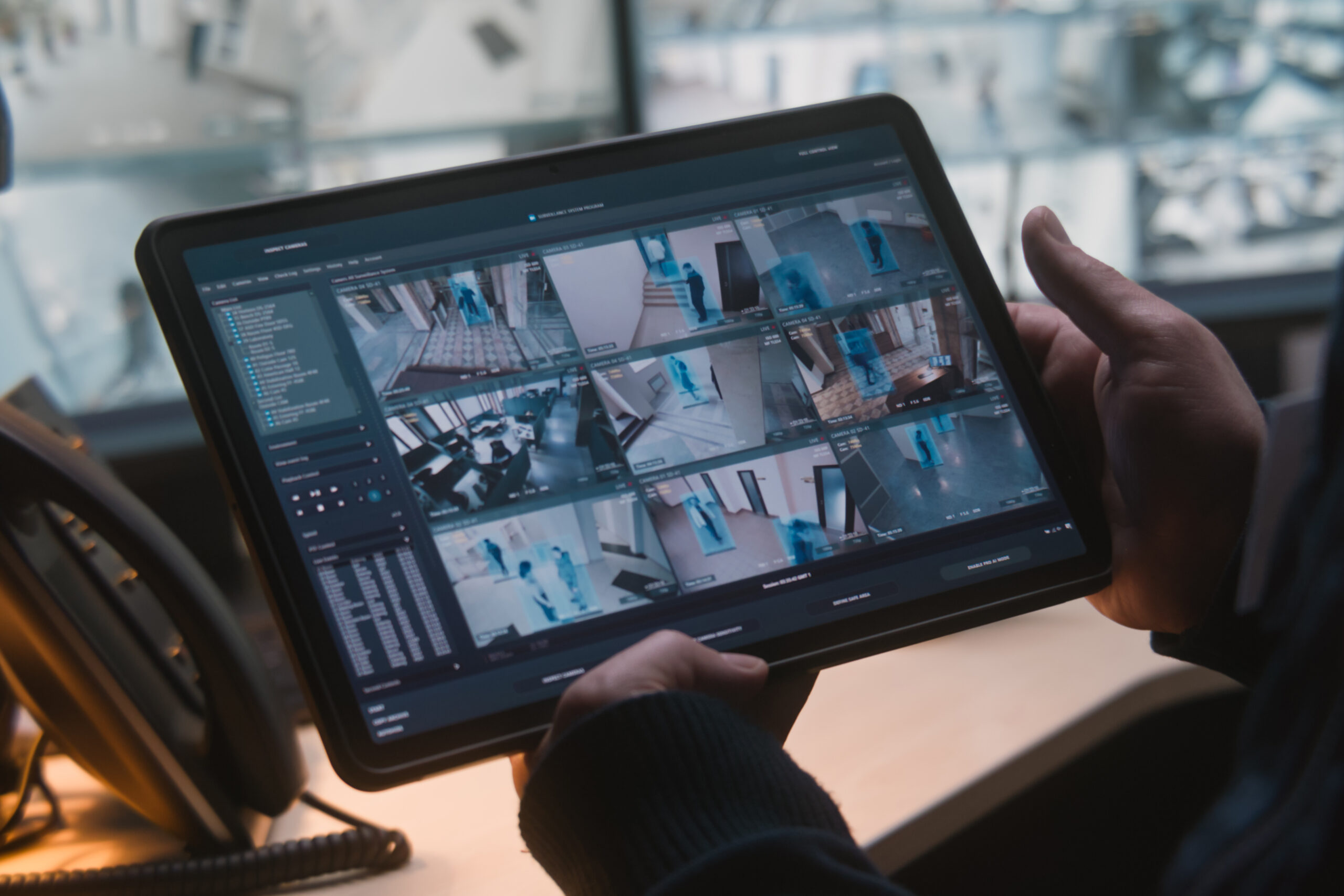
AI-Powered Video Security is one of the most overlooked parts of a modern video system. Many teams don’t realize cameras can automate tasks that used to require manpower.
AI can help with things like:
- Spotting unsafe behavior
- Monitoring restricted areas
- Verifying shipments
- Detecting intrusions
- Tracking workflow issues
Once clients start talking about their pain points, AI often becomes the most efficient answer.
What Happens When a Security System Isn’t Designed or Maintained Well
We’ve seen many cases where a business needed video after an incident, only to find out the camera wasn’t working or wasn’t pointing in the right direction.
The failure didn’t happen during the incident. It happened months earlier when planning and maintenance were ignored.
A system only works if it records the right moment, from the right angle, with a functioning camera.
How to Build a Reliable, Purpose-Built Video Security System
Most video security issues come from the same sources. There was no plan. Cameras were placed based on old layouts. Maintenance wasn’t done. Modern features weren’t used.
When businesses define their goals, take time to understand how their facility works, and stay on top of maintenance, their video system becomes a real asset.
If you want help assessing your current system or designing one that supports your operations, we can walk your site, learn your workflow, and recommend a system that fits your needs.
With the right setup, video security makes your business safer, more efficient, and better protected.