Practical AI Video Security Analytics Applications for Industrial Sites
AI video analytics are everywhere right now, but most of what industrial businesses hear is hype. In 2026, the AI video tools that actually matter are not futuristic concepts or experimental technology. They are practical, proven analytics that reduce risk, improve safety, and prevent costly downtime.
At Vulcan Security Systems, we work with industrial and manufacturing clients who are still mostly asking for “cameras” or “video surveillance.” That’s normal. But part of our job is helping them understand how AI-powered video can do far more than record incidents after the fact.
In this article, we’ll cut through the noise and explain which AI video analytics are worth paying attention to, how they’re really used in industrial environments, and what it takes to make them work reliably.
How Industrial Companies Typically Think About AI Video
Industrial buyers are still focused on cameras, not AI.
When industrial clients reach out, they usually ask for traditional video surveillance. They want coverage, recording, and visibility. AI rarely comes up on its own. When it does, it’s often vague. They know it’s important, but they’re not sure what they should actually be using it for.
That gap between curiosity and clarity is where a lot of value gets missed. AI video analytics work best when they are planned intentionally around safety and operations, not bolted on later as a buzzword feature.
Cutting Through the AI Video Hype
AI only matters if it solves a real problem.
The term “AI video analytics” can be misleading. Analytics sounds like something you do after the fact, reviewing data or reports. In reality, what most industrial sites benefit from is active detection.
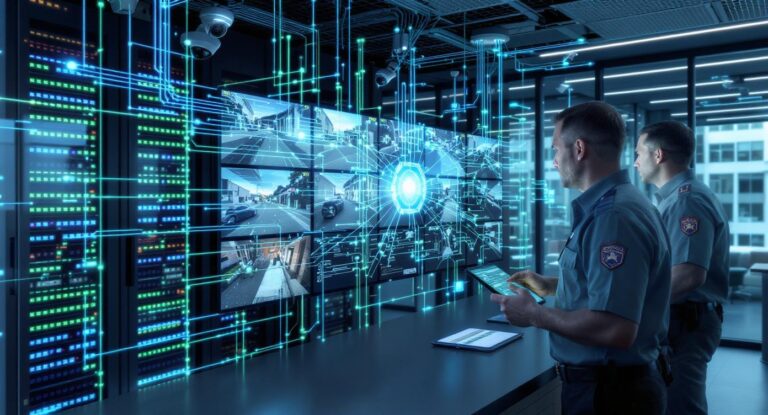
AI-powered video today is about real-time awareness. It detects conditions, behaviors, and changes as they happen and alerts the right people before something turns into an incident.
Some people call it AI. Others call it machine learning or video analytics. For practical purposes, they all point to the same idea. Cameras are no longer just recording devices. They are sensors that can recognize patterns, detect problems, and trigger action.
Life Safety AI Analytics Every Industrial Site Should Prioritize
Start with safety. That’s where AI delivers the fastest and clearest return.
If you’re looking for must-have AI video applications in industrial environments, life safety should be at the top of the list.
PPE compliance detection
One of the most valuable and mature AI use cases is personal protective equipment detection. Cameras can identify whether workers are wearing required gear such as hard hats, safety vests, and eye protection.
This is especially important on construction sites, manufacturing floors, energy facilities, and any environment dealing with extreme heat or hazardous materials. AI helps catch unsafe conditions early, before they lead to injuries, investigations, or shutdowns.
Monitoring high-risk environments
AI video can also be used to monitor areas where mistakes have serious consequences. This includes zones with explosive materials, high temperatures, or dangerous machinery. The goal is not to police employees, but to reduce risk and support safer behavior in real time.
AI Video Analytics That Improve Operational Efficiency
AI can prevent downtime before it becomes expensive.
Beyond safety, some of the strongest ROI from AI video comes from operational efficiency. In industrial environments, downtime is costly, and small issues can escalate quickly if no one notices them early.
Process monitoring and exception detection
AI can watch processes that humans can’t realistically monitor all day. Assembly lines, conveyor belts, and production zones are good examples. The camera isn’t looking for perfection. It’s looking for change.
Real-world example: preventing production shutdowns
One example that sticks out involved an underground coal mine. Coal began piling up on a conveyor belt. At first, it wasn’t a major issue. But over time, the pile grew until it blocked the entire system. The result was days of lost production and manual cleanup.
With AI detection, a camera could have been trained to recognize material entering a defined zone and trigger an alert immediately. That early warning could have stopped the process before it turned into a major event. This is where AI earns its keep. It helps teams fix small problems before they become big ones.
Why AI Can Outperform Human Monitoring
Humans get tired. Cameras don’t.
There’s a reason why AI video works well in industrial settings. People simply aren’t built to watch screens nonstop. Studies have shown that even simple observation tasks break down quickly due to boredom and fatigue.
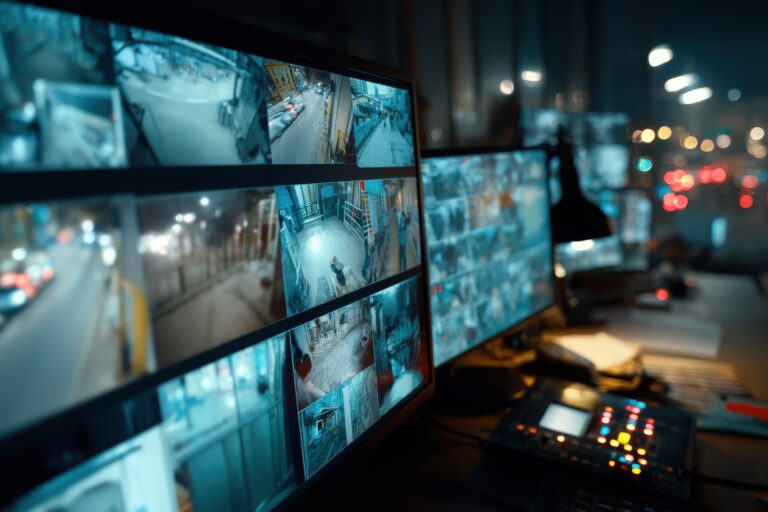
Cameras don’t have that limitation. They can monitor multiple areas at the same time, all day, every day. They don’t lose focus. They don’t miss things because they’re distracted. They can even detect things the human eye can’t, such as heat signatures or subtle movement patterns.
AI isn’t about replacing people. It’s about giving them better information without requiring constant attention.
The Accountability Effect of AI Video Systems
Visibility changes behavior.
There’s another benefit that doesn’t get talked about much, but it’s real. When people know there is visibility, behavior improves. Employees tend to stay more engaged, follow procedures more closely, and avoid unsafe shortcuts.
This isn’t about micromanagement. It’s about accountability. In industrial environments, that accountability often leads to better productivity and safer work habits. Managers notice it. Workers notice it. Operations run more smoothly as a result.
Other High-Value AI Video Analytics for Industrial Sites
Once safety and operations are covered, there are many supporting use cases.
Some additional AI video analytics that are gaining traction include:
Directional movement and line crossing
AI can detect movement in the wrong direction, entry into restricted areas, or unexpected traffic flow. This is useful for controlled access points, secure zones, and safety-critical pathways.
Loitering and after-hours detection
AI can identify lingering behavior in sensitive areas or activity during off-hours. This helps with theft prevention, vandalism reduction, and overall site security.
The key is not to do everything at once. Start with the applications that clearly reduce risk or downtime, then expand from there.
What Makes AI Video Analytics Work or Fail
AI can’t overcome poor planning. AI video analytics are only as good as the system design behind them. You can’t just throw a camera on a wall and expect it to perform miracles.
Camera quality matters
Higher resolution, better frame rates, and proper coverage dramatically improve AI accuracy. Better inputs lead to better results. Low-quality video limits what AI can reliably detect.
Environment and placement matter
Lighting conditions, camera angles, and controlled environments all affect performance. A good example is thermal detection. Trying to measure body temperature across a wide open space with dozens of people rarely works. In a controlled, one-on-one entry point, it can be far more effective.
Intelligent design is non-negotiable
AI is powerful, but it’s not magic. It works best when paired with thoughtful planning, proper placement, and realistic expectations. Good design increases the odds of success. Poor design guarantees frustration.
How Industrial Sites Should Approach AI Video in 2026
AI video analytics are no longer a future concept for industrial environments. They are practical tools that can make sites safer, more efficient, and more resilient when used correctly.
The smartest approach is simple:
- Start with proven safety applications
- Focus on preventing downtime
- Design systems intelligently
- Avoid chasing buzzwords
In 2026, AI video isn’t about replacing people or creating complexity. It’s about giving industrial teams better visibility, earlier warnings, and fewer surprises. When deployed with intention, it pays for itself quickly and quietly in the background, exactly how the best systems should work.