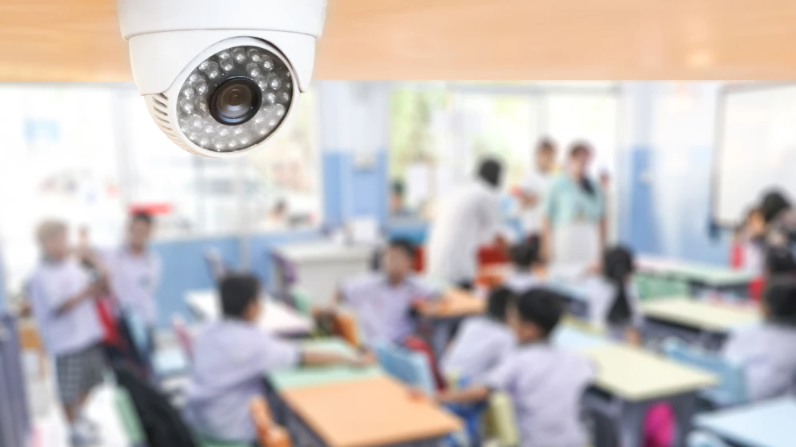
Privacy Concerns in School Video Surveillance
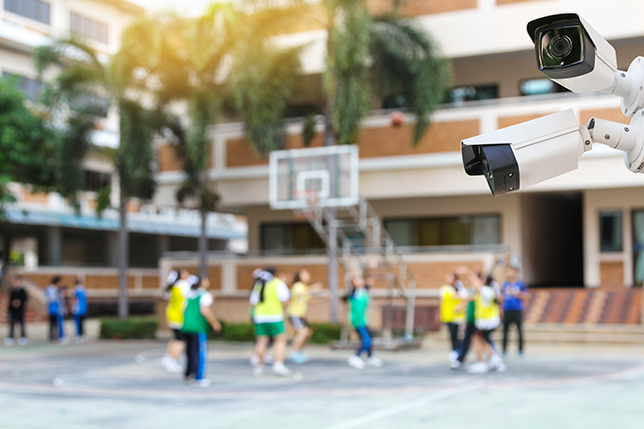
The use of video surveillance in schools can dramatically improve safety, but it also raises legitimate privacy concerns. The central legal and ethical question remains:
Do students, staff, or visitors have a reasonable expectation of privacy?
The answer depends on where cameras are placed, who has access to footage, and how recordings are used. Schools, whether public or private, must balance their duty to protect students with their obligation to respect privacy laws and community trust.
Legal Framework: Public vs. Private Schools
The legality of school video surveillance varies based on the institution’s funding and governance.
- Public schools must comply with constitutional protections and federal privacy laws such as the Family Educational Rights and Privacy Act (FERPA), which restricts access to student-related video footage when identifiable information is present. They must also consider state-level privacy statutes and the Fourth Amendment’s protection against unreasonable searches.
- Private schools, particularly those that are 100% privately funded, have more flexibility but are still bound by general privacy principles. These include avoiding cameras in areas where a reasonable expectation of privacy exists (such as restrooms, locker rooms, and nurse’s offices) and maintaining ethical video use policies.
How Schools Are Using Video Surveillance Systems
School districts and private institutions alike are using video surveillance to enhance campus safety, deter misconduct, and improve accountability.
Common applications include:
- Monitoring entrances, hallways, and parking areas to manage visitor access.
- Supporting investigations of theft, vandalism, or bullying incidents.
- Protecting staff from false allegations through recorded documentation.
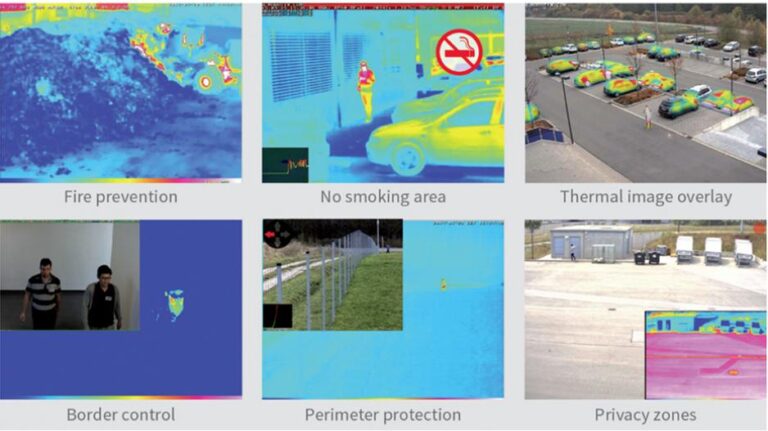
- Integrating AI-based video analytics to detect unusual activity or after-hours trespassing.
Expert Insights: Balancing Deterrence and Trust
Many school administrators report that once surveillance systems are in place, the number of incidents and behavioral issues often declines. While it’s difficult to measure what’s prevented, the deterrence effect is widely acknowledged.
In private institutions, video systems often serve dual purposes: enhancing safety and providing professional protection for educators. For example, one music department implemented cameras to ensure transparency in student interactions and safeguard staff against misunderstandings — an increasingly relevant practice in modern education.
When implemented with care and transparency, surveillance becomes less about oversight and more about assurance, protecting both people and reputation.
Modern Considerations: AI and Smart Video Analytics
Since this topic was first written nearly a decade ago, video surveillance technology has evolved significantly. Modern AI-powered systems now do more than record: they can detect, alert, and analyze activity.
For schools, that means:
- Identifying unauthorized individuals on campus through facial or behavioral recognition (within legal limits).
- Monitoring for safety compliance, like detecting if restricted areas are accessed.
- Recognizing aggressive motion or loud disturbances that could indicate conflict or distress.
While these tools can dramatically improve response times, they also raise new privacy challenges. Schools implementing AI video analytics should:
- Disclose the technology’s use and purpose to staff, parents, and students.
- Limit data collection to legitimate security needs.
- Securely store and restrict access to recordings.
- Regularly review policies to align with evolving laws and community expectations.
Building a Privacy-Conscious Security Plan
Effective school security isn’t about surveillance alone, it’s about trust.
Every school considering or expanding its camera system should develop a clear, transparent video policy that includes:
- Defined purposes for surveillance (safety, security, asset protection).
- Clear notice and signage where cameras are active.
- Strict limits on camera placement and data retention.
- Authorized personnel who can view or retrieve recordings.
- Regular audits of camera use and storage security.
When schools communicate these policies proactively, they reassure families that security and privacy can coexist.
Why It Matters
Video surveillance in schools is no longer optional, it’s expected. But technology must serve students, not monitor them unnecessarily. The most effective systems enhance safety, accountability, and peace of mind without compromising dignity or trust.
At Vulcan Security Systems, we help educational institutions design transparent, high-performing video systems that balance safety with privacy. We’ll assess your current setup, recommend compliant camera placements, and ensure your system aligns with both security goals and privacy standards.
If your school is evaluating video surveillance options or updating its policy for the AI era, schedule a free consultation with Vulcan Security Systems.
Resource list prepared by the Department of Homeland Security relating to school safety: http://www.dhs.gov/school-safety