How to Minimize Downtime with Proactive Camera Maintenance
You minimize camera downtime by maintaining your video surveillance system proactively instead of waiting for failures to show up after an incident.
Most businesses assume their cameras are working because no one has complained. The reality is that video systems fail quietly. Cameras drop offline, recordings stop, or footage becomes unusable long before anyone notices. By the time an incident occurs, the damage is already done.
At Vulcan Security Systems, we work with commercial and industrial clients who rely on video evidence for safety, liability protection, and operations.
In this article, we’ll explain what actually causes camera downtime, why reactive service doesn’t work, and how proactive camera maintenance keeps systems online when it matters most.
What Causes Camera Downtime in the First Place?
Most camera downtime is caused by small, preventable issues rather than major hardware failures.
In modern IP video systems, cameras rarely fail all at once. Instead, problems develop slowly and quietly. A camera might still appear online, but stop recording. A recorder might still be powered on but fail to save footage. Network changes can interrupt communication without triggering obvious alarms.
Some of the most common causes include:
- Network changes, IP conflicts, firewall, or router issues
- Power interruptions or PoE port failures
- Recorder or hard drive degradation
- Camera firmware or configuration errors
- Environmental factors like heat, dust, vibration, or lighting changes
The common thread is that these problems often go unnoticed until someone needs video evidence. That’s when downtime becomes expensive.
Why “Fix It When It Breaks” Doesn’t Work
Reactive service only tells you a system failed after it was already needed.
The traditional approach to video security is simple. Cameras are installed, the system is demonstrated, and service is only requested when something stops working. On the surface, this feels reasonable. In practice, it creates risk.
When an incident occurs and footage is missing, the system may get repaired afterward. But that repair doesn’t recover lost evidence, reduce liability, or change the outcome of the event.
Reactive service often leads to:
- Missed footage during safety or security incidents
- Emergency service calls and rushed troubleshooting
- Higher long-term service costs
- A false sense of security
A system that gets fixed after an incident didn’t protect you. It only confirms the failure.
What Proactive Camera Maintenance Really Means
Proactive camera maintenance checks system health and helps resolve issues before cameras go offline.
Proactive maintenance is not the same as a warranty or occasional inspection. It’s an ongoing process designed to keep cameras, recorders, and networks operating as intended.
In practical terms, proactive camera maintenance includes:
- Monitoring camera and recorder health
- Verifying that cameras are recording correctly
- Checking storage capacity and performance
- Identifying configuration or network issues early
- Addressing problems before they affect coverage
The goal is simple. When an incident happens, the system should already be working, not waiting to be repaired.
How Remote Monitoring Eliminates Most Downtime
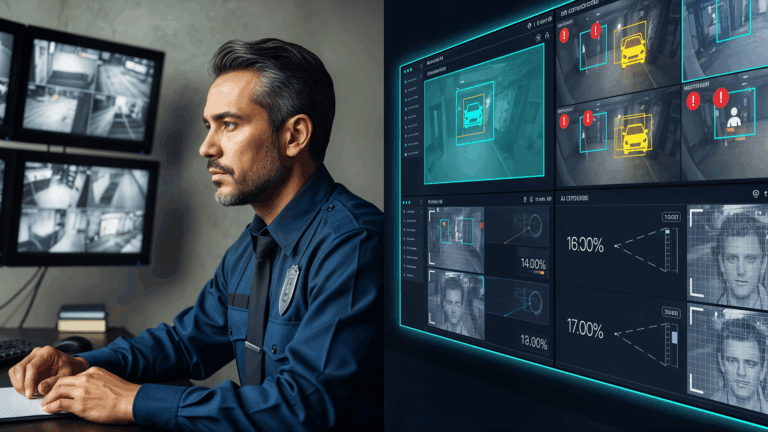
Remote monitoring allows issues to be detected and fixed without waiting for someone to notice or dispatch a technician.
Modern IP video systems can be monitored remotely when they’re designed and supported correctly. This changes how maintenance works.
With remote monitoring:
- Camera dropouts are detected quickly
- Recording failures are identified early
- Network interruptions are flagged
- Many issues can be resolved without an on-site visit
Common remote fixes include restarting devices, correcting configurations, restoring network connectivity, or identifying failing components before they stop working entirely.
This approach reduces downtime because problems are addressed when they are small instead of after they become failures.
Common Failures Proactive Maintenance Prevents
Proactive maintenance helps stop minor issues from becoming system-wide outages. Over time, we see the same preventable problems cause downtime in unmanaged systems.
Proactive maintenance frequently catches:
- Cameras that are online but not recording
- Storage nearing capacity or approaching failure
- Cameras affected by heat, dust, or vibration
- Systems disrupted by ISP or network changes
- Devices showing early signs of hardware failure
These issues rarely trigger obvious alerts. Without proactive oversight, they often remain hidden until footage is needed.
Why Industrial and Commercial Sites Need It Most
Harsh environments increase failure rates and raise the cost of downtime.
Industrial and commercial facilities operate under conditions that stress video systems more than typical office or retail spaces.
Common challenges include:
- High temperatures and temperature swings
- Dust, debris, and airborne particles
- Vibration from heavy equipment
- Humidity or chemical exposure
In these environments, camera performance can degrade gradually. Without proactive maintenance, failures often surface during safety incidents, liability claims, or investigations when reliable footage is critical.
Downtime in these settings isn’t just inconvenient. It creates operational, legal, and financial risk.
Proactive Maintenance vs Emergency Service Costs
Proactive maintenance almost always costs less than reacting to failures.
Emergency service calls are expensive. Labor, travel time, scheduling delays, and operational disruptions add up quickly. A single visit can easily exceed a few hundred dollars.
The larger cost, however, is often missed footage. When video evidence isn’t available during an incident, the consequences can include:
- Increased liability exposure
- Weakened insurance or legal positions
- Unresolved disputes
- Lost operational insight
Proactive maintenance reduces these risks by addressing problems early and minimizing the need for emergency service calls.
Downtime Is Optional
Camera downtime is not inevitable. It’s usually the result of reactive maintenance. Most failures are predictable, detectable, and preventable with proactive oversight.
If your video system is only checked after something breaks, proactive camera maintenance is the fastest way to reduce downtime and risk.
If you’re unsure whether your current system is being maintained proactively, Vulcan Security Systems can help evaluate your setup and identify potential gaps before they become failures.