Proactive School Security with Video Surveillance
K–12 schools continue to adopt professional video surveillance to reduce bullying, vandalism, theft, and after-hours incidents and to improve response when something does happen. Today’s IP video systems are smarter, more reliable, and easier to maintain than ever before.
This article explains how schools use modern cameras proactively, what’s changed since 2016, and how to implement them effectively while respecting privacy.
Modern School Surveillance: Smarter, Simpler, and More Reliable
Video systems have evolved from passive recorders to proactive safety tools.
What’s new in modern school surveillance:
- High-resolution IP cameras: Fewer blind spots, better evidence, and longer hardware life.
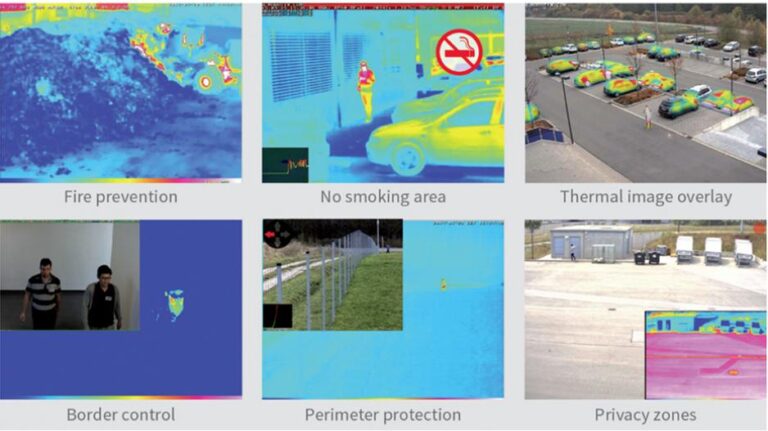
- Intelligent analytics: AI-driven tools detect loitering, trespassing, and crowding before incidents escalate.
- Remote health monitoring: Integrators can see when a camera goes down and often fix it without visiting the site.
- Simplified access management: Administrators and SROs can securely retrieve footage in minutes, not hours.
- Predictable service models: Flat-rate support keeps systems operational year-round without surprise costs.
Schools like York Prep, Trevor Day, and Trinity upgraded security years ago following national safety concerns. Today, similar systems are more powerful, affordable, and essential than ever.
Why private (and charter) schools consider video
No school environment is completely risk-free. Video surveillance provides a constant, impartial layer of protection for students, staff, and visitors.
Common motivations include:
- Deterring bullying and vandalism in high-traffic areas.
- Monitoring entrances and exits to control who comes and goes.
- Improving campus visibility in blind spots or after hours.
- Protecting staff and students from false claims through documented evidence.
- Enhancing operational safety in car lines, hallways, and playgrounds.
When integrated correctly, video complements, not replaces school staff. It empowers them to focus on students while maintaining real-time awareness of what’s happening campus-wide.
Smart, proactive use cases that actually help
The best systems go beyond recording, they detect and respond.
Examples of proactive safety features:
- Loitering and line-crossing alerts: Detect people in restricted zones after hours.
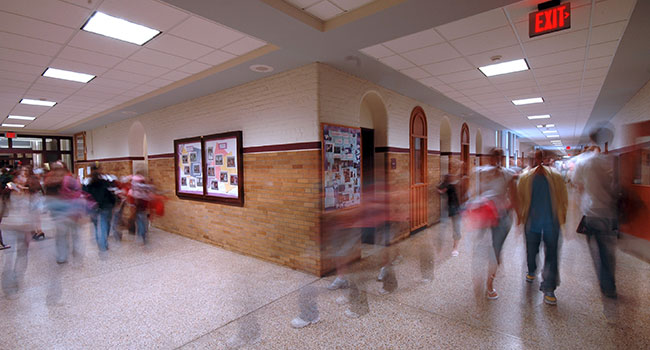
- Crowd detection: Identify congested hallways or unsafe gatherings.
- Perimeter monitoring: Spot trespassing near fences or fields.
- Tobacco or vape area coverage: Discourage misuse near restrooms or courtyards without violating privacy.
- Incident documentation: Support fair investigations in cases involving students or staff.
Some districts explore advanced analytics like behavior recognition and motion tracking. While not every AI feature is perfect, the practical applications like PPE detection, intrusion alerts, and fall detection, are already proving their value.
Buses, car lines, and campus perimeters
Keeping students safe doesn’t stop at the classroom door. Many of the most important security improvements happen in the places students move most: buses, car lines, and around campus perimeters.
- Transportation: Cameras on buses keep students accountable and protect drivers. They provide critical evidence in disputes or disciplinary issues without distracting staff.
- Arrival & Dismissal: Fixed cameras covering parking lots, crosswalks, and entry lanes reduce accidents and clarify liability in minor fender-benders.
- Campus Perimeter: Outdoor cameras protect facilities during nights, weekends, and holidays, when campuses are most vulnerable.
Privacy, policy, and where not to place cameras
Video should enhance safety, not compromise trust. Schools that plan carefully can achieve both.
Privacy best practices:
- Never install cameras in areas with a reasonable expectation of privacy (locker rooms, bathrooms, or changing areas).
- Clearly post signage informing students and visitors that video monitoring is in use.
- Limit access to footage based on staff roles and responsibilities.
- Establish defined retention periods (typically 30–60 days).
- Avoid recording audio unless it serves a clear and lawful purpose.
Transparent policies protect both students and staff, ensuring that video remains a safety tool—not a disciplinary weapon. Read More.
Hardware and service choices that matter
Why Vulcan recommends IP video with proactive service:
- Durability and clarity: Industrial-grade cameras with 6MP resolution and a decade-long lifespan outperform cheaper options.
- Edge analytics: Reliable detection without overloading networks.
- Remote diagnostics: Camera issues are detected and fixed fast, often without a technician visit.
- Flat-rate pricing: Predictable support ensures ongoing reliability and easy budgeting.
When schools partner with experienced providers, the system becomes an extension of their safety plan, not another technology burden.
Building safer schools through proactive video
Safety and education go hand in hand. Modern video surveillance helps schools focus on what truly matters, creating an environment where students and teachers can thrive without fear.
By combining high-quality cameras with intelligent analytics and professional support, schools gain a proactive layer of protection that guards against incidents, clarifies disputes, and strengthens community trust.
At Vulcan Security Systems, we believe safety shouldn’t rely on luck or hindsight. A proactive, AI-powered video system gives administrators confidence that their campuses are always being watched, protected, and supported.
If your school is exploring smarter, more proactive security options, schedule a no-pressure walkthrough with Vulcan Security Systems. We’ll evaluate your current setup and design a system tailored to your campus: transparent, reliable, and built to last.
FAQs for school leaders
Do cameras actually reduce incidents?
Yes. The presence of cameras deters misbehavior, but the greater value is clear evidence and faster resolution when issues occur.
Wired or wireless?
Wired systems remain the most dependable, especially for large campuses. Wireless is used only when wiring isn’t feasible.
Who monitors the cameras?
Most schools don’t need 24/7 staff. Alerts and event-based monitoring allow administrators to focus attention where it’s needed most.
How long should footage be stored?
Most schools choose 30–60 days, extending retention for ongoing investigations.
Can the system replace SROs or hall monitors?
No. It supplements them; giving staff better visibility, faster response times, and verifiable information.