
The Basics of Wireless Video Security Systems
Wireless video security systems are often marketed as a convenient, cable-free solution for keeping properties safe. But for most commercial and industrial operations, “wireless” doesn’t mean what people think it does. In reality, most wireless systems still need a wired power connection and even the fully wireless versions come with trade-offs in reliability, maintenance, and cost.
At Vulcan Security Systems, we want to help business owners, property managers, and landowners understand what’s possible with wireless technology today and where wired systems still provide a clear advantage.
What Is a Wireless Video Security System?
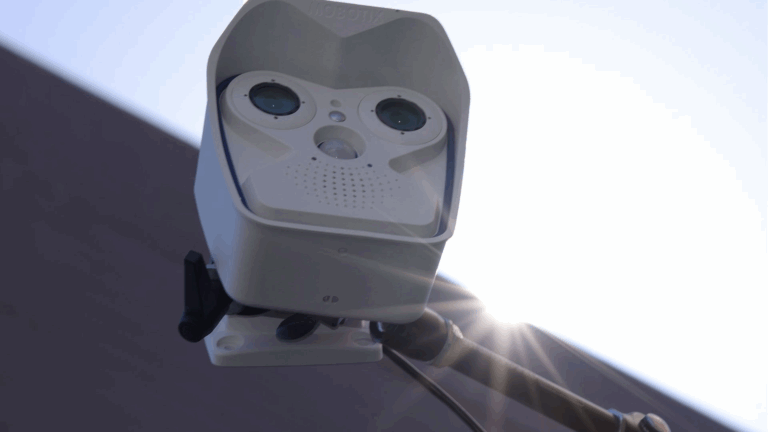
A wireless video security system uses IP (internet protocol) cameras that transmit live video via a wireless network such as Wi-Fi, LTE, or 5G. While the video data travels wirelessly, most systems still require power through a cord connected to an outlet or PoE (Power over Ethernet) injector.
Truly wireless cameras rely on either:
- Battery power, which requires frequent charging or replacement; or
- Solar power, which is sustainable but more complex and expensive to install.
Because high-definition video generates large amounts of data, few wireless systems can deliver consistent, high-quality footage without some form of wired infrastructure.
Commercial Applications for Wireless Surveillance
There are legitimate use cases for wireless surveillance systems in the commercial world, but they’re limited to very specific situations.
Examples include:
- Remote sites such as natural gas wells, construction projects, or rural facilities, where running electrical or network cabling isn’t practical.
- Locations that use solar arrays and LTE/5G data transmission to operate independently of wired infrastructure.
These configurations work, but they come with higher upfront costs for solar power components and recurring expenses for cellular data transmission. For most businesses, a wired IP system remains the most reliable and cost-effective way to achieve consistent, high-quality surveillance footage.
Why We Still Recommend Wired Systems for Most Businesses
For commercial surveillance, warehouses, manufacturing sites, logistics yards, or retail facilities; the priority is clarity, uptime, and dependability. Wired systems powered through Ethernet cables deliver:
- Higher video resolution and frame rates,
- Consistent connectivity without interference,
- Lower long-term maintenance costs, and
- Reliable operation during outages (with battery backup).
If there’s no available power source or no feasible way to run Ethernet cabling, then a solar-powered LTE system may be the only practical option. But it should be treated as a specialized solution, not the default.
Wireless Video Security for Farms, Ranches, and Hunting Lodges
For rural or off-grid properties such as hunting lodges, farms, or ranches, wireless systems can work well if the owner accepts some trade-offs. These setups often rely on point-to-point radio transmitters or solar power and are ideal for monitoring access gates, livestock areas, or remote storage buildings.
The key consideration is budget and reliability. While a wireless system might seem simpler, the long-term upkeep can outweigh the initial convenience.
Residential Wireless Cameras
In the residential market, most wireless cameras connect to a home’s Wi-Fi network. They’re simple and affordable but deliver lower frame rates, reduced image quality, and limited durability. These are fine for small-scale monitoring but not suitable for business-grade security needs.
The Bottom Line
True wireless surveillance systems are still limited. High-quality, high-resolution video requires substantial data transfer, and most Wi-Fi networks simply can’t handle the load over time. For continuous commercial or industrial surveillance, a wired IP video system remains the standard for performance, reliability, and total cost of ownership.
If your Alabama business, farm, or property needs guidance on using wireless IP video security systems, contact Vulcan Security Systems for a free on-site assessment. We’ll help you determine whether wireless is a practical fit or if a wired solution will deliver the dependability you need.