Why the Security Camera Market Is Consolidating: What It Means for Alabama Businesses
The security camera industry is consolidating fast, and most business owners have no idea it is happening until it affects them directly. Large players like Motorola Solutions and Allegion, along with private equity backed roll ups, are buying up camera manufacturers, monitoring companies, and local installers at a pace that has picked up sharply over the past two years. Verkada, the cloud based camera company, was valued at 5.8 billion dollars in December 2025. Meanwhile, independent installers across the country are being absorbed into national platforms one acquisition at a time.
Vulcan Security Systems has stayed independent and Birmingham based through fifteen years of exactly this kind of industry churn, and we install non proprietary hardware specifically so our clients are never trapped if a vendor’s ownership changes. That gives us a direct stake in helping Alabama businesses understand what consolidation actually means for a camera system they plan to run for the next decade.
In this article, we cover what is driving the consolidation, the specific risks it creates for buyers, and how to evaluate a vendor so your system still works the way you expect regardless of who owns the company behind it.
What Consolidation in the Security Camera Industry Actually Looks Like
Consolidation is happening at every layer of the industry, not just at the camera level. Motorola Solutions built out an entire video and access control division through acquisitions including Avigilon, Pelco, Openpath, and Calipsa, and that division grew 14 percent year over year in 2025. Allegion completed nine access control acquisitions in 2025 alone, including a 330 million euro purchase of ELATEC, shifting its business toward subscription software rather than one time hardware sales.
The pattern extends to guard and monitoring services too. Allied Universal made seven acquisitions in 2025 that added roughly 695 million dollars in guard revenue. Pye Barker completed 41 acquisitions across fire, life safety, and monitoring in the same year. GTCR bought ADT’s commercial security business for 1.6 billion dollars and rebranded it Everon. At the same time, AI native platforms like Verkada are scaling fast on venture money, competing for the same commercial buyers Vulcan works with every day.
Hardware options are narrowing from another direction as well. The FCC expanded its restrictions on Hikvision, Dahua, Huawei, ZTE, and Hytera equipment in mid 2026, and the new rules took effect in July. The complication for buyers is that Hikvision and Dahua manufacture the components behind many rebranded budget cameras sold under other names, so a business that thinks it bought an unrelated brand may still be running restricted hardware without realizing it.
The Most Common Risks Consolidation Creates for Alabama Buyers
None of this means every acquisition ends badly for the customer. It does mean buyers need to understand what typically happens after a vendor changes hands, because the risks show up months or years into a contract, not on day one.
Re-Platforming After an Acquisition
Acquired products are typically migrated onto the parent company’s technology stack within 18 to 36 months. Features you relied on can lag, integrations you built your workflow around can break, and pricing frequently resets once the acquired brand is folded into the parent’s contract structure. None of this is announced in advance. It shows up as a support ticket that takes longer to resolve or a renewal quote that looks nothing like last year’s.
Subscription and Cloud Lock-In
Platforms built around a proprietary cloud subscription tie your footage, your camera settings, and often your hardware itself to that vendor’s continued existence and pricing decisions. We cover this in more detail in what it means to own your security system and local versus cloud based security systems, but the short version is that a subscription model built by a company that gets acquired can change in ways you have no say in.
Disappearing Local Support
When a local installer gets absorbed into a national roll up, the technician who knew your building and your camera layout often gets replaced by a regional call center. Response times slow down, and the person answering the phone has never seen your property. For an industrial facility running 50 or more cameras, that change alone can turn a same day fix into a week long ticket queue.
Shrinking Hardware Options
Businesses running restricted or soon to be delisted equipment are being forced to replatform on the FCC’s timeline, not their own. That usually means an unplanned capital expense at the worst possible moment, on top of whatever changes are already happening at the vendor level.
What This Means for Birmingham and Alabama Businesses Right Now
Birmingham has already seen a version of this play out. The city has steadily expanded its Flock Safety camera network, and we cover the backlash that followed, along with two Alabama officer misuse cases, in the Flock camera backlash. The lesson is not about Flock specifically. It is that once your cameras become part of a network you do not fully control, the terms of that arrangement can shift underneath you.
The stakes are rising because Birmingham area businesses are investing in long term infrastructure right now. Coca-Cola Bottling UNITED committed 330 million dollars to its Birmingham operations, and Jefferson County recently approved incentives tied to a 24.5 million dollar capital investment from another company locating in the county. Facilities making that kind of long term commitment cannot afford a security system tied to a vendor whose ownership, pricing, or product roadmap could change twice before the building is paid off.
How to Choose a Vendor That Survives the Next Round of Consolidation
You cannot predict which companies get bought next. You can control how much that matters to your system. Favor non proprietary hardware that any qualified integrator can service, not just the company that sold it to you. Confirm in writing that you own your footage and your equipment outright, not a license to use a vendor’s platform. Ask how long the installer has operated in your market under the same name, and ask directly what happens to your contract, your support, and your pricing if the company is acquired.
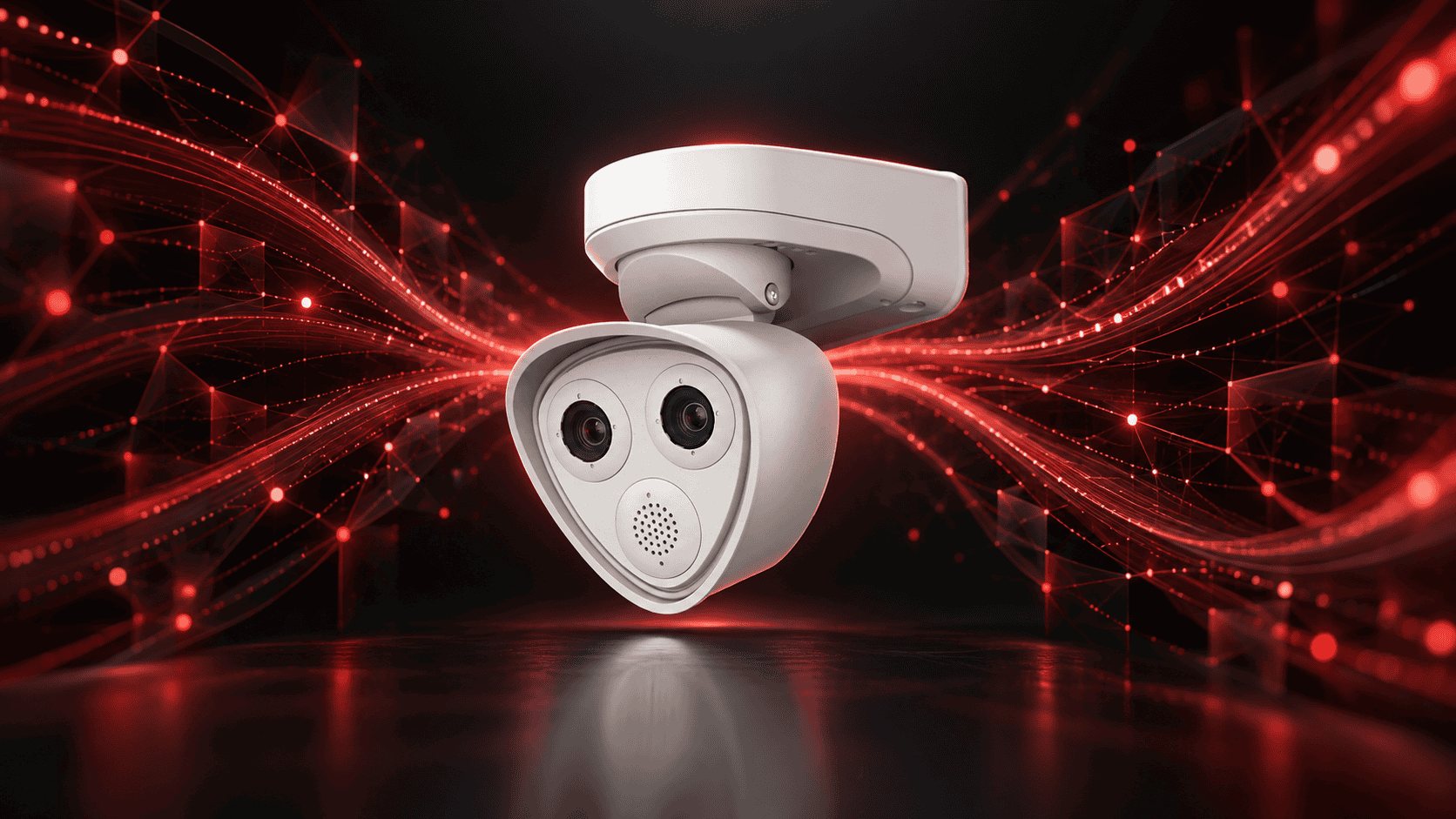
We install Mobotix for exactly this reason. It is a non proprietary, German engineered platform with an average service life close to ten years, and any qualified integrator, not just Vulcan, can service it if that ever becomes necessary. That is a deliberate hedge against exactly the kind of market churn described above.
Questions to Ask Before You Sign With Any Camera Vendor
- Is the hardware proprietary or open? Open hardware means another company can service it if yours is acquired or closes.
- Who owns the footage and the equipment? Get this in writing rather than assuming it is you.
- How long has the company operated locally under its current name? A long, stable track record is a real signal, not a formality.
- What happens to support and pricing if the company is acquired? A vendor with a real answer has thought about this already.
- Does the system depend on a single company’s cloud platform to function? If the platform disappears, find out whether the cameras still work.
Buy the System You Can Keep, Whoever Owns the Vendor Next
Consolidation in the security camera industry is not slowing down, and there is nothing wrong with a vendor growing or getting acquired on its own merits. The problem is a buyer who never asked what happens to their system when that occurs. Alabama businesses investing in cameras today are making a decade long decision. Choosing non proprietary hardware, confirming ownership in writing, and working with a company that has already stayed independent through fifteen years of industry churn is how you make sure that decision holds up no matter what happens in the boardrooms of the companies you did not choose.
If you want to know exactly what you would own, and who could service it, before you sign anything, Vulcan will walk your site and lay out your options with no pressure.
Frequently Asked Questions
Why is the security camera industry consolidating right now?
Large security and access control companies are acquiring smaller manufacturers, monitoring firms, and local installers to expand market share quickly, while venture backed cloud platforms are scaling on outside investment. At the same time, federal restrictions on certain foreign made equipment are narrowing hardware options, pushing more of the market toward fewer, larger suppliers.
What happens to my contract if my security camera vendor is acquired?
It depends entirely on your contract and the hardware you run. If you own non proprietary equipment outright, another qualified integrator can typically continue servicing it. If your system depends on a vendor’s proprietary cloud platform, an acquisition can affect pricing, features, or support with little notice.
Are budget security cameras being phased out in the United States?
Many budget cameras sold under various brand names are manufactured using Hikvision or Dahua components, and expanded FCC restrictions taking effect in 2026 are limiting the sale and support of that equipment. Businesses running affected hardware should confirm their camera’s actual manufacturing origin rather than relying on the brand name on the box.
How can I tell if a camera system is proprietary or non proprietary?
Ask directly whether another licensed integrator, not just your current vendor, could service or expand the system if needed. A proprietary system typically requires the original vendor’s software, cloud account, or hardware ecosystem to function, while non proprietary systems are built on open standards any qualified technician can support.
Does industry consolidation affect pricing for Alabama businesses?
It can. Pricing structures often reset after an acquisition as the acquired brand is folded into the parent company’s contracts and margins. Businesses locked into a proprietary platform have less leverage to push back than businesses running open hardware that other vendors could also service.