How AI Video Surveillance Reduces Liability for Commercial Properties
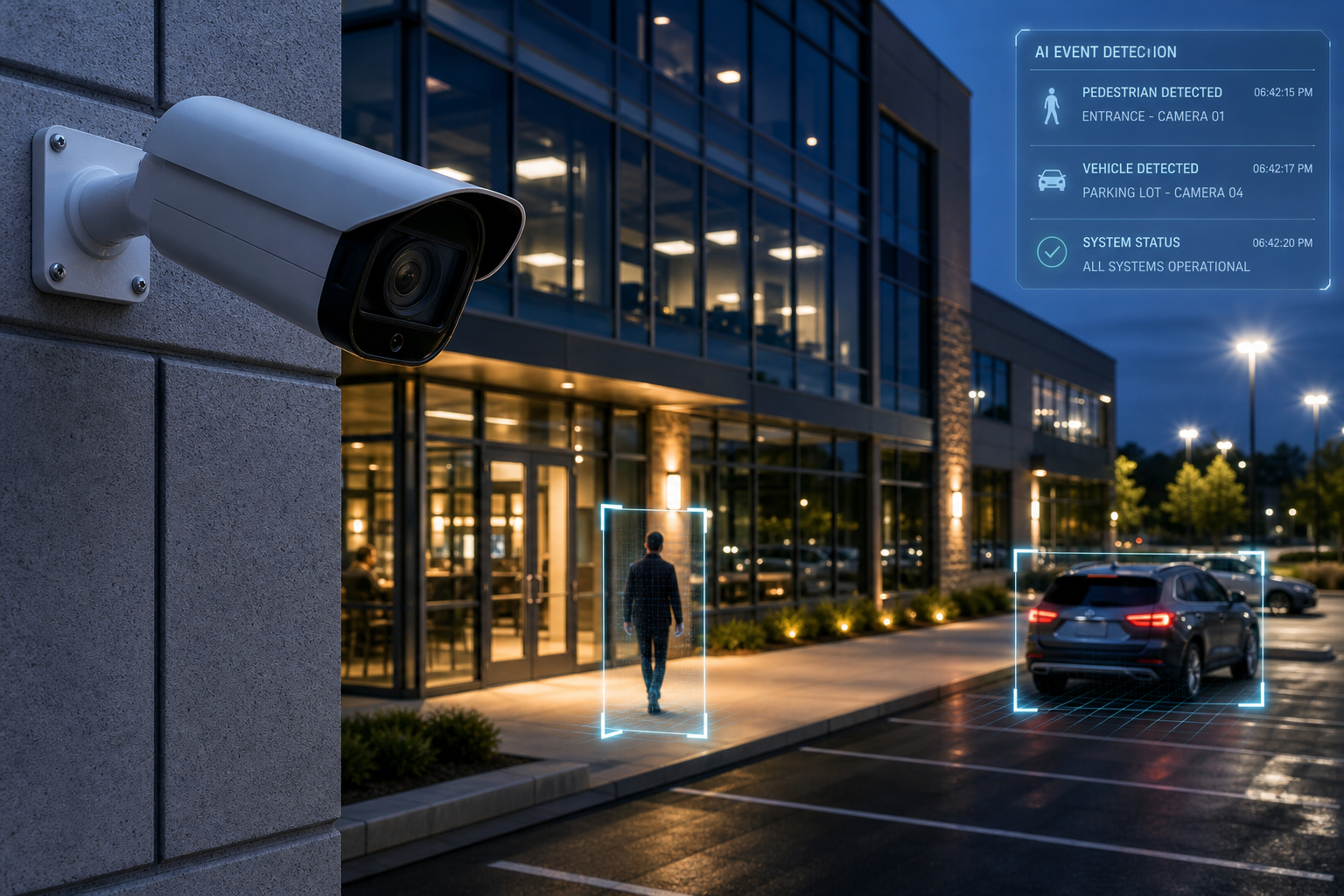
AI-powered video surveillance reduces liability for commercial properties by producing clear, timestamped documentation of incidents before disputes arise. Unlike passive recording systems, AI-enhanced cameras flag relevant events in real time, which means critical footage is identified and preserved rather than buried or overwritten.
Liability exposure rarely announces itself. It shows up as a slip-and-fall claim weeks after the incident, a contractor dispute over damage that no one witnessed, or a theft where the extent of the loss is genuinely unclear. In each case, the outcome depends less on what happened and more on what can be proven.
Vulcan Security Systems designs and installs AI-powered IP video systems for commercial properties across a range of industries. We cover this topic because liability is one of the most practical reasons businesses evaluate video security, and we want to give an honest account of where this technology helps and where it does not.
In this article, we explain how AI surveillance reduces liability exposure, what types of claims it helps address, how documentation holds up in practice, and where the real limitations are.
Table of Contents
- Why Documentation Is the Foundation of Liability Protection
- What Types of Liability AI Surveillance Helps Address
- How AI Surveillance Supports Insurance and Legal Processes
- What AI Surveillance Cannot Do
- What Makes a System Actually Useful for Liability Purposes
- Frequently Asked Questions
Why Documentation Is the Foundation of Liability Protection
Most liability disputes come down to one question: what actually happened? Without documentation, the answer depends on memory, competing accounts, and legal argument. With documented video evidence, facts are established faster and more objectively.
AI surveillance improves on traditional recording in three specific ways:
- Intentional coverage: AI video system design starts with a risk assessment. Cameras are positioned where incidents are most likely to occur, such as entry points, parking areas, loading docks, and high-traffic zones; rather than wherever wiring was easiest.
- Flagged and preserved footage: Standard systems record continuously and require manual review. AI systems analyze video in real time and surface relevant events automatically, reducing the chance that footage is overwritten before anyone pulls it.
- Resolution that holds up: High-resolution IP cameras produce footage clear enough to identify individuals, read license plates, and establish a timeline. Low-resolution analog footage often does not meet the evidentiary standard that insurance adjusters and attorneys require.
What Types of Liability AI Video Detection Software Helps Address
Slip and fall claims
Slip and fall claims are among the most common and costly for commercial property owners. Clear footage showing the actual condition of the premises and the sequence of events makes it far easier to challenge fraudulent claims and resolve legitimate ones without extended litigation.
Altercations and workplace incidents
When a dispute, assault, or behavioral complaint involves employees, customers, or third parties on the property, video establishes who was present, what actions occurred, and in what order. That clarity shortens investigations significantly.
Vehicle incidents in parking areas
Parking lot collisions, hit-and-runs, and disputed fault situations are resolved routinely using exterior camera footage. AI systems with license plate recognition add another layer of documentation by logging every vehicle that enters and exits.
Theft and property damage
Documented access logs showing who was in a given area and when help resolve internal theft investigations, vendor access disputes, and contractor damage claims without protracted back-and-forth. See how intrusion detection systems stop incidents before they escalate.
Trespassing and repeated vandalism
When a property experiences ongoing incidents, documented evidence supports enforcement actions and demonstrates to insurers and attorneys that the property owner took reasonable steps to protect the premises. Active monitoring services add a verified response layer on top of documentation.
How AI Surveillance Supports Insurance and Legal Processes
Insurance underwriters assess risk based on documented exposure. A well-designed, actively monitored video system signals a different risk profile than a facility with outdated or insufficient coverage. Here is how this plays out in practice:
- Underwriting conversations: Some commercial property insurers consider camera system quality and coverage during underwriting. An AI-enhanced IP video system with documented monitoring practices may support more favorable terms, though this varies by carrier and policy type.
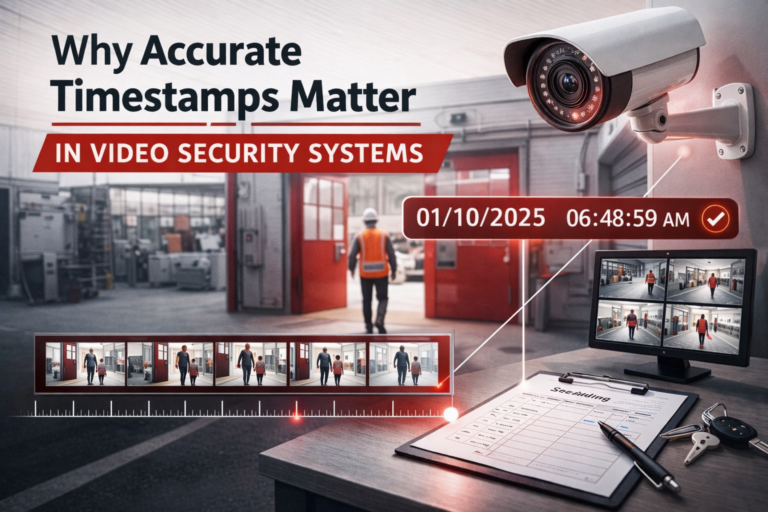
- Faster claims resolution: When an incident occurs, documented footage with clear timestamps shortens the investigation. Fewer questions require back-and-forth between parties, and the facts are typically established earlier in the process.
- Legal proceedings: Video evidence is used regularly in civil litigation. High-quality footage that is properly preserved, authenticated, and timestamped carries meaningful weight in settlement negotiations and in court.
What AI Surveillance Cannot Do
It is worth being direct about the limits here.
- It does not prevent all incidents. Cameras deter some criminal activity, but they are not a physical barrier. Incidents still happen on well-monitored properties.
- It does not replace legal counsel. Video documentation is a tool. How it is preserved, authenticated, and used in a legal or insurance context should involve qualified attorneys.
- It does not resolve every dispute. Some incidents are genuinely ambiguous. Gaps in camera placement, obstructions, and poor lighting conditions all affect what footage actually shows.
What Makes a System Actually Useful for Liability Purposes
Not every camera system provides meaningful liability protection. The difference between a system that holds up and one that fails when it matters comes down to a few specific factors:
- Camera placement aligned with risk: Cameras aimed at general areas rather than specific high-risk zones produce footage that often misses the most important moments.
- Sufficient resolution: Footage that cannot clearly show faces, actions, or license plates has limited evidentiary value. High-resolution IP cameras are the baseline.
- Retention periods that match your exposure: If footage overwrites in 24 hours and an incident is reported three days later, there is nothing to review. Retention policies need to reflect realistic reporting timelines for your property.
- Active monitoring vs. passive recording: A system that flags relevant events in real time is meaningfully different from one that just stores footage. Active oversight increases the chance that documentation exists when you need it.
Vulcan provides free on-site assessments to help commercial property owners identify coverage gaps and design systems built around their actual risk profile. Contact us to schedule a visit.
Frequently Asked Questions
Does video surveillance automatically lower insurance premiums?
Not automatically. Some insurers factor in system quality, but outcomes vary by carrier and policy. Speak directly with your insurer about what documentation or certifications they recognize.
How long should commercial properties retain surveillance footage?
Many properties retain footage for 30 to 90 days. High-risk areas or properties with active incidents may need longer. Your legal and insurance advisors are the right people to consult on this.
Can video evidence be used in court?
Yes. Video footage is used regularly in civil and criminal proceedings. Proper chain of custody and authenticated timestamping support admissibility.
What is the practical difference between active monitoring and passive recording for liability?
Passive recording means someone has to review footage after the fact and hope the right clip was not overwritten. Active monitoring flags events as they happen, ensuring relevant footage is identified and preserved in real time.