Thermal Camera Applications for Recycling and Waste Management Facilities
Recycling facilities, waste management operations, and scrap yards face two persistent risks: fire and theft. Thermal cameras have become one of the most effective tools to mitigate these challenges, helping operators detect fire hazards before they ignite and spot intruders that traditional video surveillance might miss.
In this blog, you’ll learn how thermal cameras reduce fire risk, prevent theft, and provide a reliable layer of protection for high-liability industrial sites.
Why Fire Is a Constant Risk in Recycling Facilities
Flash fires are a major hazard in recycling and waste management operations. Hot spots inside stored materials can smolder undetected and then burst into flames with little to no warning.
The truth is: advance warning signs are always there. The challenge is detecting those signs before visible smoke or flames appear. That’s where thermal technology makes the difference.
Thermal Cameras Can Detect Hot Spots
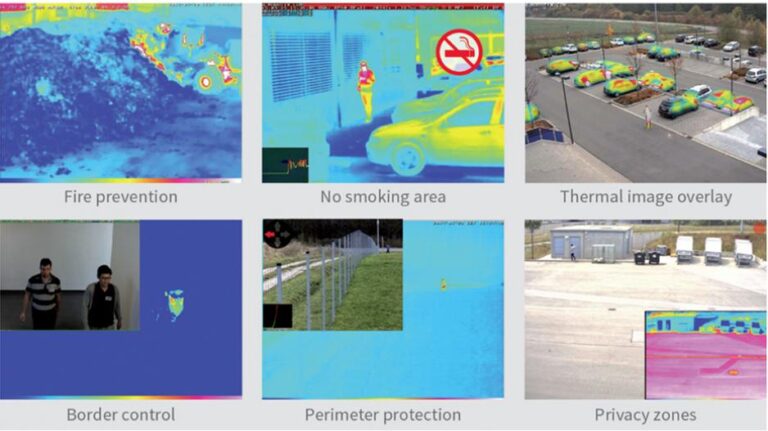
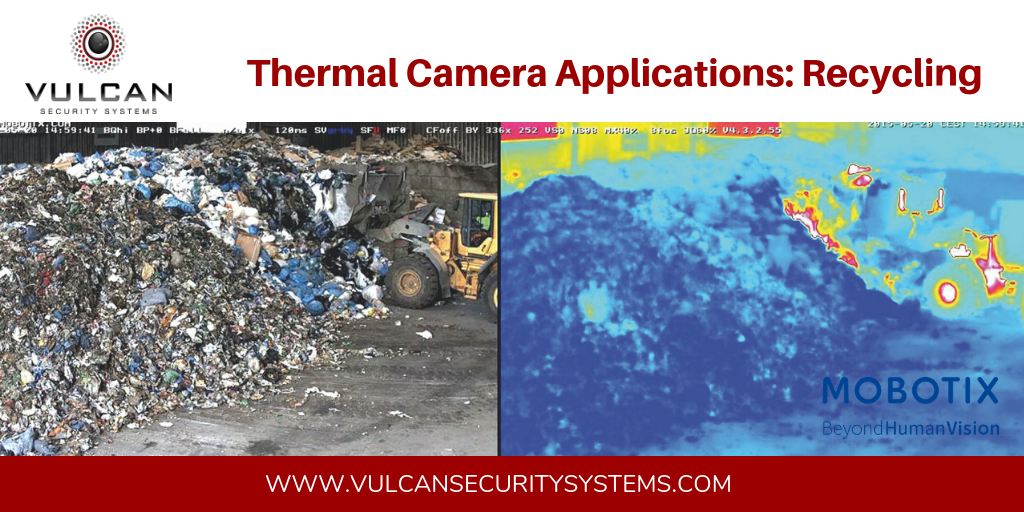
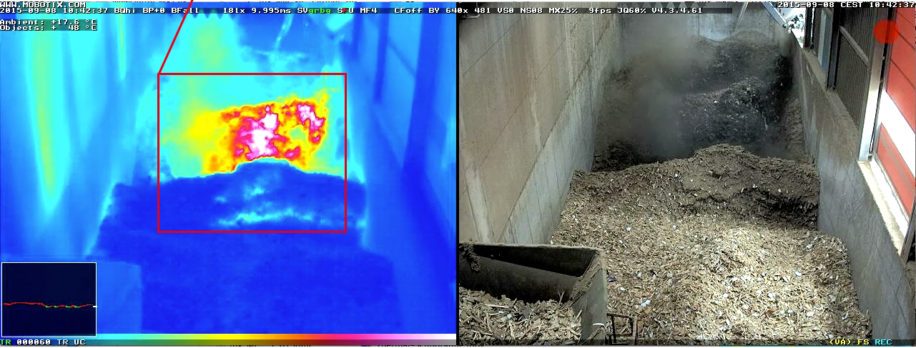
Thermal cameras with radiometry sensors continuously scan piles of waste and scrap for temperature anomalies. They detect hot spots that the human eye or a standard optical camera cannot see.
For example, if a pile of recycling material begins heating up, a thermal camera can detect the temperature rise and automatically generate an alert. This gives facility managers the time to take action, often hours before a fire would have otherwise erupted.
Key Benefit: Early detection reduces downtime, prevents catastrophic loss, and protects employees working on-site.
Can Cameras Trigger Fire Suppression Systems?
Mobotix thermal cameras can be integrated with automated systems that respond to defined conditions. This means that when a hot spot is detected, the camera can:
- Send an alert to a facility manager or safety officer
- Notify remote monitoring personnel for verification
- Trigger connected systems such as alarms or sprinklers
Important clarification: While cameras can be configured to activate suppression systems (such as spraying flame retardant), Vulcan does not configure cameras to directly trigger fire suppression. Instead, we recommend integration with alerting protocols that ensure human oversight before suppression systems engage. This avoids false activations while still providing rapid response.
Mobotix thermal cameras can be configured to work with cannon systems to spray fire retardant through remote manual activation or automated activation based on predefined trigger conditions.
Mark Heintzman, Business Development Manager for Mobotix Americas.
Using Thermal Cameras to Prevent Theft of Materials at Scrap Yards & Recycling Facilities
Scrap yards are prime targets for theft. Traditional cameras often struggle due to:
- Constantly shifting piles of material
- Large perimeters that exceed standard optical camera range
- Poor lighting conditions at night
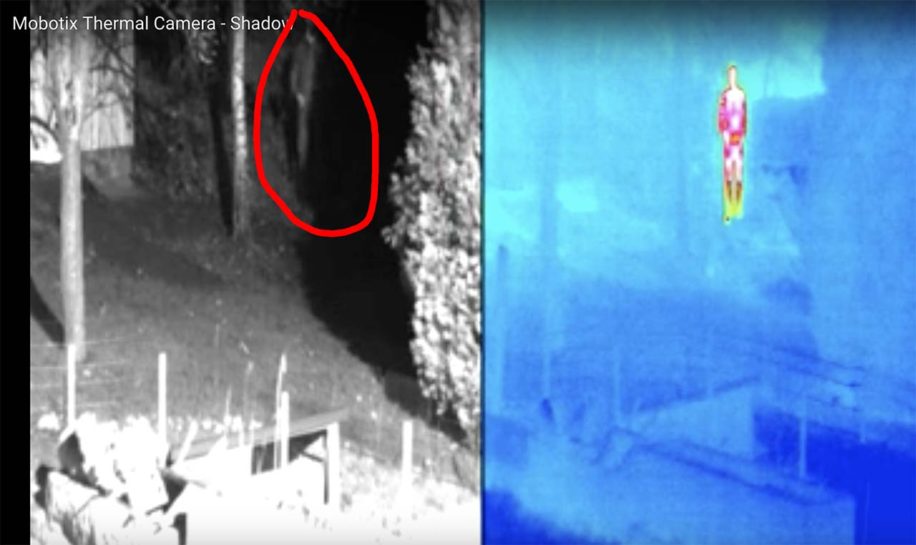
Thermal cameras solve these problems. They don’t rely on lighting and can detect human heat signatures even in complete darkness. A Mobotix thermal camera, for instance, can identify intruders from up to 400 meters away.
Once a person is detected, the system can:
- Alert on-site security personnel
- Send real-time notifications to a remote monitoring center
- Escalate to law enforcement if needed
Advantage: Unlike standard optical cameras, thermal cameras see what thieves can’t hide—heat.
Why Vulcan Recommends Mobotix Thermal Cameras
At Vulcan, we deploy German-engineered Mobotix thermal cameras because of their unmatched durability and accuracy. Unlike lower-cost systems, Mobotix cameras are built for industrial environments and offer:
- High resolution and thermal radiometry for accurate detection
- Decentralized intelligence (Linux-based OS inside each camera) for edge processing
- 10+ year lifespan, compared to the 5-year industry average
- Seamless integration with AI-powered analytics and remote monitoring
This means fewer service interruptions, fewer false alarms, and a system that consistently protects your operation.
Why Every Recycling and Waste Facility Should Consider Thermal Cameras
Thermal cameras are one of the most effective tools available to recycling facilities and scrap yards facing the constant risks of fire and theft. By detecting hot spots before they turn into flames, and by identifying intruders that traditional video cameras often miss, they provide a level of protection that standard surveillance simply can’t match.
In industries where downtime is costly and safety is non-negotiable, having this proactive technology in place is more than a security upgrade, it’s risk management at its core.
If your facility is still relying on manual inspections or traditional video alone, now is the time to strengthen your defenses. Vulcan can design and install a thermal camera solution tailored to your operation, fully supported with 24/7 monitoring and remote diagnostics. That means fewer surprises, fewer service disruptions, and greater peace of mind.
At Vulcan Security Systems, we don’t just provide cameras, we deliver always-on, always-supported solutions that keep your people safe and your business running without interruption.
Thermal Camera FAQ for Recycling & Waste Facilities
Do thermal cameras work during the day as well as at night?
Yes. Unlike standard cameras, thermal imaging does not rely on visible light. Whether it’s pitch dark or broad daylight, thermal cameras detect heat signatures—making them effective 24/7.
How far can thermal cameras detect intruders?
Industrial-grade Mobotix thermal cameras can detect people up to 400 meters away, even in total darkness or through challenging weather conditions like fog or smoke.
Can thermal cameras replace fire detection systems?
Not entirely. Thermal cameras provide early warning by identifying hot spots before fires start, which makes them an excellent complement to fire safety systems. However, they are not a replacement for code-required fire alarms or suppression systems.
Will thermal cameras reduce false alarms?
Yes. By detecting heat signatures instead of relying on motion or light, thermal cameras drastically reduce false alerts caused by shadows, headlights, or weather conditions.
How much do thermal cameras cost?
A professional-grade thermal camera installation often costs up to $2,500 per unit, with service and monitoring contracts around $25 per camera per month. Costs vary based on site size, number of cameras, and monitoring requirements.
Do you install and support these systems?
Absolutely. Vulcan handles design, installation, and ongoing support—including remote diagnostics and proactive service. Our clients often find we resolve issues before they even know a camera has gone offline.