Why Late-Night Retail and Restaurants Face Unique Security Risks
The last hour before closing is not just another hour on the schedule. Cash drawers are heavier, staff counts are lower, and the parking lot outside has usually gone dark. Retail stores and restaurants that treat closing time the same way they treat a Tuesday afternoon are leaving their biggest exposure unaddressed.
Vulcan Security Systems designs video security for retail and restaurant locations across Alabama, and closing shift protection is one of the most common gaps we find during a site walk. In this article, we cover what changes about a retail or restaurant property after dark, the risks that show up specifically around closing, and what a security system built for that window actually looks like.
Why the Risk Profile Changes After Dark
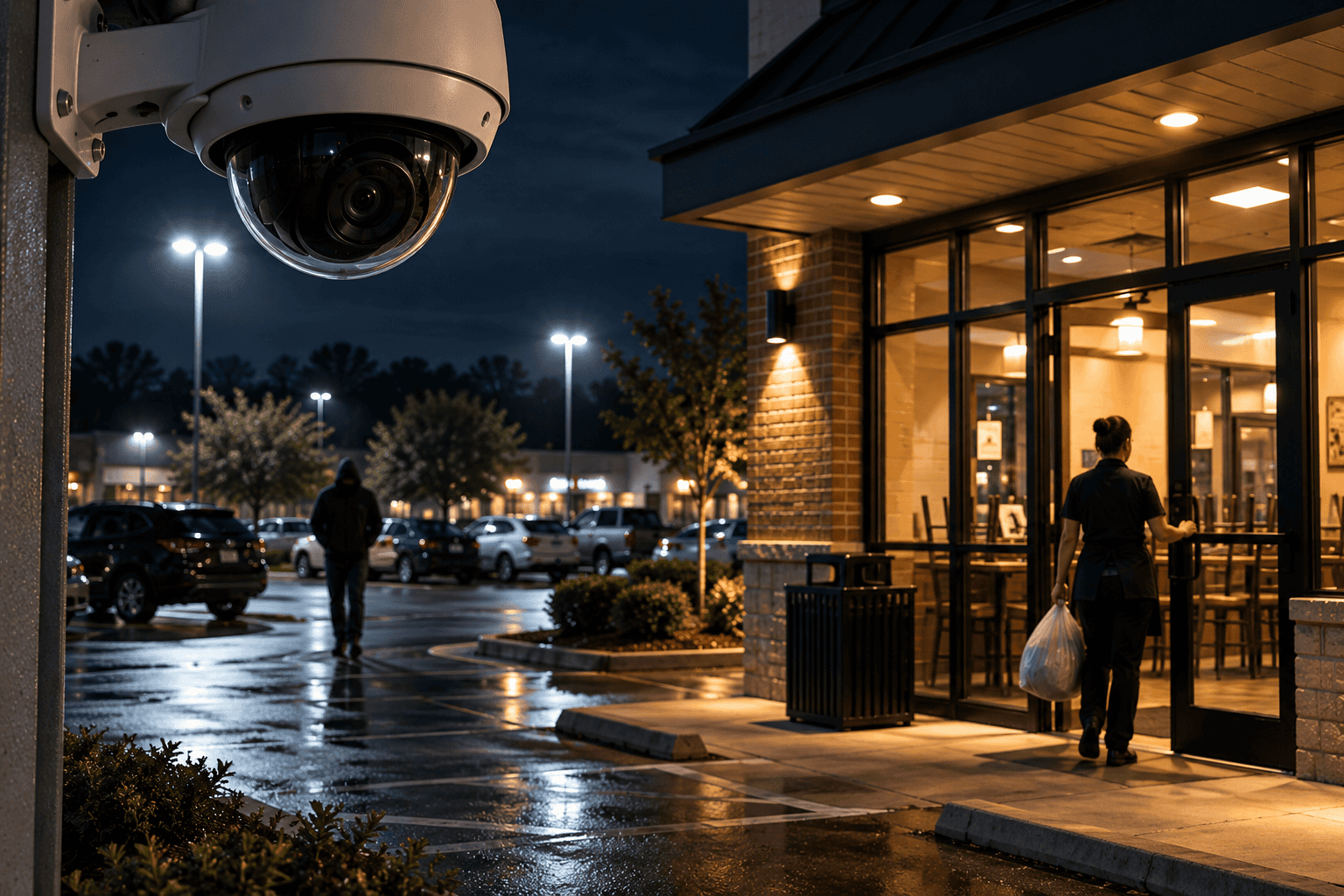
A retail store or restaurant during business hours has natural protection built in. Customers are coming and going, staff are spread across the floor, and anyone with bad intentions has to act in front of witnesses. Closing time removes almost all of that protection at once. The last customers leave, most of the staff clock out, and the people who remain are focused on closing tasks instead of watching the door.
That combination, fewer people, more cash on hand, and less attention on the entrance, is exactly the window that opportunistic and planned incidents target. Anyone who has watched a location for a few nights can predict almost to the minute when the lights dim and the last employee walks to their car.
The Most Common Late-Night Risks
Cash-Handling Exposure at Closing
Register counts, safe drops, and bank deposit prep all tend to happen in the final closing window, often in a back office with the door propped or unlocked for convenience. That is precisely the moment and the location where cash exposure is highest and staff attention is lowest.
Reduced Staff Coverage
A restaurant or retail location that runs with a dozen staff during a dinner rush might close with two or three people on site. Fewer people means fewer eyes on the front door, the back door, and the parking lot at the same time.
Isolated Exits and Back Doors
Employees taking out trash, loading a delivery, or walking to a car at close often use a back or side door that sits away from street visibility. These are the same doors that see the least camera attention in a lot of standard installations.
Limited Visibility From the Street
Once the storefront lighting drops and the sign goes dark, a passerby or a patrol car has almost no way to see what is happening inside. Whatever protection foot traffic and visibility provided during the day disappears entirely.
What Standard Daytime Security Misses at Night
Most retail and restaurant camera systems are designed and mounted with daytime coverage in mind. They cover the sales floor, the registers, and the main entrance well enough, but many were never tested against how dark the parking lot gets or whether the back door area has usable light at all. A system that looks complete on paper can still leave the exact hour that matters most under-covered.
Recording alone is also not protection. A camera that only stores footage for later review does nothing to stop an incident from happening in real time. It simply documents it after the fact, which matters for a police report but does not keep an employee safer in the moment.
What Effective Late-Night Protection Looks Like
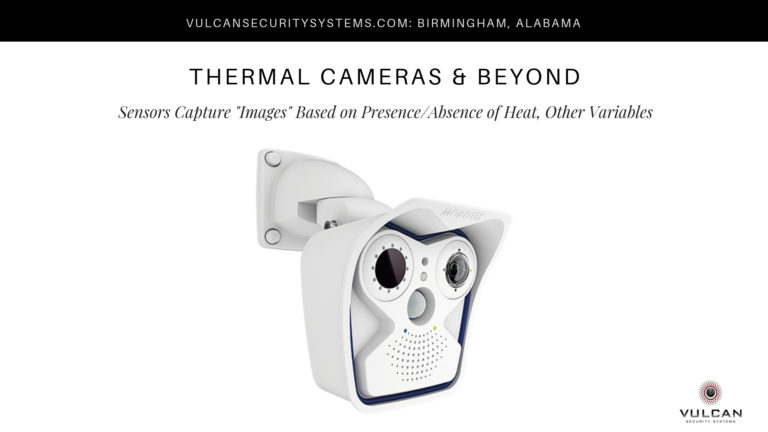
Effective closing-shift protection starts with coverage that is actually designed for low light, not daytime settings left running after dark. Infrared cameras at every exterior door and along the path employees walk to their vehicles remove the guesswork that comes with poor lighting.
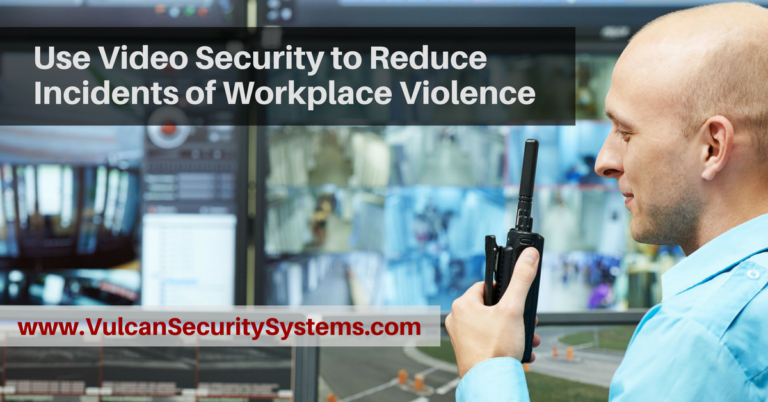
Detection has to be paired with a live response. 24/7 monitoring gives a trained operator the ability to watch closing procedures in real time, issue a live audio warning if someone is loitering near an exit, and contact law enforcement immediately if a situation develops instead of waiting for someone to notice it the next morning. We cover why exterior coverage by itself is not the same as full protection in why exterior cameras alone don’t protect late-night employees.
What to Evaluate for Your Closing Shift
- Camera coverage at every exterior door, not only the front entrance.
- Usable low-light or infrared image quality in the parking lot and back-of-house areas.
- Live monitoring during closing hours, not recording alone.
- A clear procedure for cash handling that keeps staff away from isolated, low-visibility areas.
- A tested plan for what staff should do if someone follows them toward a door at close.
Closing Time Deserves Its Own Security Plan
The last hour of a retail or restaurant shift carries a different risk profile than the rest of the day, and a security system that does not account for that difference is only half finished. Purpose built low-light coverage paired with live monitoring turns closing time from the most exposed part of the day into the part that is actually watched the closest.
Vulcan designs video security systems built around how Alabama retail and restaurant locations actually operate, including the closing shift. We will walk your property and show you exactly where the gaps are.
Frequently Asked Questions
Why is closing time the highest-risk part of the day for retail and restaurant locations?
Staff counts drop, cash handling activity increases, and visibility from the street disappears once storefront lighting goes dark. That combination of fewer witnesses and more exposure is what makes closing time different from the rest of the business day.
Do exterior cameras alone cover a business during closing?
Not on their own. Exterior cameras help with deterrence and evidence, but without live monitoring and coverage of interior points like back offices and exit hallways, a business still has real gaps during the closing window.
What is the biggest camera mistake retailers and restaurants make for nighttime coverage?
Using daytime camera settings and placement after dark. A camera that performs well in daylight can produce a nearly useless image at night without infrared or low-light capability suited to the location.
Can live monitoring actually stop an incident before it happens?
In many cases, yes. A monitoring operator who sees someone loitering near an exit or approaching an employee can issue a live audio warning through the camera speaker, which interrupts a large share of incidents before they escalate.
What should staff do if they are being followed toward an exit at closing?
Staff should have a clear, practiced procedure, such as not exiting alone, staying in a well-lit and camera-covered area, and having a way to alert monitoring or management immediately if something feels wrong.