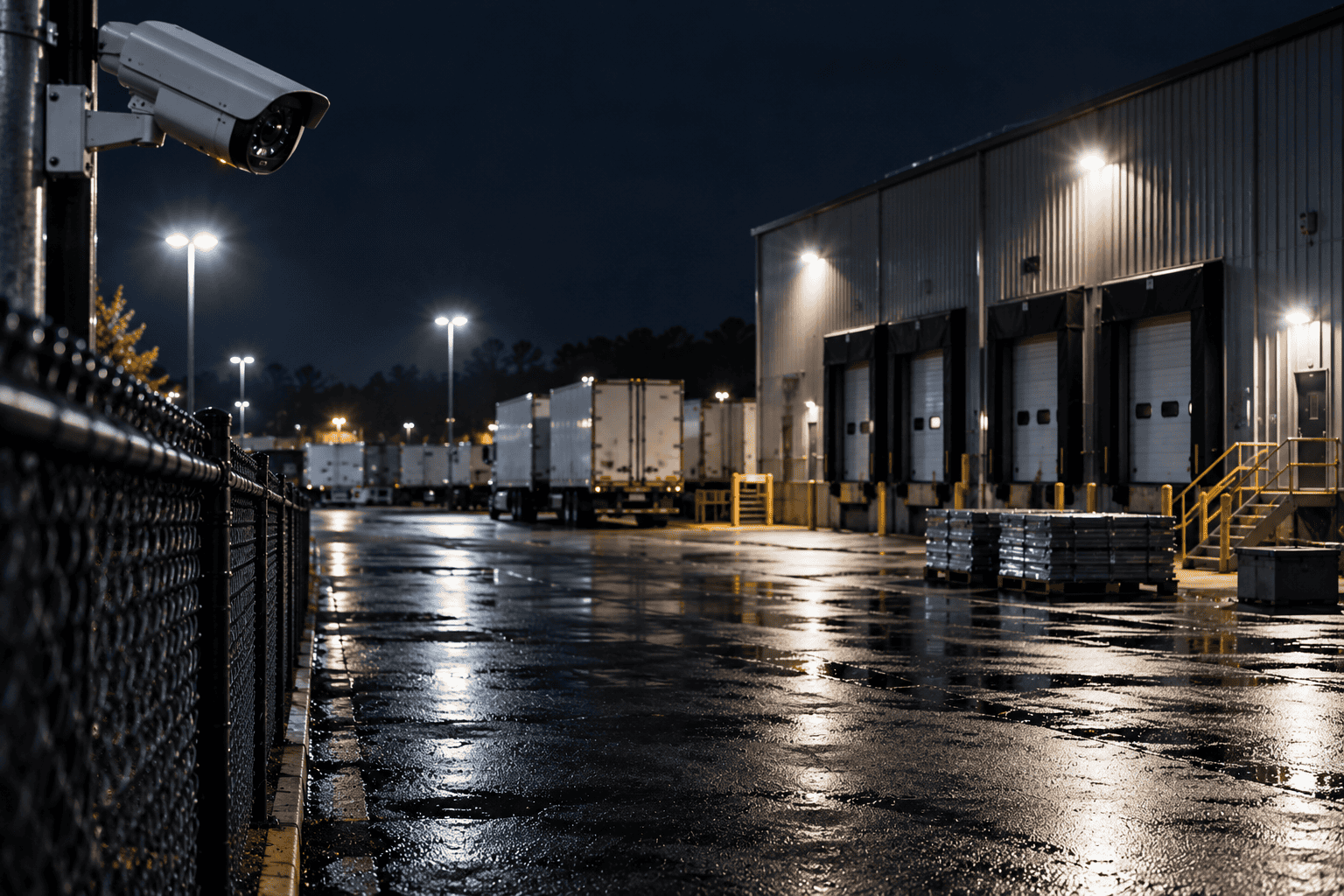
Why “After-Hours” Security Requires a Different Approach
A lot of businesses treat after-hours security as the same system running with fewer people around. In reality, the risks that show up after dark are different in kind, not just in volume, from the risks a business faces during the day. Designing after-hours protection as a smaller version of daytime security leaves the gaps that actually matter unaddressed.
Vulcan Security Systems designs security for businesses across Alabama that operate, or sit unattended, outside normal hours. This article covers what actually changes once the lights go off, why that requires a different design approach, and what a system built specifically for after-hours risk needs to include.
Daytime Security and After-Hours Security Are Not the Same Problem
During business hours, a property has natural protection built in. Employees are moving throughout the space, customers are present, and anyone attempting something disruptive has to act in front of witnesses. Once a business closes, all of that natural protection disappears at once, and whatever risk remains has to be caught by the system itself rather than by people simply being present.
That is a fundamentally different job than watching a busy sales floor or lobby, and a system tuned for daytime activity is not automatically tuned for the specific threats that show up when the building is empty or nearly empty.
What Changes When the Lights Go Off
No Witnesses
During the day, a customer or coworker is usually within sight of almost every point on a property. After hours, that is rarely true, which means detection has to come from the system itself rather than from someone simply noticing something wrong.
Slower Human Response Times
A daytime incident often gets an immediate human reaction because staff are already present. After hours, the only fast reaction available is whatever the security system and its monitoring team can provide, which makes live detection and live response far more important than they are during business hours.
Different Lighting and Camera Requirements
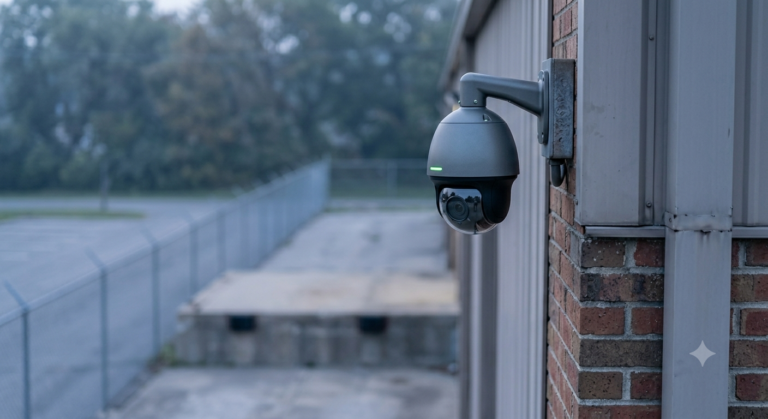
Cameras configured for daytime clarity often perform poorly after dark unless they are specifically built and set up for low-light or infrared conditions. A camera that looks perfectly adequate during a daytime walkthrough can produce an unusable image once the sun goes down.
Different Threat Types
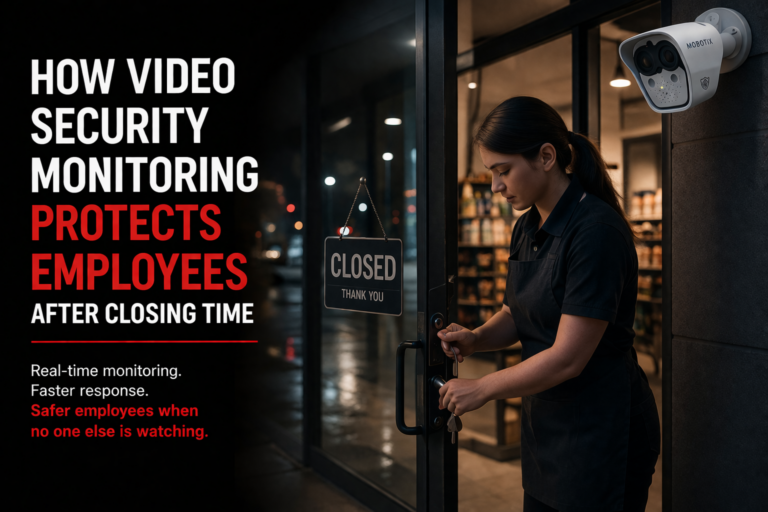
The specific risks that show up after hours, forced re-entry at closing, loitering around a vehicle lot, or an intrusion into an empty building, are simply not present in the same way during business hours. A system designed around daytime shoplifting or lobby monitoring is not automatically equipped to catch these patterns.
What an After-Hours-Specific System Includes
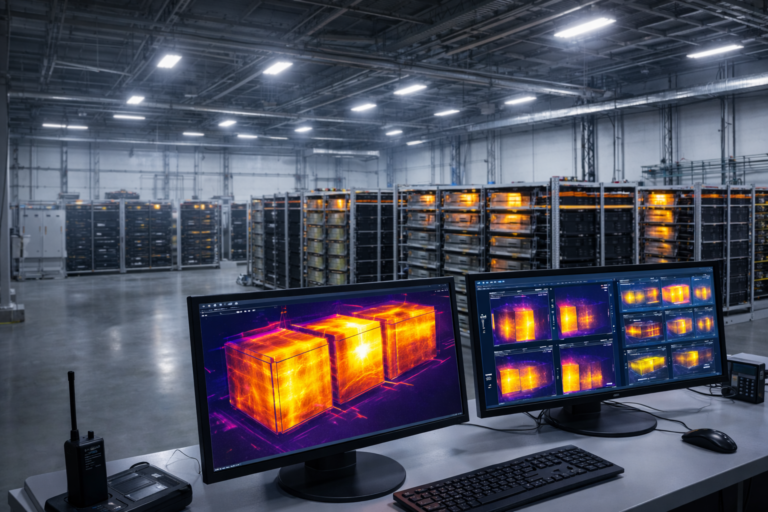
An after-hours system needs coverage that actually performs in low light, not daytime settings left running after dark, paired with AI-powered surveillance tuned to detect the specific patterns that matter overnight, loitering, tailgating, and unauthorized entry into zones that should be empty.
None of that detection creates value without a live response behind it. 24/7 monitoring is what turns a detected event into an actual intervention, whether that is a live audio warning or an immediate call to law enforcement. We cover exactly how that response works in how monitoring centers respond during a forced re-entry situation, and we cover the specific overnight risks facing vehicle lots in how AI video monitoring protects vehicles parked overnight.
Common Mistake: Treating After-Hours as a Smaller Version of Daytime Security
The most common mistake we see is a business assuming its existing daytime system automatically covers the night simply because the cameras keep recording. Recording is not the same as detecting, and detecting is not the same as responding. A system built only for daytime visibility can leave a business with hours of unusable overnight footage and no real-time response capability exactly when both matter most.
What to Evaluate in Your After-Hours Coverage
- Whether cameras are specifically configured for low-light or infrared performance, not just daytime clarity.
- Whether the system can detect after-hours-specific patterns like loitering, tailgating, and unauthorized zone entry.
- Whether live monitoring is active during the actual hours the business is most exposed.
- Whether there is a documented, tested response plan for after-hours alerts.
- Whether maintenance checks account for nighttime performance specifically, not just daytime uptime.
After Hours Is Not Off Hours
The hours a business is closed are not a lower priority version of the hours it is open. In many cases they carry more risk, not less, simply because the natural protection of people being present disappears entirely. A security system designed specifically around after-hours conditions, rather than one that simply keeps running after the lights go off, is what actually closes that gap.
Vulcan designs security systems around the hours your business is most exposed, not just the hours it is open. We will walk your property and show you what changes after dark.
Frequently Asked Questions
Isn’t after-hours security just daytime security with fewer people watching?
No. The threats that show up after hours, such as forced re-entry at closing or loitering around a vehicle lot, are different in kind from daytime risks, and they require detection and response capabilities a daytime-focused system may not have.
Will our existing cameras work fine at night if they work well during the day?
Not necessarily. Many cameras are effectively configured, intentionally or not, for daytime conditions and produce a much less usable image once light levels drop, unless they are specifically built and set for low-light performance.
What is the single biggest gap in most after-hours security setups?
The most common gap is having cameras that record but no live monitoring behind them, which means detection happens without any real-time response until someone reviews footage later.
Does after-hours protection require different equipment, or just different settings?
It often requires both. Camera hardware suited for low light, along with AI detection features and settings tuned for overnight patterns, typically outperforms daytime equipment left running unchanged after dark.
Is this relevant for small businesses, or mainly larger facilities?
It applies to any business with hours it is closed or lightly staffed, regardless of size, since the underlying risk, reduced human presence, applies just as much to a small storefront as it does to a large facility.