How Long Does a Security Camera System Last?
Most security camera systems last between 5 and 10 years, though the exact number depends on environment, usage, and build quality. A camera mounted indoors in a climate controlled space will usually outlast one bolted to an outdoor wall facing direct sun and rain. The hardware matters, but so does where and how it gets used, and how consistently the system gets maintained over time.
We install and support video security systems across Alabama, so we see the full range, from cameras still running strong after a decade to ones that failed within two years of installation.
This guide walks through the specific factors that determine how long your system will actually last and what you can do to get the most out of it.
The Factors That Determine Lifespan
Environment
Heat, humidity, dust, UV exposure, and direct sun all accelerate component degradation. Alabama’s climate is particularly demanding on outdoor hardware. A camera in a covered, climate controlled environment will typically outlast an identical unit mounted on an exposed south-facing wall by several years. This is not an argument against outdoor cameras. It is an argument for selecting hardware with appropriate ratings for those conditions and mounting it thoughtfully to minimize unnecessary exposure.
IP ratings matter here. A camera rated IP67 or IP68 is fully sealed against dust and water submersion, while a camera rated IP44 or IP65 provides significantly less protection under sustained outdoor conditions. Most commercial-grade IP video cameras carry IP66 or IP67 ratings as a baseline.
Build Quality
Sensor quality, housing materials, seal integrity, and internal component grades make the biggest difference in how long a camera lasts under real conditions. We broke this down in detail in the real lifespan of a security camera and why cheap costs more. Better components simply hold up longer under the same environmental stress, and the gap between commercial grade and budget hardware is significant when you measure it over five to ten years.
Usage Patterns
A camera recording continuously at maximum resolution works considerably harder than one using motion triggered recording at a moderate quality setting. Higher continuous workloads put more strain on the image sensor, the processor, and the internal storage or transmission components. More constant workload tends to compress the usable lifespan of both the camera hardware and the recording system behind it.
Storage and Recording Hardware
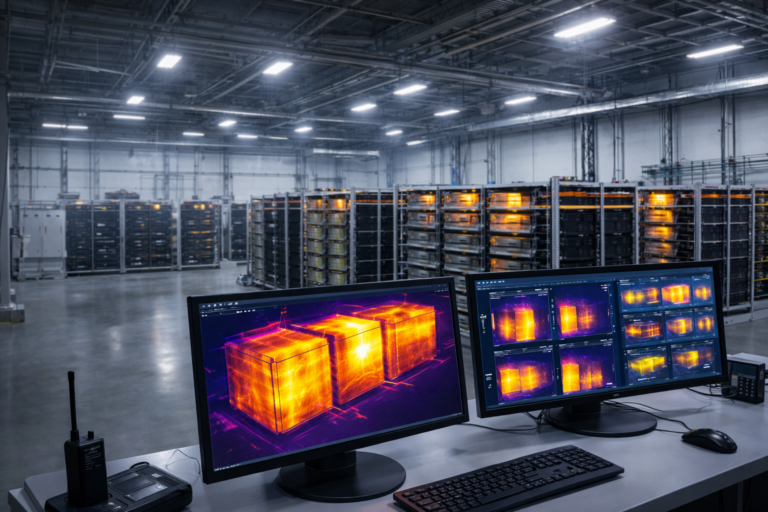
The cameras are only one part of the system. Network video recorders, hard drives, and solid state storage devices all have their own service life, and it is often shorter than the cameras themselves. Hard drives in particular are mechanical components under constant write load, and they are frequently the first thing in a camera system to require replacement. Planning for storage hardware on its own maintenance cycle, separate from the cameras, prevents surprises.
Maintenance and Firmware Support
A system that receives regular firmware updates and proactive maintenance tends to run longer and more reliably than one left untouched until something fails. Manufacturer support windows also matter. Once a manufacturer stops releasing firmware for a camera model, that camera’s vulnerability to known exploits begins to grow, and its useful security life starts winding down regardless of whether the hardware still functions.
A proactive service maintenance plan that includes firmware management, connection checks, lens cleaning, and seal inspection extends usable lifespan and catches early warning signs before they become failures. We expand on why this matters for camera longevity in the real lifespan of a security camera.
Manufacturer Engineering and Support Track Record
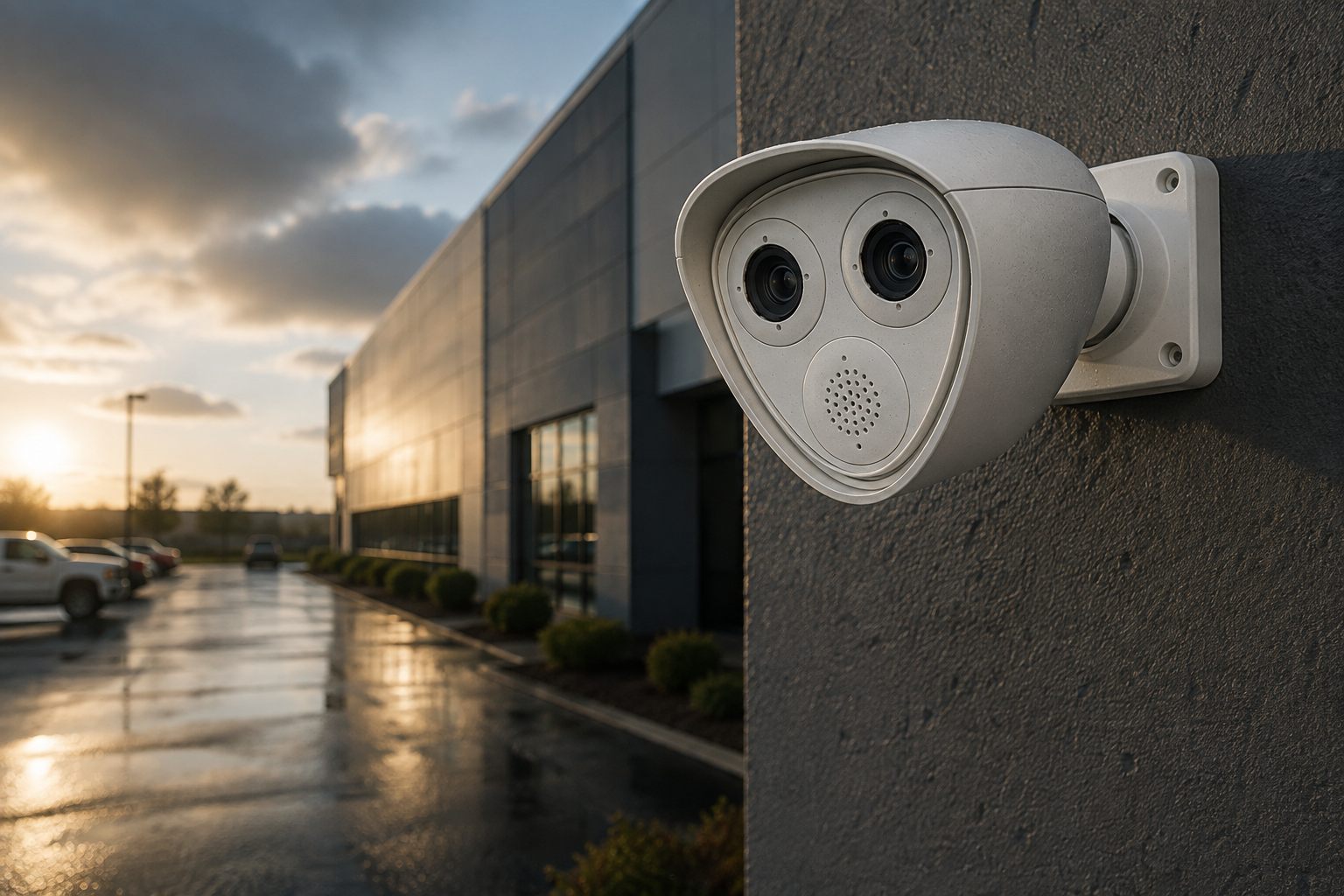
Some manufacturers are built specifically for long service life in demanding commercial and industrial conditions. Hardware designed for light duty consumer or small business use ages out faster under the same exposure. We use Mobotix specifically for this reason, and we go deep on their lifespan numbers and engineering approach in how long Mobotix cameras last. Their track record in demanding environments is a core part of why we specify that hardware for Alabama businesses.
Signs Your System Is Nearing the End of Its Useful Life
- Footage quality has noticeably declined even though resolution settings have not changed, often a sign of sensor degradation.
- The manufacturer no longer releases firmware updates for your camera model, which means known vulnerabilities stop getting patched.
- Replacement parts or compatible components are becoming harder or more expensive to source.
- You are experiencing more frequent connection drops, offline cameras, or system restarts than you used to.
- Night performance has diminished noticeably, which often indicates IR illuminator degradation before total hardware failure.
How to Get More Years Out of Your System
- Schedule regular maintenance checks rather than waiting for something to fail visibly.
- Keep firmware updated as soon as patches are released, not on a reactive schedule.
- Protect cameras from direct sun exposure and unnecessary moisture contact during installation planning.
- Plan for storage hardware to need replacement before the cameras do, and budget for it accordingly.
- Review manufacturer support status periodically to know when a model approaches end of life.
Protecting Your Business Means Protecting Your Equipment
There is no single answer to how long a security camera system lasts. Five to ten years is a realistic range for a well built system in reasonable conditions, but environment, build quality, usage load, and maintenance all push that number meaningfully up or down. The businesses that get the most out of their systems are the ones that plan for maintenance from the start rather than treating the cameras as set and forget hardware.
If you want a real estimate of how much life is left in your current system, Vulcan can walk through your hardware, environment, and maintenance history and give you a straight answer.
Frequently Asked Questions
How long do outdoor security cameras typically last?
Outdoor cameras exposed to heat, direct sun, and moisture often have shorter lifespans than indoor units, sometimes by several years, depending on housing quality and mounting conditions. Commercial grade outdoor cameras with IP67 or IP68 ratings hold up significantly better than consumer grade hardware in those conditions.
Does recording in high resolution shorten a camera’s lifespan?
It can. Continuous high resolution recording puts more load on both the camera processor and the storage system, which may compress the useful life of both compared to motion triggered recording at a lower bitrate. The trade off between resolution and longevity is worth factoring into how you configure the system.
How often should a security camera system be replaced?
There is no fixed replacement schedule. Decisions should be based on performance, available firmware support, and physical condition rather than age alone. A well maintained commercial system in a reasonable environment can often run beyond ten years without requiring full replacement.
Do storage devices need to be replaced more often than cameras?
Often, yes. Hard drives and network video recorders under constant write load typically wear out on a shorter timeline than well built cameras. Storage hardware should be tracked on its own maintenance schedule rather than assumed to match the camera lifespan.
What happens when a manufacturer stops supporting a camera model?
The hardware continues to function, but it stops receiving security patches. Over time, known vulnerabilities accumulate without fixes, which affects both cybersecurity posture and the camera’s useful life as a secure component of your system. End of manufacturer support is a meaningful milestone to track.