After-Hours Employee Safety: How Video Monitoring Prevents Forced Re-Entry Robberies
Most robbery prevention advice focuses on the moment a business is open. Locks, alarms, and cameras on a secured building matter, but a large share of the most dangerous incidents happen at the exact moment a door is not secured, when an employee is opening up or closing down and someone forces their way in behind them. Protecting employees during that specific window takes a different approach than protecting a closed building.
Vulcan Security Systems designs after-hours protection for businesses across Alabama with this exact threat in mind. This article explains what a forced re-entry robbery actually is, why it is different from a typical break-in, and how video monitoring specifically prevents it rather than just documenting it afterward.
Understanding the Forced Re-Entry Threat
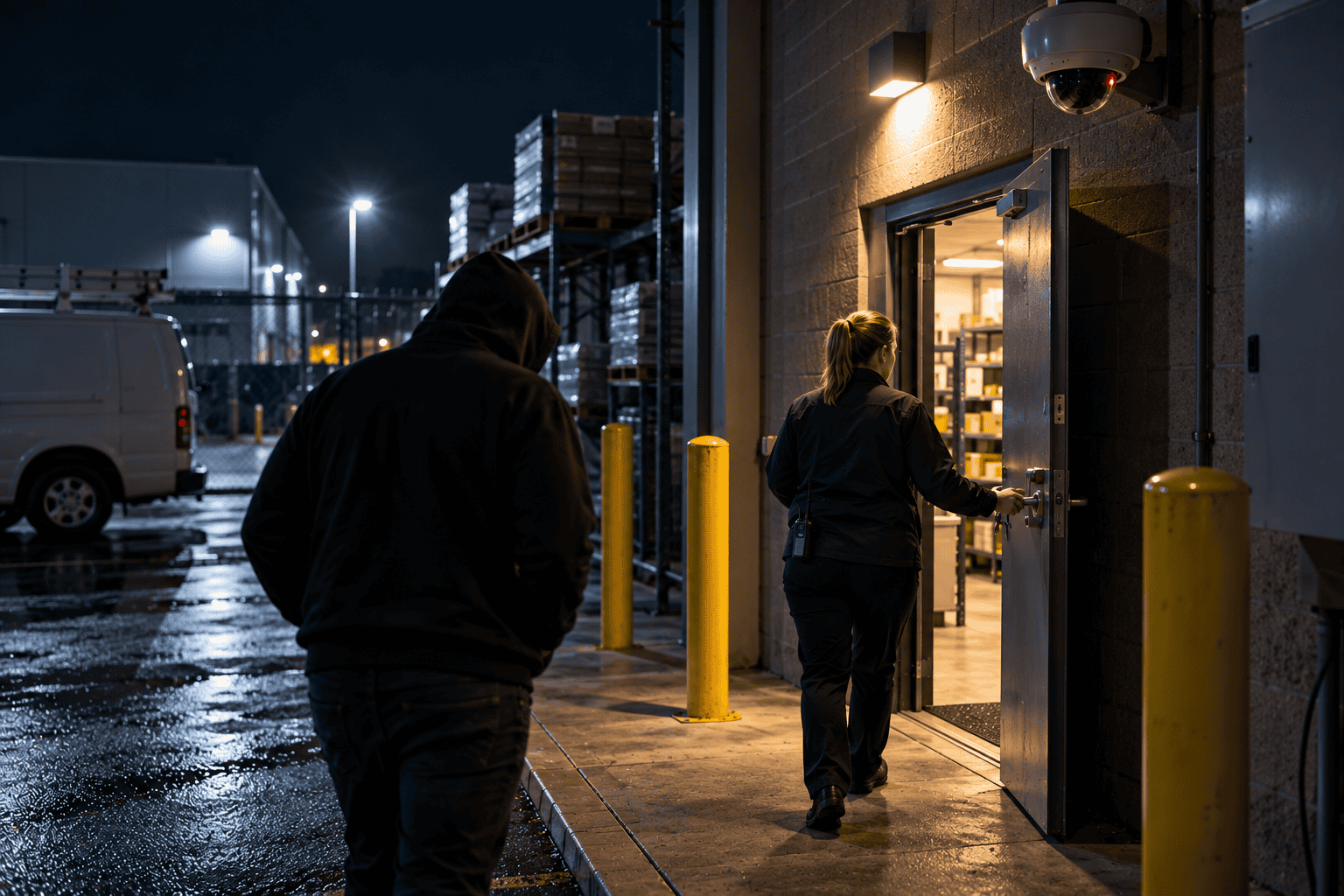
A forced re-entry robbery does not rely on defeating a lock, cutting power, or breaking a window. It relies on timing. Someone watches a location long enough to know when an employee opens the building in the morning or steps out to lock up at night, then positions themselves to push through the door during that brief window when it is unlocked and someone is standing in it.
Because the door is opened by an authorized person rather than forced open by the offender, this kind of incident can bypass alarm systems entirely and leave no sign of forced entry on the building itself.
Why This Threat Is Different From a Break-In
A break-in targets an empty, secured building. A forced re-entry targets a person. That distinction changes everything about how a business needs to prepare. Reinforced doors and alarm systems are built to resist someone breaking into a locked building. They offer very little protection against someone who simply walks in through a door an employee has just opened.
This is also why the threat concentrates so heavily around opening and closing procedures. Those are the only two points in a normal business day when a door is unlocked with limited staff present and no customers around to serve as witnesses.
How Video Monitoring Prevents It
Visible Deterrence Before It Starts
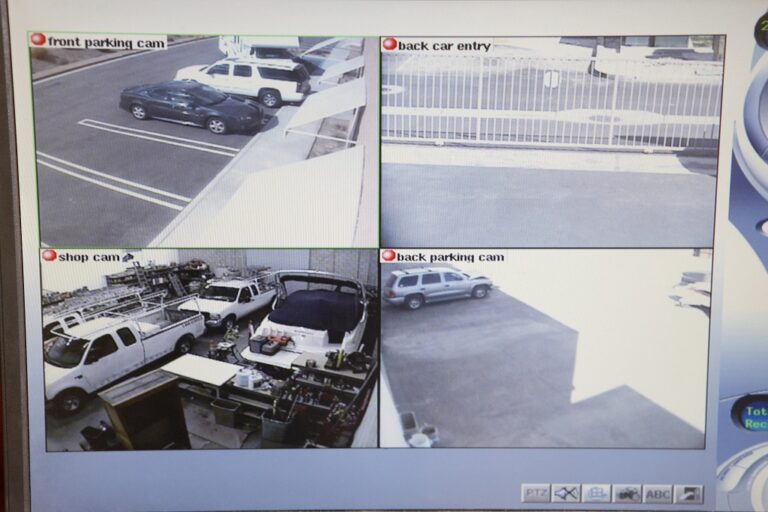
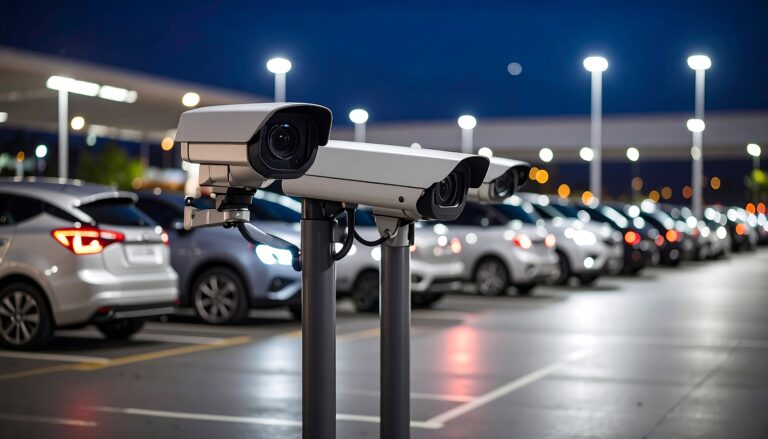
Someone planning to target an opening or closing employee typically watches a property first. Clearly visible cameras at every entrance, combined with signage indicating active monitoring, make a location a noticeably less attractive target than one with no visible coverage at all.
Real-Time Detection at the Door
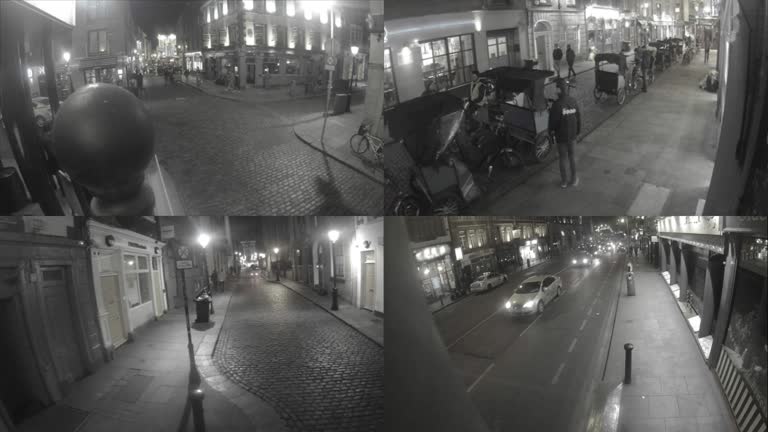
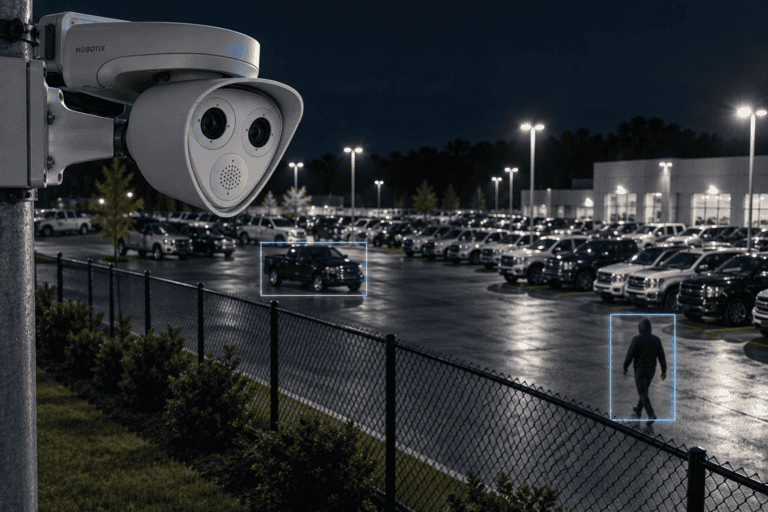
AI-powered surveillance can detect a second person entering directly behind an employee or loitering near a door outside of normal hours, flagging the event to a monitoring operator the instant it happens rather than after a review of the day’s footage.
Live Audio Intervention
Once an alert is verified, a monitoring operator can speak directly through the camera, letting anyone on the property know they are being watched and that law enforcement has been notified. We walk through this process in full in how monitoring centers respond during a forced re-entry situation.
Coordinated Law Enforcement Response
A live monitoring operator can provide police with a real-time description and exact location, which typically produces a faster and more accurate response than a call placed by an employee who is still in the middle of the incident.
What Employees Can Do to Reduce Risk
Technology works best alongside sound procedure. Opening and closing in pairs rather than alone removes much of the vulnerability a forced re-entry depends on. Scanning the immediate area around a door before unlocking it, and staggering exit times so a single employee is not the last and only person visible outside, both reduce the predictability that makes this kind of incident possible in the first place.
What to Look for in an After-Hours Protection Plan
- Camera coverage tight enough to see who enters directly behind an employee.
- Live monitoring active specifically during opening and closing hours.
- Two-way audio capability at every entrance employees use alone.
- A written procedure for opening and closing that avoids single-employee exposure.
- A monitoring provider with a clear, documented response process, not just recording capability.
Prevention Starts Before the Door Ever Opens
Forced re-entry robberies succeed because they exploit a routine, predictable moment that most security plans overlook. Visible deterrence, real-time detection, and a monitoring team ready to intervene the instant something looks wrong close that gap before it becomes an incident, rather than simply documenting one after the fact.
Vulcan builds after-hours protection around the moments that put employees most at risk. We will walk your property and show you exactly where those moments are.
Frequently Asked Questions
What is a forced re-entry robbery?
It is a robbery where someone forces their way into a business through a door an employee has just unlocked or opened, rather than breaking into a secured, locked building.
Why do forced re-entry robberies happen mostly at opening and closing?
Those are the only times a door is unlocked while staff levels are low and there are typically no customers present to serve as witnesses, which creates the exact window this type of incident depends on.
Can an alarm system prevent a forced re-entry robbery?
Not on its own. Alarm systems are designed to detect unauthorized entry into a locked building, but a forced re-entry happens through a door an authorized employee has opened, which does not trigger a standard alarm.
Does opening or closing in pairs actually reduce risk?
Yes. It removes the isolation a forced re-entry depends on and gives employees a second set of eyes on the surrounding area before a door is unlocked.
How does video monitoring specifically prevent this, rather than just recording it?
Live monitoring combined with AI detection flags the event as it happens, allowing an operator to intervene with audio and contact law enforcement in real time, instead of only producing footage to review afterward.